
REVIEW · MUSCAT CITY TOURS
Historical Salalah City Tour
Salalah mixes faith, frankincense, and fruit. This half-day tour gives you a useful first look at Dhofar’s main city, from Sultan Qaboos Mosque and Al Baleed to Al Hosn Souq and the coconut stalls. I especially like the local English-speaking guide and the chance to connect Salalah’s history with its everyday markets. I also like the comfortable newer vehicles, which matter when you are moving between scattered sights.
The main caution is the timing. The advertised route can feel brisk, and one recent experience lasted about two and a half hours of touring, plus roughly an hour for hotel transfers. At $104 per person, the value depends heavily on how much explanation and time your guide provides at each stop.
In This Review
- Key points to know before booking
- What this Salalah tour is really designed to do
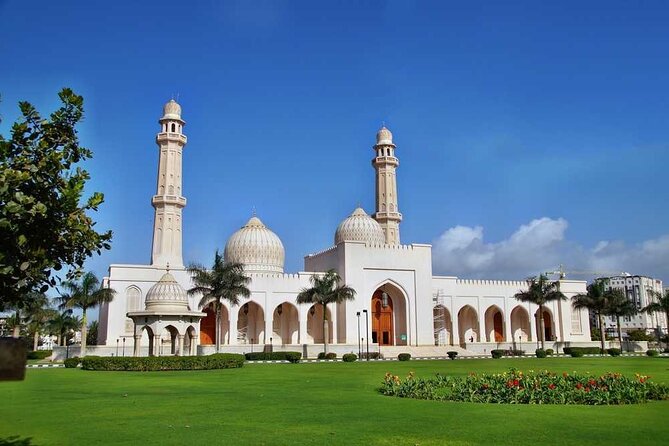
- Sultan Qaboos Mosque and the practical dress rules
- Sultan Qaboos Palace and the city’s royal setting
- Al Hosn Souq and the smell of frankincense
- Al Baleed and the Museum of the Land of Frankincense
- Fruit plantations, coconut drinks, and everyday Salalah
- Guides, vehicles, and the shape of the service
- Is $104 per person fair value?
- Who should choose this half-day route?
- Should you book the Historical Salalah City Tour?
- FAQ
- How long is the Historical Salalah City Tour?
- What language is the tour offered in?
- How much does the tour cost?
- Is Sultan Qaboos Mosque open every day?
- What should women wear to the mosque?
- Are shorts allowed at Sultan Qaboos Mosque?
- Can you enter Sultan Qaboos Palace?
- What can you see at Al Hosn Souq?
- Is a drink included?
- Can you cancel for a full refund?
Key points to know before booking
- Sultan Qaboos Mosque is time-sensitive: It is open to non-worshipping visitors from Saturday to Thursday, 8:30 to 11:00, and closed on Fridays.
- Dress rules are strict: Women need a scarf, long sleeves, and long pants. Shorts, short skirts, tight clothing, and see-through clothes are not allowed.
- Al Baleed connects Salalah to the frankincense trade: The archaeological site and Museum of the Land of Frankincense provide the strongest historical part of the tour.
- Al Hosn Souq is a shopping stop with local character: You can browse frankincense, handmade gifts, and other traditional goods.
- The route includes a coconut drink: A free drink at the fruit market adds a small but pleasant taste of local life.
- Guide quality shapes the day: Guides named Salem, Amin, and Rashid have been praised for clear English, patience, and strong knowledge of Salalah.
What this Salalah tour is really designed to do
This is not a long, specialist history excursion. It is a city orientation with several cultural stops, a few photo opportunities, and a taste of Salalah’s daily life. You move by vehicle between the mosque, palace area, market, museum, beach and plantation districts.
That format works well if you have only one day in Salalah or want someone else to handle the route. Salalah’s sights are spread out, so a guided drive saves you from piecing together the city on your own. You also get context for places that can seem disconnected when visited without explanation.
The tour is sold as half-day, but the exact amount of time spent sightseeing may vary. A detailed account described about two and a half hours at the stops, followed by around an hour of driving to and from the hotel. That is worth clarifying before you book, especially if you expect a full morning with long museum visits and relaxed shopping.
The experience is conducted in English. The strongest guide reports describe clear explanations, good answers to questions, and a friendly manner. That personal side matters here because much of the value comes from interpretation, not just transportation.
More History Tours in Salalah
- Salalah City Tour with History, Culture, Souq Shopping, Halwa
★ 4.5 · 39 reviews - Historical Salalah City Tour with Culture, Food & Shopping
★ 4.6 · 20 reviews - East Salalah Highlights: Half-Day Heritage & Scenic Countryside
★ 5.0 · 13 reviews
Sultan Qaboos Mosque and the practical dress rules
The mosque is usually the first major stop, and it gives you an early look at Oman’s religious traditions and local customs. Your guide is expected to explain how prayer works and provide background on the mosque and Islamic practice.
This stop has a narrow visiting window. It is open from Saturday through Thursday between 8:30 and 11:00, and it is closed on Fridays. If your pickup time or route does not allow you to arrive within that period, the mosque visit may not work as described.
Dress for this stop before leaving your hotel. Women need a scarf, a long-sleeved shirt, and long pants. Men and women must avoid shorts, short skirts, tight clothing, and see-through clothing. The instructions are not casual suggestions, so do not count on being admitted in an outfit that only partly follows the rules.
I would pack the scarf in your day bag even if you are not sure you will need it. It is easier than trying to find one at the last minute. Modest clothing also keeps the rest of the day simple, since you can visit the mosque, palace area, market, and museum without changing clothes.
The mosque visit may include some free time after the guide’s explanation. That can be useful if you want to look carefully at the building, take permitted photographs, or simply observe the setting. If you prefer a detailed architectural talk, ask questions early. The quality of this stop depends on how much your guide explains rather than on the stop itself.
Sultan Qaboos Palace and the city’s royal setting
The route continues past Sultan Qaboos Palace, where Sultan Qaboos was born in 1940. The palace is viewed from outside, so this is a photo stop rather than an interior visit.
Your guide may explain the ruler, his successor, and the royal emblem. That small amount of background helps place modern Oman in context. Sultan Qaboos played a central role in the country’s modern development, and the palace gives the city tour a clear link to that recent national story.
Keep your expectations in check. You will not tour the palace rooms or grounds. The appeal is the setting, the exterior view, and the chance to pause for photographs while hearing about Oman’s leadership.
The route also passes Al Hosn Palace and Al-Nahdhah Tower. These drive-by sights add to the city picture, but they are not separate, extended visits. If you want time at every landmark, the half-day schedule may feel compressed.
Al Hosn Souq and the smell of frankincense
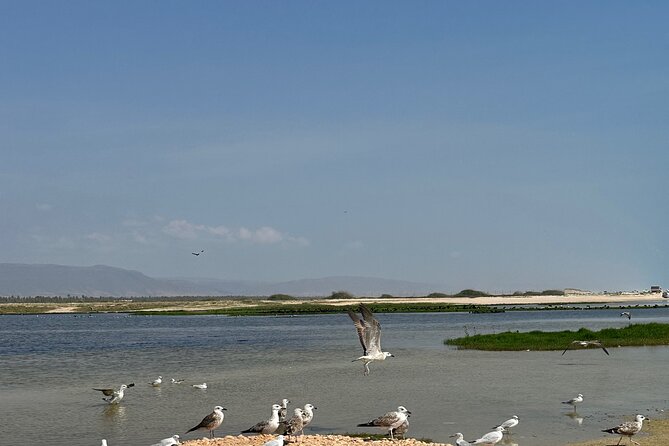
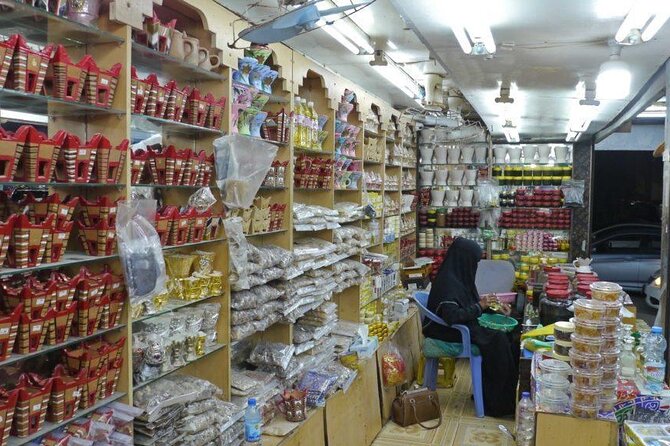
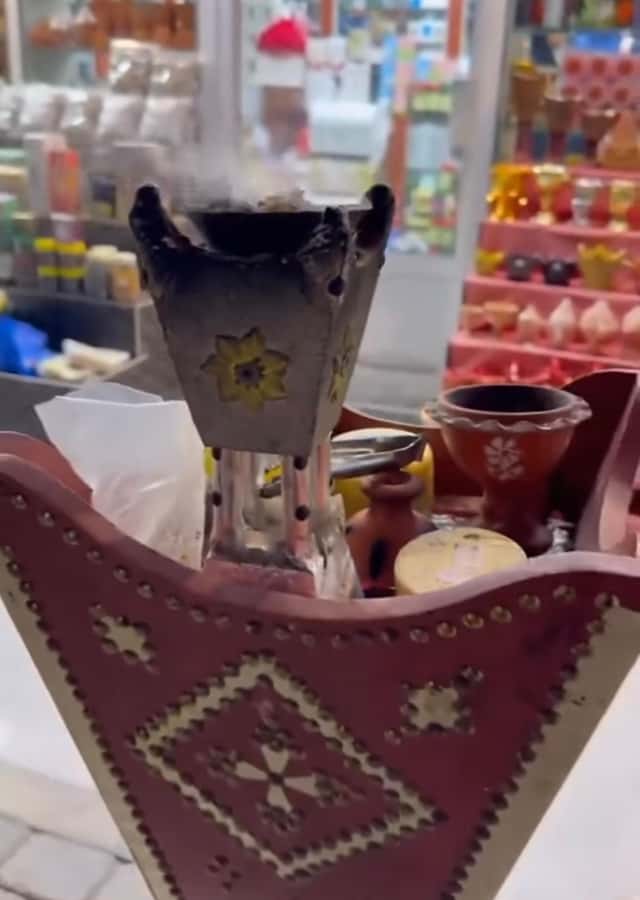
Al Hosn Souq, also called Haffa Souq in the tour description, is one of the more characterful stops. It is described as Salalah’s oldest local market for frankincense and handmade gifts. Here you can look at the resin that made Dhofar famous and see how a historic trade remains part of the city’s commercial life.
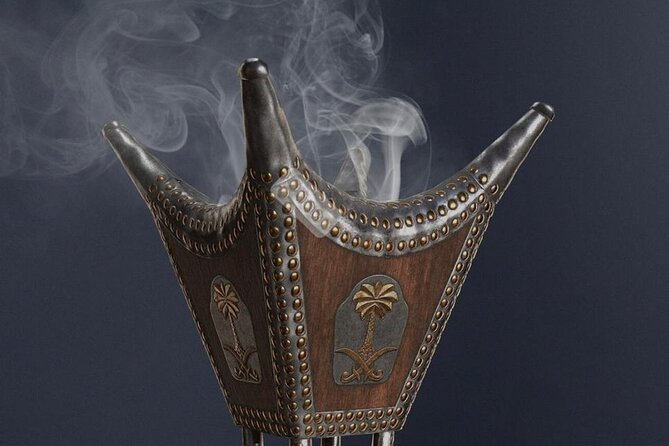
Frankincense is more than a souvenir in Salalah. Dhofar has long been linked with its production and trade, and the scent appears in homes, religious settings, and shops across Oman. The market gives you a chance to see different products and ask what they are used for.
You may also receive tea during the market visit. That small pause makes the stop feel less like a quick retail visit and more like a chance to sit, look around, and ask questions. Still, remember that markets are shopping environments. If you do not want to buy, you can browse politely and take your time.
The free time here may be around 15 to 20 minutes, depending on the guide and the day. That is enough for a quick look and a few purchases, but not necessarily enough for a slow comparison of every stall. Ask your guide about prices, types of frankincense, and local gifts if you want the stop to be more informative.
The market is also where guide service matters. A good guide can explain the difference between the products and point out what is genuinely local. Without that help, you may simply see rows of resin, perfumes, burners, and crafts without understanding their place in Omani life.
More things to do in Salalah:
- East Salalah Mountain Safari, Wadi Darbat, Beach, Camels, Dunes
★ 5.0 · 206 reviews - Salalah: Wadi Darbat, Jabal Samhan, Baobab, Mirbat Sand Dune
★ 4.6 · 178 reviews - Mountain Safari Private Tour
★ 5.0 · 105 reviews - Sunset Desert Safari Salalah Tour in Rub Al Khali – Empty Quarter
★ 5.0 · 91 reviews
Al Baleed and the Museum of the Land of Frankincense
For historical depth, Al Baleed is the key stop. The archaeological site is part of the UNESCO-listed Land of Frankincense, and the museum explains how Oman developed through trade, seafaring, religion, and changing political eras.
The Museum of the Land of Frankincense is especially useful after the souq. At the market, you see frankincense as a product. At Al Baleed, you learn why it mattered. The guide is expected to explain the difference between older Oman and the modern country, helping you connect the ruins and displays with the city you are seeing today.
You will have time to explore the museum on your own, but the amount of free time may be limited. One account describes a short period of independent viewing before the return journey. If you enjoy reading every display, you may want to tell the guide that you need extra time.
That point is important because the museum can easily become the most valuable part of the tour for history-minded visitors. The stop is not just another building on a route. It gives you a framework for understanding Dhofar’s old trading role and why frankincense remains so closely tied to Salalah.
The archaeological site and museum also provide a change of pace. After the mosque and market, you get a quieter cultural stop with more room for reflection. Wear practical shoes if you expect to walk around the site, although the supplied details do not specify how much walking is included.
Fruit plantations, coconut drinks, and everyday Salalah
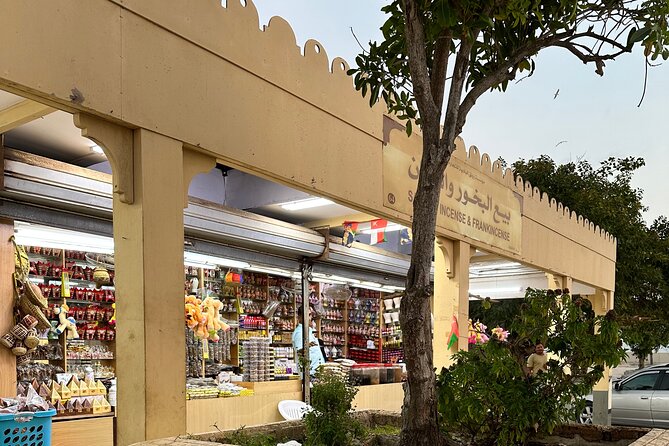
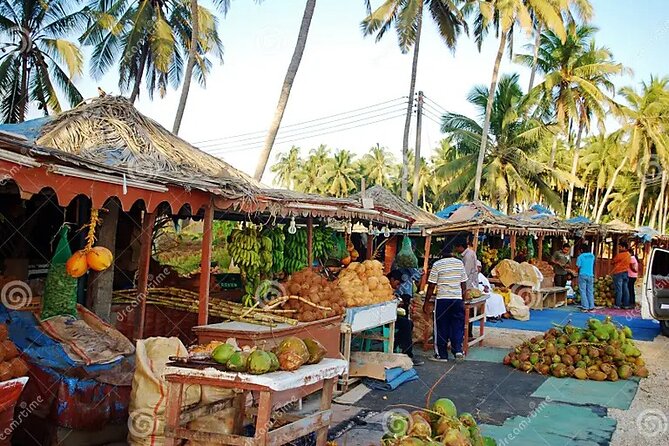
Salalah is known as the perfume capital of Arabia, but the city is also closely tied to fruit plantations. Toward the end of the tour, the vehicle passes plantation areas and fruit shops, including the Ain Razat area in the route description.
This part shows a side of Salalah that a museum cannot. You see how the city’s warm climate supports coconuts and other fruit, and you get a better sense of local commerce beyond the central markets. The route may include views of plantations rather than a long farm visit, so think of it as a scenic drive and local-life stop.
The tour includes a free coconut drink at the Salalah fruit market. It is a modest extra, but a good one. You get to try something associated with the region instead of spending the entire day looking at monuments.
The coconut stop has received mixed treatment in the experience details. For some people, it is a fun and simple local taste. For others, the setting may feel basic, especially if the stop is informal. I would treat it as a quick refreshment, not as a polished tasting experience.
The route also mentions Al Haffa Beach and the central market. These may be viewed as part of the city drive or included as brief stops, depending on the schedule. Ask your guide at the start which locations will receive walking time and which will be viewed from the vehicle.
Guides, vehicles, and the shape of the service
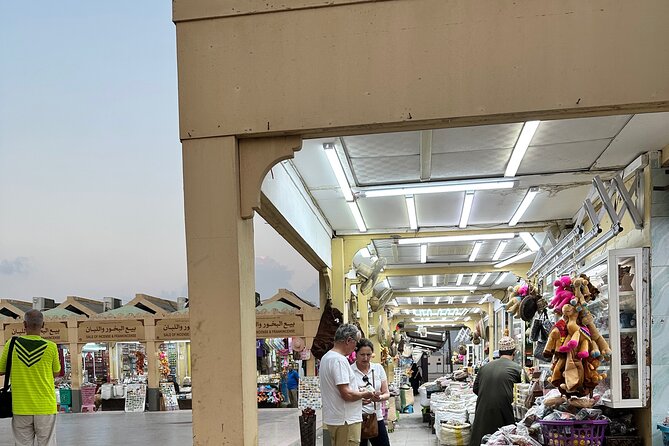
The tour promises an experienced English-speaking local guide and newer vehicle models with comfort features. That combination is useful in Salalah, where several of the sights are separated by stretches of road.
The best guide experiences described here are personal and clear. Amin is from Salalah and is praised for explaining each area carefully. Salem is described as well prepared and courteous, while Rashid is praised for answering questions and allowing time at the main stops.
Guide names can change, so you should not assume you will receive one particular person. Still, these examples show what good service looks like on this route: strong English, local familiarity, patience, and explanations that go beyond naming a building.
The vehicle is mainly a practical tool, but comfort still matters. You will use it for transfers between the mosque, palace, souq, museum, plantations, and your hotel. A newer model can make the day easier, particularly if the weather is warm or you are carrying shopping bags.
There is some risk of uneven pacing. One experience described a guide giving brief explanations, leaving free time, and then pushing for the return journey before the museum visit felt complete. That does not mean every departure follows that pattern, but it is a useful warning: tell your guide which stop matters most to you.
Is $104 per person fair value?
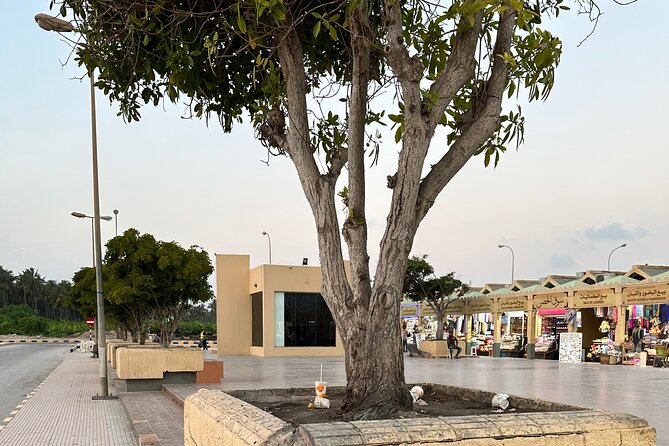
At $104 per person, this is not a bargain city bus tour. You are paying for a guide, vehicle, hotel transport, several stops, and the convenience of having the route arranged.
The price makes the most sense if you value local explanation and easy transport. Salalah’s historic, religious, market, and plantation stops are not all in one compact center. A guided vehicle lets you cover more ground in a short period and gives you a person to answer questions.
The value is weaker if you mainly want quick photo stops. You may spend only a short time at some locations, and the palace is viewed from outside. If you are comfortable arranging your own transport and reading museum displays independently, you may prefer a slower, more flexible plan.
I would book it when I have limited time, want an English-speaking guide, and care about seeing both cultural sites and ordinary city life. I would think twice if I want a long museum visit, extended shopping, or a fully packed half-day with no idle time.
The overall rating is 4.7 from 22 ratings, which fits the pattern here: very strong praise for the route and guides, with one serious complaint about short explanations, a basic coconut stop, and value for money. The lesson is simple. The itinerary is promising, but the guide makes the difference.
Who should choose this half-day route?
This tour suits first-time visitors who want an introduction to Salalah without spending a full day on the road. It is also a good fit for anyone interested in frankincense, Omani religion, modern royal history, and local food products.
You will likely appreciate it if you prefer a guide to explain customs at the mosque and connect the souq with the museum. The route also works for people who want a comfortable vehicle and a planned schedule rather than a do-it-yourself day.
It may not suit you if you need a slow pace. The listed stops are numerous, and some may receive only a short visit. Museum lovers should ask in advance for enough time at Al Baleed, while shoppers should confirm how long they will have at Al Hosn Souq.
Book with realistic expectations. This is a broad introduction to Salalah, not a private research tour or a full archaeological study.
Should you book the Historical Salalah City Tour?
I would book this tour if you want a well-rounded first look at Salalah and value a local English-speaking guide. The strongest parts are the mosque, Al Baleed Museum, frank incense market, and the chance to see plantations and fruit shops in one outing.
Before paying, confirm the pickup time, the exact sightseeing duration, and whether the mosque visit fits the Saturday to Thursday morning opening period. Bring the required clothing, and tell the guide whether the souq or museum matters most to you.
At $104, the tour earns its price through convenience and interpretation. If the guide gives the thoughtful service associated with Amin, Salem, or Rashid, it can be a very useful introduction. If you want maximum independence and long visits at each stop, arrange a slower alternative.
FAQ
How long is the Historical Salalah City Tour?
It is advertised as a half-day city tour. One detailed experience lasted about two and a half hours at the stops, plus roughly one hour for hotel transfers.
What language is the tour offered in?
The tour is offered in English with a local English-speaking guide.
How much does the tour cost?
The listed price is $104 per person.
Is Sultan Qaboos Mosque open every day?
No. It is open from Saturday to Thursday from 8:30 to 11:00 and is closed on Fridays.
What should women wear to the mosque?
Women should bring a scarf and wear a long-sleeved shirt with long pants.
Are shorts allowed at Sultan Qaboos Mosque?
No. Shorts, short skirts, tight clothing, and see-through clothing are not allowed.
Can you enter Sultan Qaboos Palace?
No. The palace is visited from outside as a photo stop.
What can you see at Al Hosn Souq?
You can browse frankincense products and local handmade gifts at this historic market.
Is a drink included?
Yes. The tour includes a free coconut drink at the Salalah fruit market.
Can you cancel for a full refund?
Yes. You can cancel up to 24 hours in advance for a full refund.
More Muscat City Tours
- West Salalah Tour – Caribbean of Orient – Fazayah Beach with City
★ 5.0 · 74 reviews - West Salalah: Caribbean of the Orient Fazayah Beaches & City
★ 4.5 · 60 reviews - Salalah City Tour: Discover the Best of Oman’s Coastal Gem
★ 4.8 · 58 reviews - Ultimate Tour – Salalah city highlights
★ 5.0 · 22 reviews
Just added in Salalah
- West of Salalah private tour – fascinating mountains and beaches★ 5.0 · 9 reviews
- Salalah White Beaches & Panoramic Views of sea (Full Day Tour)★ 5.0 · 1 review
- West Salalah Tour by VisitSalalah★ 5.0 · 6 reviews
- West Salalah Beaches and Blowholes★ 5.0 · 7 reviews
- Where Sea Meets Rock: A Scenic Journey to West Salalah’s Shores★ 5.0 · 5 reviews
- Explore Samhan Mountain – Half-Day Getaway with Lunch Included.★ 5.0 · 10 reviews
- Private tour – Empty Quarter desert adventure – Wadi Dawka + Ubar★ 5.0 · 5 reviews
- Salalah East & West Combination★ 5.0 · 2 reviews
Muscat City Tours, compared.
Half-Day Sightseeing Essentials Tour and Audio Guide
Read our review →
Half-Day Private Muscat City Tour – Top Landmarks in Just 4 Hours
Read our review →
Private Muscat City Tour With Pick-up/ Drop-off
Read our review →
4 hours private Tour of Muscat City with Pick-up
Read our review →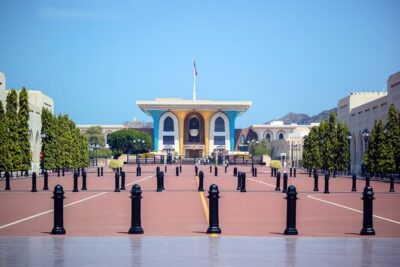
Browse the lists this tour appears in