
REVIEW · SALALAH TOURS
Salalah East & West Combination
See Salalah’s story in one long day. This private tour links fishing villages, frankincense ports, mountain springs, sacred sites, and beaches, giving you a useful first look at Dhofar beyond the city center. I especially like the hotel pickup and the chance to travel with your own guide, and the route offers two things Salalah does very well: old trading sites and striking coastal scenery. The main drawback is the pace. With eight major stops packed into seven to eight hours, some visits will feel brief.
I also like the price for a small group. At $430 for up to four people, the cost works out to $107.50 per person when four people share it, including private transport, a driver-guide, water, taxes, and listed site fees. You should expect a full day in the vehicle, though, with limited time for lingering at each place.
In This Review
- Key points to know before booking
- Why this route works for a first Salalah day
- Taqah brings Dhofari life into view
- Taqah Castle and the former Wali’s residence
- Sumhuram reveals the old frankincense trade
- Mirbat and the Bin Ali Tomb
- Ayn Razat adds water and shade to the day
- Qara Mountain roads and rural Dhofar
- Nabi Ayoub’s Tomb in the green mountains
- Mughsail Beach, blow holes, and frankincense trees
- What the private price includes
- Timing, comfort, and who should book
- What the praise tells you about the guiding
- Should you book the Salalah East and West Combination?
- FAQ
- How much does the Salalah East and West Combination cost?
- How long does the tour last?
- Is hotel pickup included?
- Is this a private tour?
- What sites are included?
- Are entrance fees included?
- Is bottled water provided?
- Can cruise ship passengers book this tour?
- What is the cancellation policy?
Key points to know before booking
- Eight varied stops in one day: You move from Taqah’s old houses to Sumhuram’s ruins, Mirbat, mountain springs, Prophet Job’s tomb, and Mughsail Beach.
- A private group of up to four: Your party receives private transport and does not share the activity with other groups.
- Frankincense shapes the route: Sumhuram, the old trading port, and the frankincense trees near Mughsail connect the scenery to Dhofar’s ancient trade.
- A guide adds cultural context: The guide explains local customs, places, animals, and the area’s past. Ali received especially warm praise for his friendly manner and English.
- The tour covers long distances: Plan on seven to eight hours, with several scenic drives between stops.
- Useful for cruise passengers: Port pickup and drop-off are offered, but you must provide your ship and timing details when booking.
Why this route works for a first Salalah day
Salalah is not a city you understand from one landmark. Its appeal comes from the way several parts fit together: the sea, the Qara Mountains, old Dhofari settlements, springs, frankincense, and stories connected with Islam and the ancient trade routes.
This east and west route gives you that broad picture in a single day. You begin near Taqah and Mirbat, follow the old frankincense corridor, then cross back toward western Salalah for mountain views and the coast. I like that structure because you are not spending the whole day looking at similar ruins or beaches.
The private format matters here. You can ask the guide to explain a local custom, pause for a photograph, or clarify the story behind a place without trying to keep up with a large bus group. The tour is still tightly scheduled, but a private vehicle usually makes a long day easier to manage.
The trade-off is clear: this is a highlights tour, not a slow cultural visit. The listed stops are generally given about one hour each, and some are described as photo stops. If you want long walks, an extended beach visit, or detailed time inside every site, you may find the schedule too tight.
More things to do in Salalah:
- East Salalah Mountain Safari, Wadi Darbat, Beach, Camels, Dunes
★ 5.0 · 206 reviews - Salalah: Wadi Darbat, Jabal Samhan, Baobab, Mirbat Sand Dune
★ 4.6 · 178 reviews - Mountain Safari Private Tour
★ 5.0 · 105 reviews
Taqah brings Dhofari life into view
The morning begins in Taqah, an old fishing village known for dried sardines and traditional Dhofari houses. This is a useful opening because it shows everyday coastal life before the tour turns to royal administration and ancient trade.
The dried sardines are more than a food detail. Fishing has long shaped the coastal communities of Dhofar, and the village gives you a better sense of local work and older building styles than a polished modern district would. You may find the visit most rewarding if you pay attention to the houses and ask the guide how the village fits into the region.
The stop is listed as free, with about an hour allowed. You should wear comfortable shoes and bring water, although bottled water is included. As with several parts of this day, the value comes from the setting and explanation rather than from a long formal presentation.
Taqah Castle and the former Wali’s residence
From the village, you visit Taqah Castle, a century-old building that once served as the official home of the Wali, or governor, of the region. The castle gives the day a different angle: Taqah was not only a fishing community, but also part of Dhofar’s local government system.
The admission fee is included, and about an hour is scheduled. I like having this stop early in the day because it adds structure to what you see in the village. The guide can help connect the building to the authority and administration that once shaped the area.
Do not expect a huge palace complex. The appeal is its scale, age, and local setting. If you are most interested in grand royal architecture, the visit may feel modest. If you want a closer look at regional Omani life, it earns its place on the route.
Sumhuram reveals the old frankincense trade
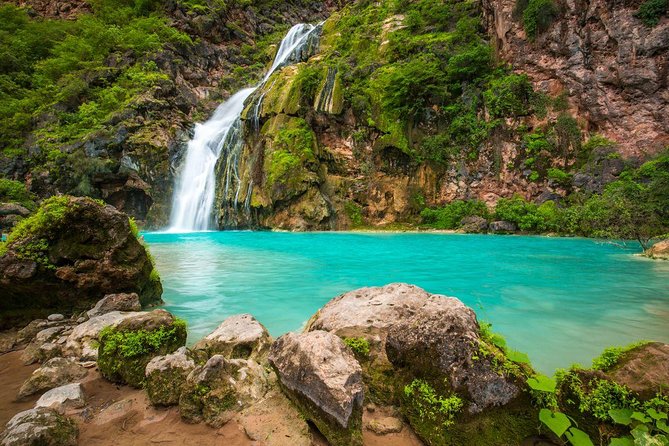
The ancient city of Sumhuram, also called Khor Rohri, is one of the key stops. Its ruins sit beside Khor Rori, a natural harbor that served the coast of Dhofar and linked the region to the ancient frankincense trade.
Sumhuram was connected with the Hadramawt Kingdom and lay on trade routes running between the Mediterranean, the Persian Gulf, and India. That makes the site more than a collection of old stones. It helps explain why Dhofar mattered far beyond southern Oman.
Frankincense was the economic force behind this port. The fragrant resin from trees in southern Oman was shipped through coastal ports and carried across major trade routes. At Sumhuram, I would focus on the relationship between the ruins and the harbor. The position beside Khor Rohri helps you picture why people built a trading settlement here.
The site is recognized as part of a UNESCO World Heritage designation, and admission is included. About an hour is planned. That is enough for an introduction and photographs, but not necessarily enough for an unhurried archaeological visit. Ask your guide to point out the most important remains and explain how the port functioned.
A completely different kind of day:
- Sunset Desert Safari Salalah Tour in Rub Al Khali – Empty Quarter
★ 5.0 · 91 reviews - Salalah: Sunset Desert Safari – Rub Al Khali – Empty Quarter
★ 4.6 · 79 reviews - West Salalah Tour – Caribbean of Orient – Fazayah Beach with City
★ 5.0 · 74 reviews - West Salalah: Caribbean of the Orient Fazayah Beaches & City
★ 4.5 · 60 reviews
Mirbat and the Bin Ali Tomb
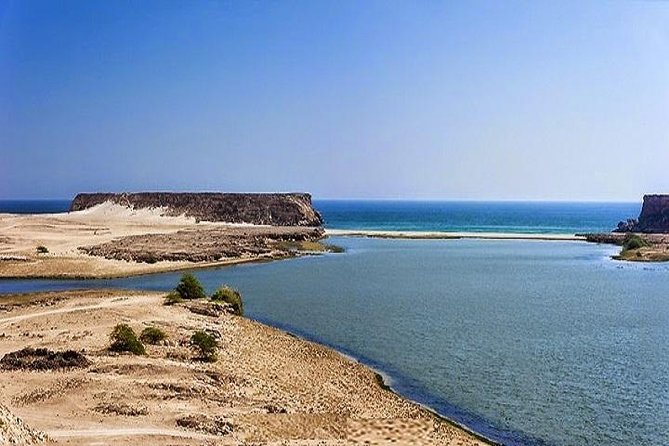
The road then leads to Mirbat, once the old capital of Dhofar and an early point on the frankincense route. The town is known for old Omani mud houses, and a walk through its streets gives you another view of traditional construction and coastal settlement.
Mirbat differs from Sumhuram. Sumhuram presents a much older trading center through ruins, while Mirbat offers a more recent town with buildings that still help you imagine earlier local life. The stop is free and allows about an hour, though the exact amount of walking may depend on the day’s timing.
The itinerary also includes a photo stop at the twin-domed Bin Ali Tomb. Its paired domes are a distinctive example of medieval Islamic architecture, and the building makes a strong subject for photographs.
Since this is a photo stop, do not plan on a long interior visit. I see it as a short architectural pause between larger stops. It is worthwhile for the design and setting, but visitors who want detailed religious or architectural study should ask the guide how much time is available.
Ayn Razat adds water and shade to the day
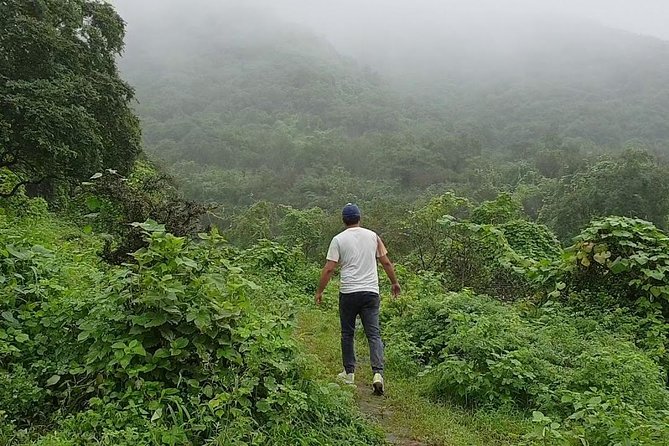
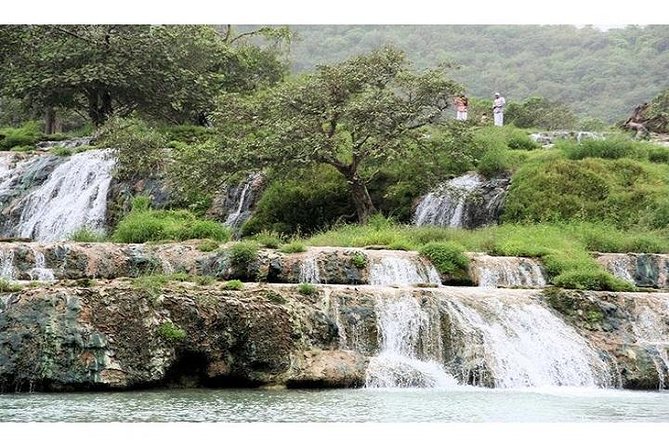
On the return toward western Salalah, the route reaches Ayn Razat, a natural spring area set among the mountains. Underground spring water feeds the site throughout the year, and the grounds are described as being laid out in a calm, green setting.
After dry coastal roads and archaeological ruins, this change is welcome. The spring shows how water shapes life in Dhofar and why certain valleys became important places for settlement and farming. The stop is free, with about an hour scheduled.
Ayn Razat is also a good reminder that Salalah’s scenery changes sharply by season and location. The area can feel very different from the open coast and rocky valleys near Mughsail. I would use this stop for a slower walk, photographs, and a short break, while keeping an eye on the clock.
Qara Mountain roads and rural Dhofar
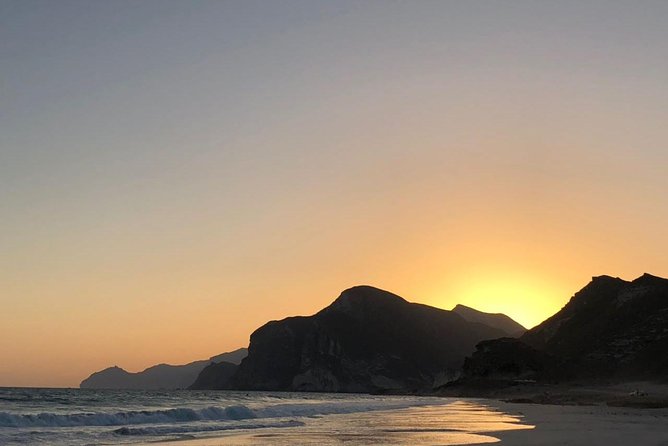
The western section climbs toward the Qara Mountains. The road winds up a steep incline, and the view opens onto rural Dhofari scenes, including herds of camels and cattle.
This part of the tour is less about entering a single attraction and more about seeing the countryside from the road and at viewpoints. The animals are a memorable part of the experience, especially if you have not visited the Arabian Peninsula before. The guide can also help explain how the mountain area relates to life around Salalah.
The road itself is part of the experience, but it also adds travel time. If you are prone to motion sickness, it may be worth preparing before the climb. The route description does not promise a long hike, so this should suit you if you prefer scenic drives with short stops rather than strenuous outdoor activity.
Nabi Ayoub’s Tomb in the green mountains
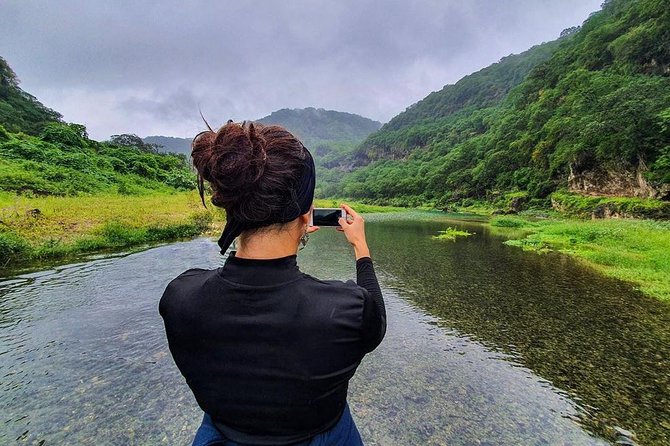
The tour continues to the tomb of Prophet Job, known locally as Nabi Ayoub’s Tomb, in the mountains above the Salalah Plains. The site connects the region’s physical setting with a well-known religious story about Prophet Job and his devotion.
This is a place to approach with respect. It is not simply another viewpoint or historic building. The tomb has religious importance, and your guide provides the story and local context that make the stop more meaningful.
Admission is included, and approximately one hour is allowed. Modest clothing and considerate behavior are sensible at a religious site. The itinerary does not give detailed dress rules, so ask your guide if you are unsure.
The mountain setting adds to the visit. After seeing castles, ports, and villages, you encounter a place valued for faith and tradition. That range is one of the strongest reasons to choose the full east and west route.
Mughsail Beach, blow holes, and frankincense trees
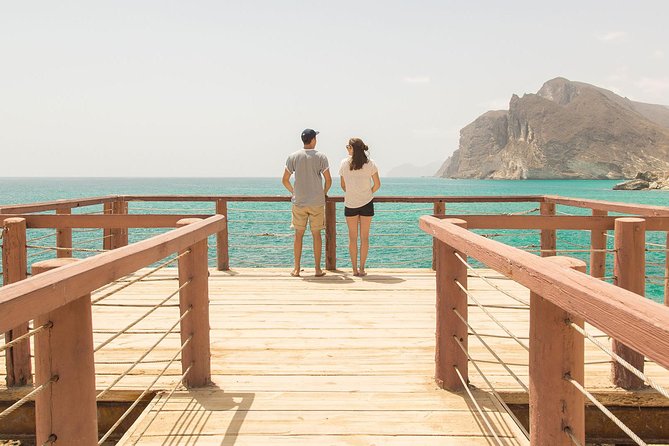
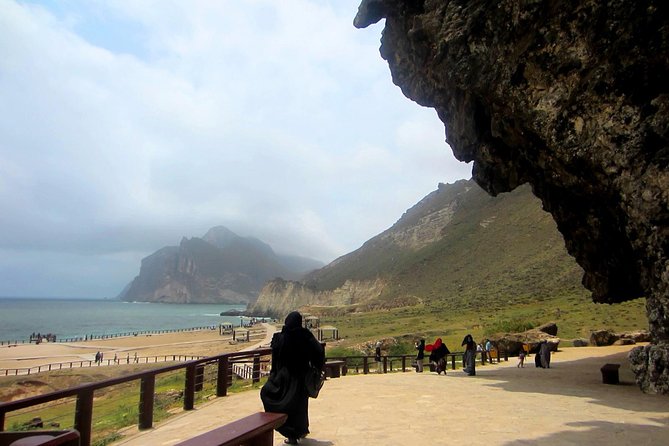
The final major section reaches Al Mughsail Beach, where white sand meets the deep blue sea. At high tide, waves can burst through natural blow holes in the rock, producing one of the more dramatic sights on the route.
Timing matters here. The blow holes are tied to the tide, so you may see more activity at high tide than at other times. The tour description does not provide exact tide planning, so you should not book this experience solely for a guaranteed display of spray.
The coast continues toward Oman’s western border, with high cliffs along the road. The route then reaches valleys where frankincense trees grow in their natural setting. A short walk lets you see the trees and smell the resin associated with Dhofar’s old trade.
This is one of the most important connections in the day. At Sumhuram, you see the port that helped move frankincense abroad. Near Mughsail, you see the trees that produced it. Together, the two stops give the ancient trade a clear beginning and end.
The return includes a photo stop at the Mughsail lagoon. Migratory birds, including flamingos on occasion, may appear there. The wording matters: flamingos are possible, not guaranteed. Treat the lagoon as a pleasant final pause rather than a set wildlife encounter.
What the private price includes
The total price is $430 per group of up to four people. For four people, that is $107.50 each. For two people, it becomes $215 per person, so the value improves sharply as your group gets closer to the four-person limit.
The price includes fuel surcharge, local taxes, national park fees, bottled water, a driver-guide, private transport, and hotel or port pickup and drop-off. You are paying not only for a vehicle, but also for a full day of transport across a wide route with site costs built in.
That is a fair setup for a small group that wants to see both sides of Salalah without arranging separate taxis. The value is weaker for a solo visitor or couple if the full $430 applies to the group. A larger group may need to confirm vehicle arrangements because the stated private capacity is up to four people.
A multilingual guide may be available for an additional charge. If you need a language other than the guide’s standard service, confirm the cost before paying.
Timing, comfort, and who should book
The tour lasts about seven to eight hours and begins in the morning. That length is unavoidable if you want Taqah, Sumhuram, Mirbat, Ayn Razat, the Qara Mountains, Nabi Ayoub’s Tomb, and Mughsail in one day.
You should expect regular movement between stops. Most listed visits allow about an hour, but the route includes scenic drives and several brief viewing points. Comfortable clothing, walking shoes, sun protection, and a phone or camera will serve you well.
A current valid passport is required on the day of travel. Children must be accompanied by an adult, and the child rate applies only when sharing with two paying adults. Most people can take part, though the mountain roads and walking sections are worth considering if mobility is a concern.
The tour suits you best if:
- You have one full day in Salalah.
- You want a private vehicle and guide.
- You are interested in both culture and scenery.
- You want to connect frankincense production with its old trading ports.
- You are visiting by cruise ship and need port transfers.
- You prefer seeing many major sights instead of spending a whole day at one place.
It may not suit you if you want a slow beach day, a long archaeological visit, or extended time in each village. This route favors variety and coverage.
What the praise tells you about the guiding
The two available five-star ratings highlight the human side of the tour. One account describes the guide as professional with good English. Another gives special praise to Ali, who made the day enjoyable while explaining local people, animals, and places.
That is useful because the route depends on interpretation. Taqah Castle and Sumhuram are more rewarding when someone explains their purpose. Nabi Ayoub’s Tomb needs cultural sensitivity and context. Even the camel and cattle sightings become more interesting when the guide can place them within rural Dhofar.
Guide quality can vary, and Ali may not be assigned to every booking. Still, the strong comments about professionalism, English, friendliness, and local explanation are encouraging. If guide language is important to you, ask about it before confirming.
The tour operator is Oman Day Tours. Confirmation is usually provided when you book, but bookings made within three days of departure may take up to 48 hours and remain subject to availability. Free cancellation is available until 24 hours before the start time. Changes or cancellations inside that window are not accepted for a refund.
Should you book the Salalah East and West Combination?
I would book this tour if you want the broadest possible introduction to Dhofar in one day. The route covers old villages, a castle, a UNESCO-listed archaeological area, a former capital, a religious site, mountain roads, springs, beaches, lagoons, and frankincense trees. Few single-day outings offer such a wide mix.
The best value comes when four people share the $430 group price. You also gain private pickup, a dedicated vehicle, water, and a guide who can explain the cultural links between the stops.
I would choose another plan if your priority is relaxed pacing. Eight stops in seven to eight hours means you will sample each place rather than settle in. For first-time visitors, cruise passengers, and small groups with limited time, that trade-off makes sense. For repeat visitors, a slower tour focused only on the east, west, or frankincense sites may be more satisfying.
FAQ
How much does the Salalah East and West Combination cost?
The tour costs $430 per private group of up to four people.
How long does the tour last?
The experience lasts approximately seven to eight hours and begins in the morning.
Is hotel pickup included?
Yes. Hotel pickup and drop-off are included, along with port pickup and drop-off.
Is this a private tour?
Yes. Only your group participates, and the private group capacity is up to four people.
What sites are included?
The route includes Taqah village, Taqah Castle, Sumhuram Old City, Mirbat, Bin Ali Tomb as a photo stop, Ayn Razat, the Qara Mountains, Nabi Ayoub’s Tomb, Al Mughsail Beach, the Mughsail lagoon, and frankincense trees near the western border.
Are entrance fees included?
Admission to Taqah Castle, Sumhuram Old City, and Nabi Ayoub’s Tomb is included. National park fees are also included.
Is bottled water provided?
Yes. Bottled water is included in the tour price.
Can cruise ship passengers book this tour?
Yes. Cruise ship passengers can book, but they must provide the ship name, docking time, disembarkation time, and re-boarding time when booking.
What is the cancellation policy?
You can cancel up to 24 hours before the experience starts for a full refund. Cancellations or changes made less than 24 hours before the start time are not accepted for a refund.
Just added in Salalah
- West of Salalah private tour – fascinating mountains and beaches★ 5.0 · 9 reviews
- Salalah White Beaches & Panoramic Views of sea (Full Day Tour)★ 5.0 · 1 review
- Where Sea Meets Rock: A Scenic Journey to West Salalah’s Shores★ 5.0 · 5 reviews
- West Salalah Tour by VisitSalalah★ 5.0 · 6 reviews
- West Salalah Beaches and Blowholes★ 5.0 · 7 reviews
- Explore Samhan Mountain – Half-Day Getaway with Lunch Included.★ 5.0 · 10 reviews
- Private tour – Empty Quarter desert adventure – Wadi Dawka + Ubar★ 5.0 · 5 reviews
- 5 Hours of Salalah City Best | Private Tour★ 5.0 · 13 reviews
Salalah Tours, compared.
East Salalah Mountain Safari, Wadi Darbat, Beach, Camels, Dunes
Read our review →
Wadi Darbat, Jabal Samhan, Baobab, Mirbat Sand Dune
Read our review →
Sunset Desert Safari Salalah Tour in Rub Al Khali – Empty Quarter
Read our review →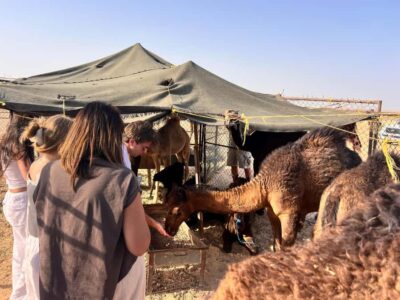
Sunset Desert Safari – Rub Al Khali – Empty Quarter
Read our review →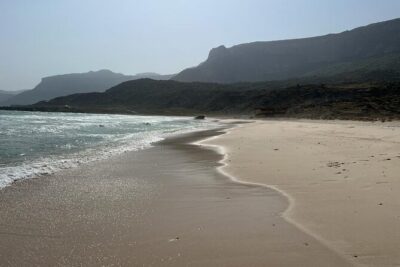
West Salalah Tour – Caribbean of Orient – Fazayah Beach with City
Read our review →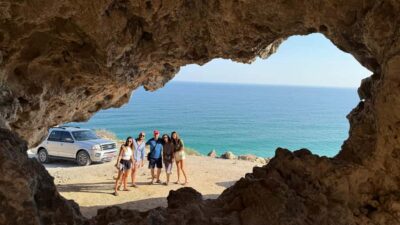
West Salalah: Caribbean of the Orient Fazayah Beaches & City
Read our review →
Salalah City Tour: Discover the Best of Oman’s Coastal Gem
Read our review →Browse the lists this tour appears in