
REVIEW · OMAN DESERT SAFARIS
Sunset Desert Safari Salalah Tour in Rub Al Khali – Empty Quarter
Sand, frankincense, and a vanished city make a memorable day. This Salalah excursion combines the Empty Quarter sunset with Wadi Dawkah’s frankincense trees and the ruins of Ubar, giving you far more than a simple desert drive. I like the clever route, which links three very different Dhofar sights, and I like the personal service associated with guide Mohammed Ali. The main drawback is the long road time, with about two hours each way to the desert.
The tour costs $95 per person and lasts roughly eight to nine hours. That is fair value if you want transport, a private 4×4, a guide, and several major sights in one day. You should, however, bring a hat and scarf, expect blowing sand, and remember that there is no mobile coverage once you reach the desert.
In This Review
- Key details worth knowing
- Why this Salalah desert day works so well
- Crossing the Al Qara Mountains from Salalah
- Wadi Dawkah and the frankincense trees
- Thumrait and the road toward Shisr
- Ubar, the Lost City of the Sands
- The Empty Quarter at sunset
- The sunset photography stop
- Is $95 good value?
- Guide service and practical comfort
- Who should book this safari?
- Should you book it?
- FAQ
- How long does the Salalah Empty Quarter safari last?
- How long is the drive from Salalah to the Empty Quarter?
- Is hotel pickup available?
- Is the tour private or shared?
- How many people can ride in the private 4×4?
- Is dinner included?
- Is admission to Ubar included?
- Is there mobile coverage in the desert?
Key details worth knowing
- The desert is the main event: You spend about two hours at the Empty Quarter, walking on dunes, riding over sand, and watching the sun drop.
- Wadi Dawkah adds real local context: More than 1,200 frankincense trees grow in this UNESCO-listed area north of Salalah.
- Ubar gives the drive a purpose: The ruined settlement at Shisr is linked to the old frankincense trade and is often called the Atlantis of the Sands.
- The route crosses the Al Qara Mountains: The mountain road gives you broad views toward Salalah before the land turns dry and open.
- Private touring is the standard: A private 4×4 can carry up to six people, while a group departure is available once a week.
- Weather matters: Dust storms can occur, and the tour may be moved or refunded if conditions are poor or the minimum group size is not met.
Why this Salalah desert day works so well
A sunset safari can easily become a short drive to a patch of sand, followed by a quick photo stop. This one has more shape. You leave Salalah, cross the Al Qara Mountains, pause among frankincense trees, pass through Thumrait, visit Ubar, and then reach the dunes in time for sunset.
That sequence helps you understand Dhofar. The region is not only a beach destination or a green mountain area during the khareef season. Its northern side opens toward one of the harshest dry regions on earth, where old trade routes crossed the sand in search of frankincense.
I particularly like the contrast between the stops. Wadi Dawkah is about living trees and a working tradition. Ubar is about archaeology and a settlement swallowed by sand. The Empty Quarter is about scale, silence, and light. You get three different ways to see the same region.
The day is still road-heavy. The drive from Salalah to the Empty Quarter takes about two hours each way, and the full outing lasts eight to nine hours. If you want a relaxed half-day with little time in the vehicle, this is not the right choice. If you want several Dhofar highlights in one organized outing, the long distance is part of the bargain.
More desert safaris in Salalah:
- East Salalah Mountain Safari, Wadi Darbat, Beach, Camels, Dunes
★ 5.0 · 206 reviews - Salalah: Wadi Darbat, Jabal Samhan, Baobab, Mirbat Sand Dune
★ 4.6 · 178 reviews - Salalah: Sunset Desert Safari – Rub Al Khali – Empty Quarter
★ 4.6 · 79 reviews
Crossing the Al Qara Mountains from Salalah

The first part of the day takes you out of Salalah through the Dhofar Mountains. The Al Qara range is known for its striking green appearance, especially in the wider Dhofar setting, and the road offers views back toward Salalah.
This opening drive matters because it shows how quickly the area changes. You begin near the city and mountain greenery, then move toward the drier northern interior. I would keep your camera ready during this section, but do not expect a continuous sightseeing route with frequent stops. The value here is the change in terrain and the sense of leaving the coastal part of Dhofar behind.
An air-conditioned vehicle is included, which is important for this length of drive. In a private 4×4, your group can have up to six people. That gives you a more controlled day than a large coach trip, especially when the road becomes rougher near the dunes.
The tour is offered privately each day. A shared group departure is available once a week, so check the exact option before booking if you want to meet other people or reduce the cost through a group arrangement.
Wadi Dawkah and the frankincense trees
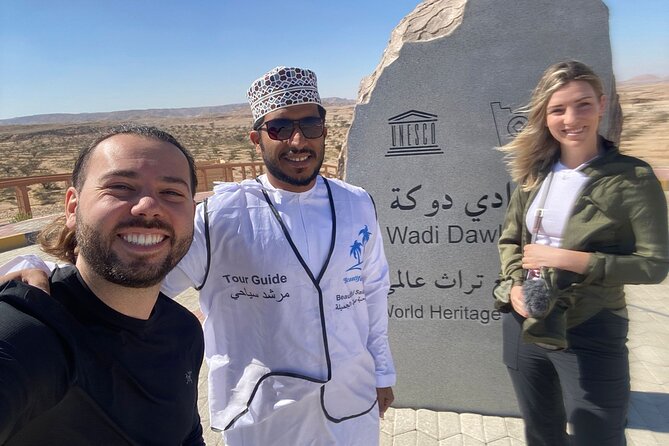
Wadi Dawkah is the first major stop, and it is one of the most useful parts of the day for understanding Dhofar. The wadi lies north of Salalah and is recognized as a UNESCO World Heritage site. Its natural garden contains more than 1,200 frankincense trees, the source of the famous Dhofari luban.
You have about 45 minutes here. That is enough to see the trees, read the entrance information, and learn how the resin is collected. A sign explains the tapping process, in which cuts are made in the bark so the sap can harden and be gathered.
The figures give the stop some scale. One tree can produce roughly three to four kilograms of frankincense in a season. This was not simply a pleasant-smelling product used in homes. Frankincense was once traded as a precious good, and its value helped connect southern Oman with distant markets.
I like Wadi Dawkah because the trees make the trade tangible. At a museum, you see a piece of resin behind glass. Here, you see the source itself. The trees are not enormous tropical giants. Their twisted shapes and pale bark suit the dry setting, and the whole stop feels closely tied to the region.
Do not expect a long walk or a full botanical visit. The stop is brief, and admission to the frankincense park is included. If you want to buy frankincense, smell different grades, or learn more about traditional use, you may need to do that elsewhere in Salalah. This stop is mainly about seeing the trees and understanding how the resin is harvested.
Thumrait and the road toward Shisr
The route continues through Thumrait, a town north of Salalah with a long connection to Bedouin settlement. It is one of the wilayat of Dhofar and serves as a useful marker as the journey moves away from the mountains.
There is no stated sightseeing stop in town, so treat Thumrait as part of the overland route rather than a separate attraction. Its importance is geographical and cultural. You are crossing the interior that once supported movement between the coast, inland settlements, and the frankincense routes.
This is also where the distance becomes more noticeable. The drive to Ubar takes about three hours from Salalah, according to the tour information, and the ruins lie roughly 55 kilometers from the main road at Thumrait. That makes the outing a serious day trip, not a quick add-on to a city tour.
Use the vehicle time sensibly. Keep water close, protect your face from dust, and wear clothes you do not mind getting sandy. Bottled water is provided, but lunch is not included, so plan food before departure or confirm what arrangements are available for your booking.
More things to do in Salalah:
- Mountain Safari Private Tour
★ 5.0 · 105 reviews - West Salalah Tour – Caribbean of Orient – Fazayah Beach with City
★ 5.0 · 74 reviews - West Salalah: Caribbean of the Orient Fazayah Beaches & City
★ 4.5 · 60 reviews - Salalah City Tour: Discover the Best of Oman’s Coastal Gem
★ 4.8 · 58 reviews
Ubar, the Lost City of the Sands
The stop at Ubar, near the village of Shisr, gives the safari its strongest historical thread. Archaeological work at the site suggests that it was involved in the inland frankincense trade. The settlement later became associated with the legend of a lost kingdom swallowed by the desert.
Ubar is often called the Atlantis of the Sands, but the archaeological site is more useful when you look past the dramatic nickname. What you see is a place connected to trade, movement, and survival in an extremely dry setting. The ruins help explain why the desert was not an empty barrier. It was a route, though a demanding one, for goods that were worth carrying long distances.
You have about an hour here, and admission to the archaeological site is not included. Check the entrance cost when you book or arrive, since the listed tour price does not cover it.
The one-hour stop should give you time to look around without turning the visit into a rushed photo break. I would listen closely to the guide here, since the physical remains are limited and the story gives them meaning. Mohammed Ali has been praised for bringing the area, its people, and its past closer to visitors, and his guiding can add much to a site that might otherwise seem like scattered stones in a very large desert.
Ubar is not a grand, fully rebuilt city. Keep your expectations realistic. The appeal is the setting and the connection to the old trade network, not a long list of intact buildings. You are making a long journey to see a modest archaeological site because its location and story are unusual.
The Empty Quarter at sunset
After Ubar, the route reaches the Empty Quarter, known in Arabic as Rub al Khali. This is the heart of the excursion, and you spend about two hours among the dunes.
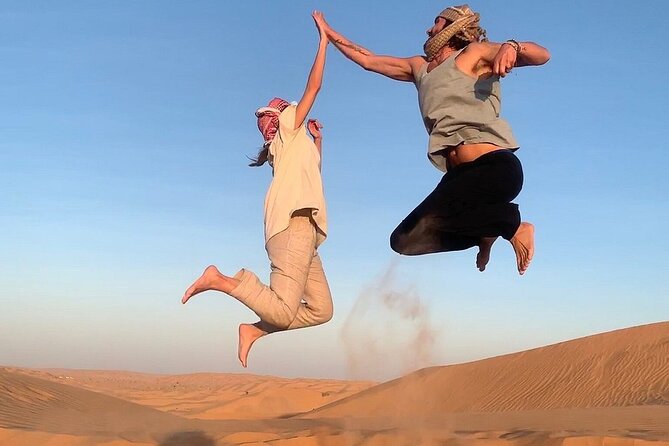
The desert here is not a flat sea of sand. Dunes rise and fall in broad curves, with changing colors as the sun gets lower. The exact look will depend on weather and light, but sunset is the reason to schedule the visit late in the day. The shadows stretch across the sand, the ridges become sharper, and the warm tones deepen before the light fades.
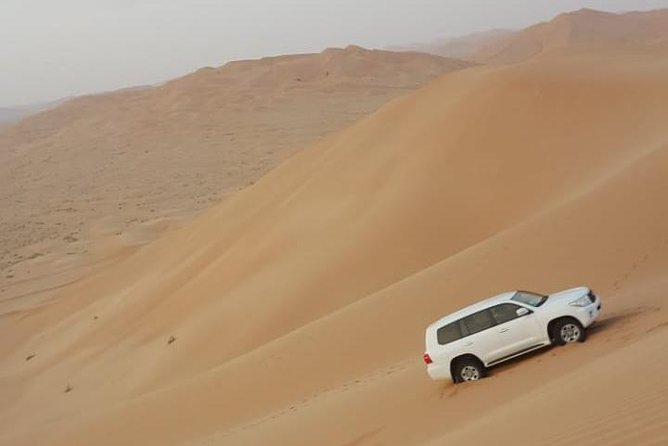
The 4×4 portion includes dune driving, often called dune bashing, followed by time to walk or trek on the sand. That combination is better than remaining in the vehicle. You get the movement and excitement of the drive, then time to feel the scale of the place under your own feet.
The walking can be tiring. Sand makes every step harder, and wind can blow it into your shoes, hair, and face. Bring a scarf for protection and a hat with a secure fit. Sunglasses are also sensible, though they are not specifically listed among the inclusions.
There is no mobile coverage in the desert. That is useful to know before you leave Salalah. Download anything you need in advance, tell people at home that you will be out of contact, and do not count on calling for help once you are among the dunes.
The tour information warns against taking the trip if you are sick or have a medical condition that could worsen with dune driving and a long journey. Children below six years old are also excluded. This is not a gentle sightseeing loop. It combines hours in a vehicle, rougher driving, heat, sand, and a late return.
The sunset photography stop
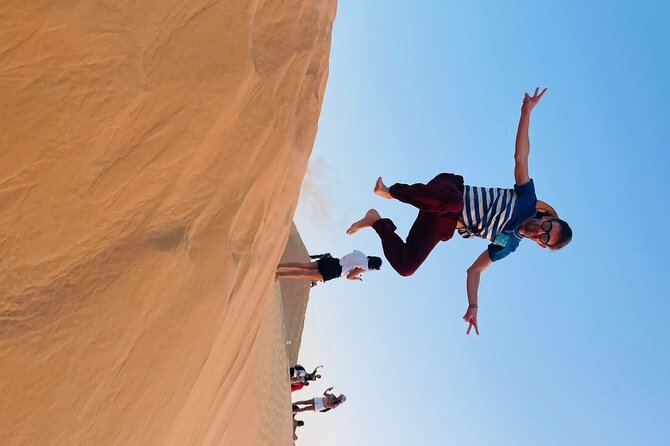
The sunset is the payoff, but it rewards patience more than constant activity. You are given breaks to walk on the dunes and take photos, so you can choose a ridge, settle in, and watch the light change.
I would not rush to the highest dune immediately. The best view may come from a lower ridge with a clean curve of sand in front of you. Since the tour schedule allows about two hours in the Empty Quarter, you should have time for more than one photo stop, depending on the driving and the group.
Dust can affect visibility. The sunset may look crisp, or it may be softened by airborne sand. That uncertainty is part of a desert outing, but it is also why you should bring a scarf and avoid delicate camera equipment if you are not prepared to protect it.
Dinner is included only on a private tour if you select the dinner option. It is not included in the group tour. Do not assume the $95 price covers an evening meal. Bottled water and transport are included, but lunch is not.
Is $95 good value?
At $95 per person, this is a reasonable price for a full-day private desert outing, especially if you are sharing the 4×4 with several people. You are paying for a long round-trip transfer from Salalah, an air-conditioned vehicle, a driver-guide, the Empty Quarter experience, Wadi Dawkah, and Ubar.
The value improves if you would otherwise need separate transport to the interior. Hiring a vehicle and arranging the desert drive yourself may not be simple, and you would still need to organize the route, timing, and access to the sites.
The price is less attractive if you mainly want sunset photos and do not care about frankincense or Ubar. In that case, several hours of road time may feel excessive. You are paying for the complete Dhofar story, not only for a short stretch of dunes.
Group discounts are available, and the private 4×4 can take up to six adults. Ask about the exact price for your party, since the private and group arrangements differ. If you choose private touring and add the dinner option, confirm the final total before you go.
Guide service and practical comfort
The strongest personal praise connected with this outing centers on Mohammed Ali. German-language feedback describes a very enjoyable day with him, especially his ability to explain the land and the people. English-speaking guiding is available, while German, Italian, French, and Polish guides are limited and cannot be guaranteed for every date.
If a guide in your preferred European language is unavailable, an English-speaking guide with an Omani license will be arranged. That is worth confirming early if language is important to you.
Pickup is offered, and confirmation is received when you book. The vehicle is air-conditioned, and bottled water is supplied. The private format means only your own group participates, which can make the long day easier to manage.
The tour requires suitable weather. If poor conditions cancel it, you can choose another date or receive a full refund. The same applies if the minimum number of participants is not reached. You can cancel for a full refund up to 24 hours before the start time, but changes or cancellations inside that window are not accepted.
Who should book this safari?
I would choose this outing if you want to see more than Salalah’s city and coast. It suits you if you enjoy long scenic drives, archaeological sites, local trade history, and open desert. It is also a good choice for photographers who want sunset light over dunes rather than a quick roadside stop.
Families with young children should take the age rule seriously. Children under six cannot join, and anyone with a condition affected by rough driving, sand, or a long journey should avoid the trip.
You should also think about your tolerance for uncertainty. Dust storms are possible, mobile coverage disappears, and the sunset can be softened by weather. The tour delivers access and structure, but nature controls the final scene.
Should you book it?
Book this tour if the idea of linking frankincense trees, a lost desert settlement, and the Empty Quarter appeals to you. The route is long, but it makes sense, and the sunset gives the day a clear finish.
Skip it if you want a short, comfortable excursion or if your main goal is only dune driving. For everyone else, the $95 price is a solid deal for a full day in Dhofar, particularly when several people share a private 4×4. Bring water-friendly patience, sun protection, a scarf, and realistic expectations about the road. The desert is not a backdrop you simply pass through. It is the reason for the journey.
FAQ
How long does the Salalah Empty Quarter safari last?
The tour lasts approximately eight to nine hours.
How long is the drive from Salalah to the Empty Quarter?
Travel time is about two hours each way between Salalah and the Empty Quarter desert.
Is hotel pickup available?
Yes, pickup is offered as part of the experience.
Is the tour private or shared?
The tour is private, meaning only your group participates. A group tour is available once a week.
How many people can ride in the private 4×4?
The private 4×4 vehicle can carry up to six adults.
Is dinner included?
Dinner is included only with the private tour if you select the dinner option. Dinner is not included on the group tour.
Is admission to Ubar included?
No. Entrance fees to the Ubar archaeological site are not included.
Is there mobile coverage in the desert?
No. There is no cell phone coverage in the Empty Quarter desert, so plan to be out of contact during that part of the trip.
More Empty Quarter Trips
- Empty Quarter Desert Sunset tour
★ 5.0 · 55 reviews - Desert Safari, Sunset & Sand Bashing (Rub Al Khali Desert)
★ 5.0 · 44 reviews - Magical Night Stay in Rub Al Khali Empty Quarter Desert Salalah
★ 5.0 · 35 reviews - Desert Sunset Magic – Salalah Empty Quarter Experience
★ 5.0 · 19 reviews
Just added in Salalah
- West of Salalah private tour – fascinating mountains and beaches★ 5.0 · 9 reviews
- Salalah White Beaches & Panoramic Views of sea (Full Day Tour)★ 5.0 · 1 review
- Where Sea Meets Rock: A Scenic Journey to West Salalah’s Shores★ 5.0 · 5 reviews
- West Salalah Tour by VisitSalalah★ 5.0 · 6 reviews
- West Salalah Beaches and Blowholes★ 5.0 · 7 reviews
- Explore Samhan Mountain – Half-Day Getaway with Lunch Included.★ 5.0 · 10 reviews
- Private tour – Empty Quarter desert adventure – Wadi Dawka + Ubar★ 5.0 · 5 reviews
- Salalah East & West Combination★ 5.0 · 2 reviews
Oman Desert Safaris, compared.

Wahiba Desert and Wadi Bani Khalid Guided Group Tour
Read our review →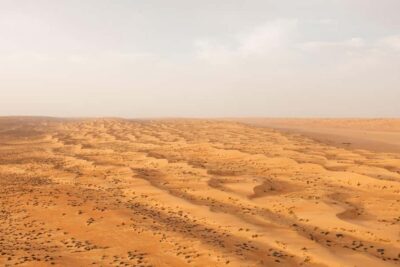


Full-Day Private Wahiba Sands Desert and Wadi Bani Khalid Tour
Read our review →
East Salalah Mountain Safari, Wadi Darbat, Beach, Camels, Dunes
Read our review →
Wadi Darbat, Jabal Samhan, Baobab, Mirbat Sand Dune
Read our review →Browse the lists this tour appears in