
REVIEW · HISTORICAL TOURS
East Salalah Highlights: Half-Day Heritage & Scenic Countryside
Salalah packs a lot into half a day. I like the mix of old Dhofari culture and open countryside, and I also like the tour’s unusual stops, from baobab trees to a road that appears to run uphill. The main drawback is timing: with seven stops in four to five hours, some visits feel more like focused photo breaks than long explorations.
This private tour is also appealing if you want simple transport and a local guide without joining a large group. Hamid received special praise for explaining Oman’s history across different periods, but you should know that Taqah Castle is currently under maintenance, so the castle visit may be replaced with extra time at the nearby cliff viewpoint.
In This Review
- Key points at a glance
- Why this half-day route works
- Taqah Castle and the old fishing town
- Taqah Cliff and the Indian Ocean view
- Wadi Darbat after the coast
- Tawi Attair and the Well of Birds
- Baobab trees in Wadi Hinnah
- Samhan Mountain’s gravity point
- Sumhuram, an ancient frankincense port
- What the $170 price really buys
- Who should book this Salalah tour
- Should you book it?
- FAQ
- How long does the East Salalah Highlights tour last?
- Is hotel pickup available?
- Is this a private tour?
- What type of vehicle is used?
- Is Taqah Castle currently open?
- What is included in the price?
- Can I cancel for a full refund?
Key points at a glance
- A private route with seven contrasting stops: You move from a former governor’s home to cliffs, a valley, a sinkhole, rare trees, a gravity point, and an ancient port.
- Wadi Darbat is the scenic centerpiece: Expect a valley with seasonal waterfalls, a natural lake, animals, and water activities after the monsoon.
- Tawi Attair reaches 211 meters deep: The limestone sinkhole, known locally as the Well of Birds, gives you an impressive view into a natural cavern.
- The baobab grove is genuinely unusual: Dhofar has about 200 of these giant trees, a plant more often linked with Africa.
- Sumhuram gives the tour historical weight: The UNESCO-listed ruins connect Dhofar with the ancient frankincense trade.
- The $170 price buys privacy and transport: It makes more sense for a small group than for a solo visitor, especially since the vehicle, guide, water, fuel, and entry fees are included.
Why this half-day route works
Salalah is not a city you understand from one museum or one beach stop. The surrounding Dhofar region brings together sea cliffs, mountain valleys, old settlements, unusual plants, and trade routes that shaped the area for centuries. This tour gives you a quick look at all of them.
I like that the route does not rely only on grand scenery. Taqah introduces local life, Wadi Darbat shows the seasonal side of the countryside, and Sumhuram explains why the coast mattered long before modern tourism. The oddball stops, especially the gravity point, keep the outing from feeling like a standard ruins-and-viewpoints drive.
The schedule is brisk. Taqah Castle gets 45 minutes, Wadi Darbat and Sumhuram each receive about an hour, and the smaller viewpoints last between 15 and 25 minutes. That balance works if you want a broad introduction. If you prefer long walks, extended photography, or detailed archaeological study, you may want a full-day outing instead.
Because the activity is private, the pace belongs to your group within the planned route. Pickup is available, and the tour uses an air-conditioned vehicle. Groups of one to three adults use a two-wheel-drive vehicle, groups of four to six use a four-wheel-drive vehicle, and groups of seven to nine are split between two four-wheel-drive vehicles with one guide and two drivers.
More History Tours in Salalah
- Salalah City Tour with History, Culture, Souq Shopping, Halwa
★ 4.5 · 39 reviews - Historical Salalah City Tour
★ 4.7 · 22 reviews - Historical Salalah City Tour with Culture, Food & Shopping
★ 4.6 · 20 reviews
Taqah Castle and the old fishing town
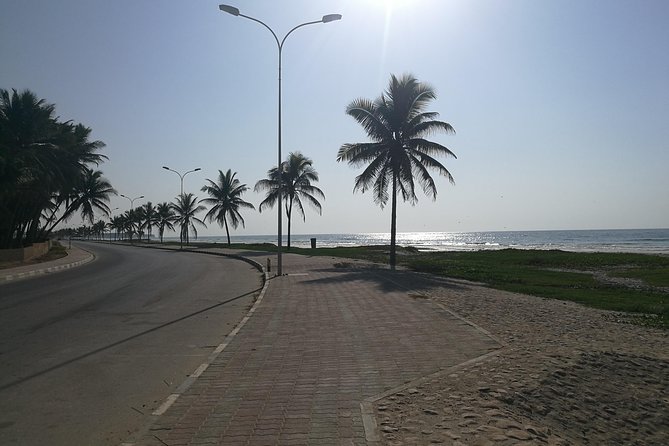
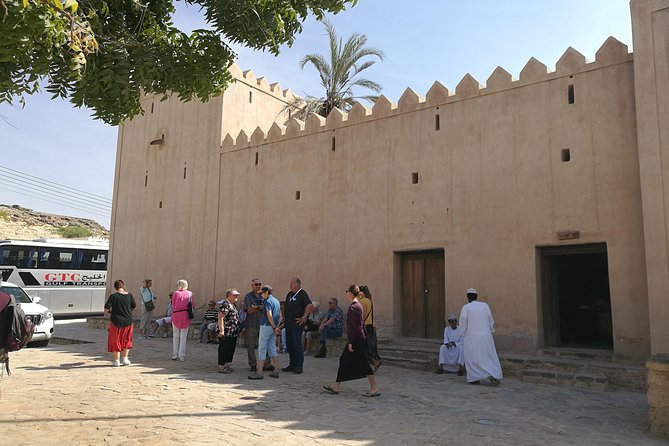
The first stop takes you through Taqah, an old coastal town known for fishing, dried sardines, rural produce, and traditional Dhofari mud houses. That short drive matters because it gives the castle a setting. You are not simply entering an isolated old building. You are seeing it in the town it once served.
Taqah Castle was the former home of the local Wali, or governor. Inside, displays offer a look at earlier Omani domestic and administrative life. The nearby old fort and lookout tower sit on a hill beside the castle, adding another layer to the town’s defensive past.
There is one important change to expect. The castle is currently under maintenance, so access may not be available. In that case, the operator offers extra time at Taqah Cliff. I would confirm the condition before departure if the interior displays are a major reason for booking.
Even with that limitation, Taqah remains a useful opening stop. You get local history before the tour moves into mountain scenery, and the contrast between the mud houses, fishing traditions, and modern road trip makes the region easier to place.
Taqah Cliff and the Indian Ocean view
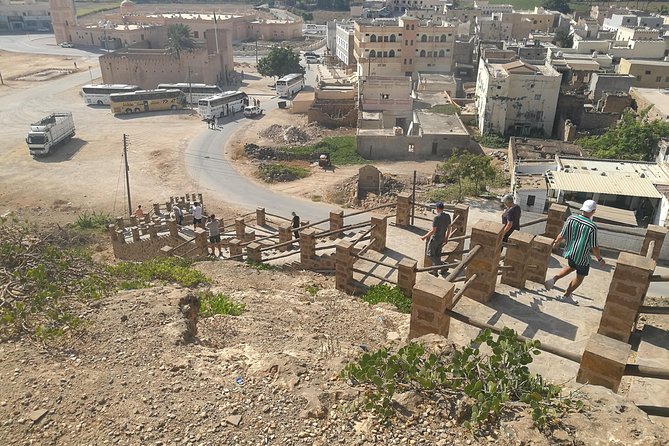
The cliff at the end of Taqah’s coastline rises about 15 meters above the sea and looks toward both the Indian Ocean and Taqah. The stop lasts around 20 minutes, so you should treat it as a viewpoint rather than a beach visit.
The ocean breeze is part of the appeal. From the top, you can take broad coastal photographs and look below for dolphins. The chance of seeing them is described as high, but wildlife is never guaranteed. Bring patience, though this is not a long marine-watching excursion.
This viewpoint becomes especially useful if Taqah Castle is closed. It gives the tour a strong scenic stop and can absorb extra time without requiring a major change in the route. You will want secure footwear and care near any exposed edge, though no special activity is included here.
Wadi Darbat after the coast
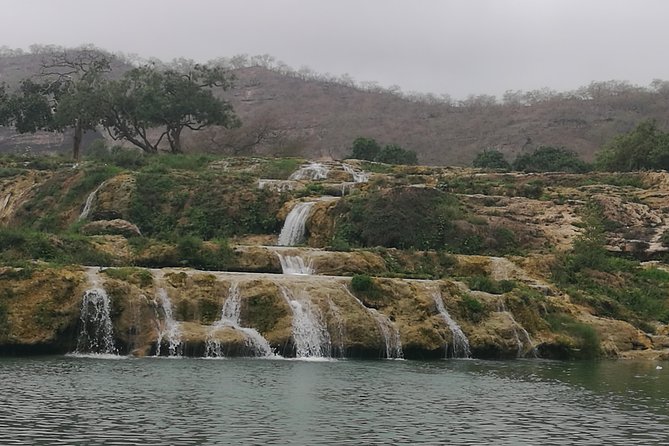
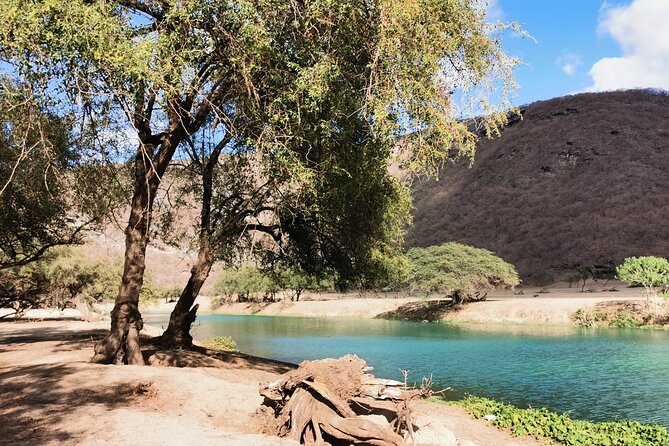
Wadi Darbat is the main nature stop, with about an hour set aside for the valley. Its appeal changes with the season. The valley has an underground spring that forms a lake, and after the monsoon you may find seasonal waterfalls and water activities such as pedal boats, speedboats, and kayaks.
The wording around these activities matters. They are seasonal attractions, not stated inclusions in the tour price. I would view them as possible extras or local options rather than build your whole day around them.
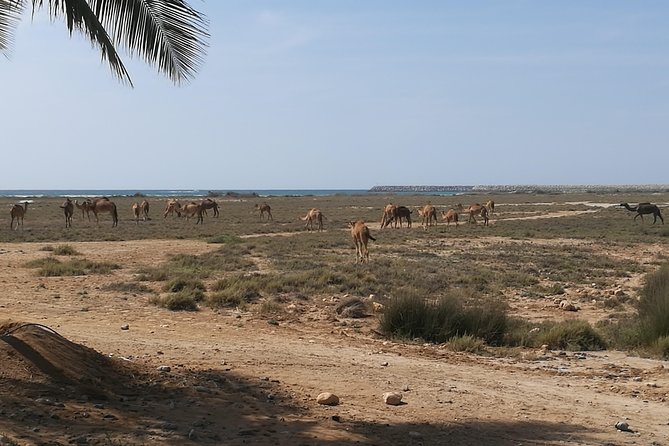
The valley also has a pastoral side. Camels, cows, and goats may be seen around the area, giving you a glimpse of how the countryside is used beyond sightseeing. The combination of water, animals, small falls, and open mountain country makes Wadi Darbat a good family stop.
The tradeoff is that conditions can vary. A visit after the monsoon may look very different from a visit in a dry period. You may find a lake and some greenery, or you may experience a quieter valley with fewer active water features. The tour still works in either case, but expectations should match the season.
More things to do in Salalah:
- East Salalah Mountain Safari, Wadi Darbat, Beach, Camels, Dunes
★ 5.0 · 206 reviews - Salalah: Wadi Darbat, Jabal Samhan, Baobab, Mirbat Sand Dune
★ 4.6 · 178 reviews - Mountain Safari Private Tour
★ 5.0 · 105 reviews - Sunset Desert Safari Salalah Tour in Rub Al Khali – Empty Quarter
★ 5.0 · 91 reviews
Tawi Attair and the Well of Birds
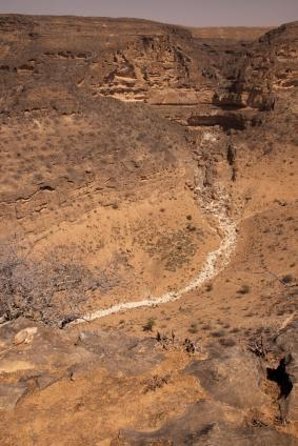
About 20 minutes after Wadi Darbat, the vehicle heads through open countryside toward Tawi Attair. The route leads to a limestone sinkhole that reaches about 211 meters deep, roughly the height of a 60-floor building.
Locals call it the Well of Birds because birds nest in the walls and their calls can echo around the opening. The stop lasts about 25 minutes, enough to reach the viewpoint, hear an explanation from your guide, and take in the scale of the formation.
This is a stop where photographs may not fully convey the experience. A deep opening in pale limestone can be difficult to judge from a screen, while standing above it gives you a clearer sense of its depth. Still, you should expect a viewpoint visit, not a descent into the sinkhole.
Tawi Attair also breaks up the drive nicely. After the water and animals of Wadi Darbat, you get a stark geological feature. The variety is one of the route’s strengths.
Baobab trees in Wadi Hinnah
The baobab stop is short, about 15 minutes, but it may be the most unusual photo opportunity of the day. These giant Tabaldi trees grow in Wadi Hinnah on Samhan Mountain. About 200 baobab trees are found in Dhofar, and some can reach 25 meters in height with trunks up to two meters wide.
You may know baobabs from Africa, particularly Madagascar, so seeing them in Dhofar feels unexpected. The trees have thick, distinctive forms and look very different from the palms and other plants associated with Salalah in popular photographs.
The brief stop means you will not have a long botanical walk. Instead, your guide will point out the trees and give you time for photographs. I would keep your camera ready and avoid assuming that every baobab grows in one compact grove. The supplied description places them in the middle of Wadi Hinnah, but the tour does not promise an extended hiking route.
This stop is valuable because it shows that Dhofar’s plant life is not one-note. The area has a plant story shaped by its climate, mountains, and seasonal water, and the baobab is a striking example.
Samhan Mountain’s gravity point
Fifteen minutes farther down the Samhan mountain road is the so-called gravity point. The road appears to slope uphill, yet a vehicle placed in neutral seems to roll upward.
The stop is designed as a hands-on oddity. You do not merely hear about the phenomenon. You can experience the motion yourself, which makes it an easy crowd-pleaser. The description calls it controversial, so I would treat it as an optical or road-perception puzzle rather than accept a dramatic explanation without question.
That uncertainty is part of the fun. You can test what you see, take a short break from the vehicle, and compare impressions with the rest of your group. The stop lasts only about 15 minutes, so it does not take much time from the more substantial historical and nature visits.
It also adds humor to the route. After sinkholes and ancient ports, watching a car appear to defy gravity gives the half-day a memorable final mountain surprise before the ruins.
Sumhuram, an ancient frankincense port
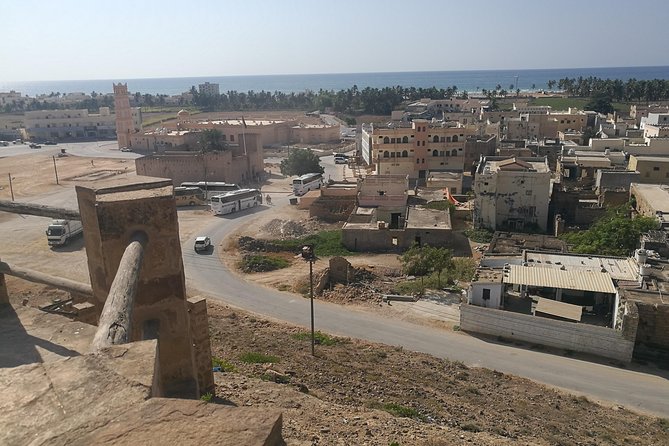
The final stop is Sumhuram Old City, a UNESCO World Heritage site on a small hill overlooking the Indian Ocean. About an hour is reserved here, making it one of the tour’s two main historical visits.
The ruins date to around the fifth century BC and connect with Dhofar’s frankincense trade. Sumhuram was an important port, and its position above the sea helps explain why the site mattered. You can look across the coast while considering the movement of goods and people through this part of southern Oman.
An information center provides a six-minute video about the ruins and their past. That short film is useful because ancient stones can be hard to read without context. I would watch it before walking around the remains, then use the site itself to connect the explanation with the walls, hilltop position, and sea view.
The stop gives the tour a strong ending. Taqah shows a more recent period of Omani life, while Sumhuram reaches back to an ancient trading world. You get scenery at both sites, but the historical frame makes the views more meaningful.
What the $170 price really buys
At $170 per person, this is not a budget sightseeing drive. The value improves if you are sharing the cost with family or friends because the tour is private. You are paying for a dedicated vehicle, an Arabic and English-speaking local guide, bottled water, fuel surcharge, taxes, and listed admission fees.
The route also covers a lot of ground in four to five hours. Hiring separate transport for Taqah, Wadi Darbat, Tawi Attair, Samhan Mountain, and Sumhuram could be awkward, especially if you do not know the roads. The included air conditioning matters in Oman, and hotel pickup removes another practical chore.
For one person, the price is harder to justify unless privacy and convenience are especially important. For a small group, the cost can feel more reasonable because you are not simply buying entry to one attraction. You are buying a compact private circuit with a guide who can explain local history and make sense of the countryside.
All fees and taxes are included, but anything not specifically listed is extra. That includes any optional activity at Wadi Darbat. Ask about those costs before getting into a boat or kayak.
Who should book this Salalah tour
I would recommend this outing if you want a broad first look at eastern Salalah and prefer a private vehicle to a large group. It suits families, couples, and small groups who value variety more than long time at one site.
It is also a good fit if you want a guide to connect the stops. Hamid is specifically praised for explaining Oman through different historical periods, and that kind of commentary can make Taqah and Sumhuram more rewarding than a self-guided visit.
You may want another option if your priority is a long waterfall visit, serious birdwatching, extensive hiking, or an unhurried castle tour. The schedule is full, and several stops last only 15 to 25 minutes.
Pickup is available, confirmation is provided at booking, and most people can participate. Free cancellation is available up to 24 hours before the start time. The tour requires good weather, and if poor conditions cause cancellation, you are offered another date or a full refund.
Should you book it?
Book it if you want seven sharply different impressions of Dhofar in one private half-day: a coastal town, ocean cliffs, a seasonal valley, a giant sinkhole, rare trees, a gravity puzzle, and an ancient frankincense port.
I would book with two cautions. First, confirm the current status of Taqah Castle because maintenance may change the first stop. Second, make sure the $170 price fits your group size. For a small private party that wants comfort and a guide, the coverage is strong. For a solo visitor seeking the lowest possible cost or long visits at each location, it is less compelling.
FAQ
How long does the East Salalah Highlights tour last?
The tour lasts approximately four to five hours.
Is hotel pickup available?
Yes. Hotel pickup is offered for your convenience.
Is this a private tour?
Yes. Only your group participates in the activity.
What type of vehicle is used?
One to three adults use a two-wheel-drive vehicle. Four to six adults use a four-wheel-drive vehicle. Seven to nine adults use two four-wheel-drive vehicles with one guide and two drivers.
Is Taqah Castle currently open?
Taqah Castle is currently under maintenance. If it cannot be visited, extra time is offered at the nearby Taqah Cliff viewpoint.
What is included in the price?
The price includes bottled water, all fees and taxes, an air-conditioned vehicle, fuel surcharge, listed admission fees, and a local Arabic and English-speaking guide.
Can I cancel for a full refund?
Yes, you can cancel at least 24 hours before the experience start time for a full refund. Poor-weather cancellations offer a different date or a full refund.
Just added in Salalah
- West of Salalah private tour – fascinating mountains and beaches★ 5.0 · 9 reviews
- Salalah White Beaches & Panoramic Views of sea (Full Day Tour)★ 5.0 · 1 review
- Where Sea Meets Rock: A Scenic Journey to West Salalah’s Shores★ 5.0 · 5 reviews
- West Salalah Tour by VisitSalalah★ 5.0 · 6 reviews
- West Salalah Beaches and Blowholes★ 5.0 · 7 reviews
- Explore Samhan Mountain – Half-Day Getaway with Lunch Included.★ 5.0 · 10 reviews
- Private tour – Empty Quarter desert adventure – Wadi Dawka + Ubar★ 5.0 · 5 reviews
- Salalah by Night Tour – Charming Evening in the Garden City★ 5.0 · 2 reviews
Historical Tours, compared.

Nizwa Heritage & Culture Full Day Tour with Audio Guiding
Read our review →
Private Historical Tour – Nizwa Fort – Nizwa Souq – Bahla Fort – Jabreen Castle
Read our review →

Salalah City Tour with History, Culture, Souq Shopping, Halwa
Read our review →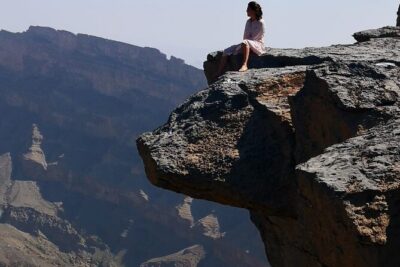
Nizwa Heritage & Jebel Shams Canyon – Private Tour from Muscat
Read our review →
Browse the lists this tour appears in