

REVIEW · WADI TOURS IN OMAN
Salalah: Wadi Darbat, Jabal Samhan, Baobab, Mirbat Sand Dune
Oman packs astonishing variety into one day. This East Salalah outing links Wadi Darbat’s seasonal waterfalls with Taqa’s old buildings, Jabal Samhan’s cliff views, giant baobab trees, and Mirbat’s sand dunes. I like the broad mix of scenery, and I like that the guide adds local stories instead of simply pointing at viewpoints. The main catch is seasonal: outside the khareef monsoon, the waterfall and river may be dry.
I also like the practical flexibility. Guides such as Adel, Mohammed Ali, Tariq, Salim, and Abdullah have been praised for stopping for photographs, adjusting the pace, and helping with special requests. Still, the long route packs in many stops, and optional costs for boats, kayaking, and heritage sites can make the advertised $76 price rise.
In This Review
- The East Salalah highlights worth knowing
- Why this route makes sense from Salalah
- Taqa’s castle, cliff, and old Dhofari home
- Wadi Darbat and the question of water
- Tawi Attair, the Birds Well, and Jabal Samhan
- Wadi Hinna’s baobabs and the anti-gravity trick
- Mirbat’s Ad Damar dunes at day’s end
- Guides, vehicles, and the value of $76
- The best season, clothing, and what to pack
- Who should book this Salalah tour?
- FAQ
- How much does the East Salalah tour cost?
- Is this a full-day or half-day experience?
- Are the Wadi Darbat waterfalls guaranteed?
- Are boat rides and kayaking included?
- What does the tour price include?
- What should I wear and bring?
- Should you book it?
The East Salalah highlights worth knowing
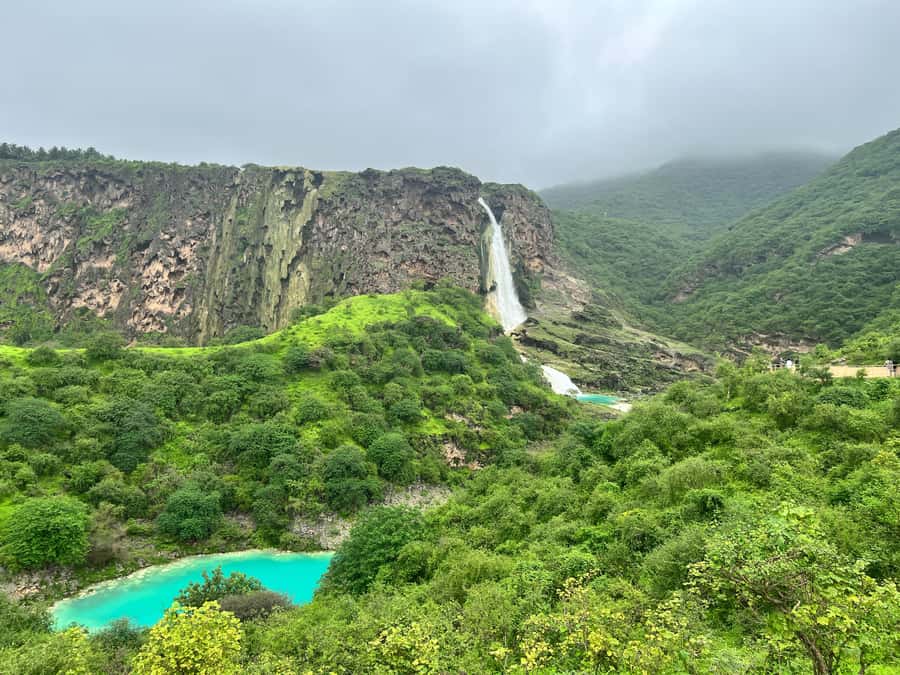
- Wadi Darbat changes with the season: During khareef, waterfalls and green hills give the valley its famous look. In drier months, the water may be limited, but camels, horses, cows, and the broad valley still make this a worthwhile stop.
- Jabal Samhan delivers the biggest view: At about 4,000 feet, the mountain viewpoint looks across steep cliffs and, in misty weather, may place you above the clouds.
- Taqa adds a cultural start: The castle, Burj Al Askar lookout, and Koofan Heritage House give the day more depth than a simple nature drive.
- The baobabs are genuinely unusual: Wadi Hinna’s old trees have immense trunks and a shape rarely associated with Oman.
- The final stops are surprisingly varied: Anti-Gravity Hill and the Ad Damar dunes near Mirbat provide a playful ending after the mountain and wadi visits.
- The tour works well for a short Salalah stay: You see coast, mountain, valley, desert, and old town sights without arranging several separate excursions.
Why this route makes sense from Salalah
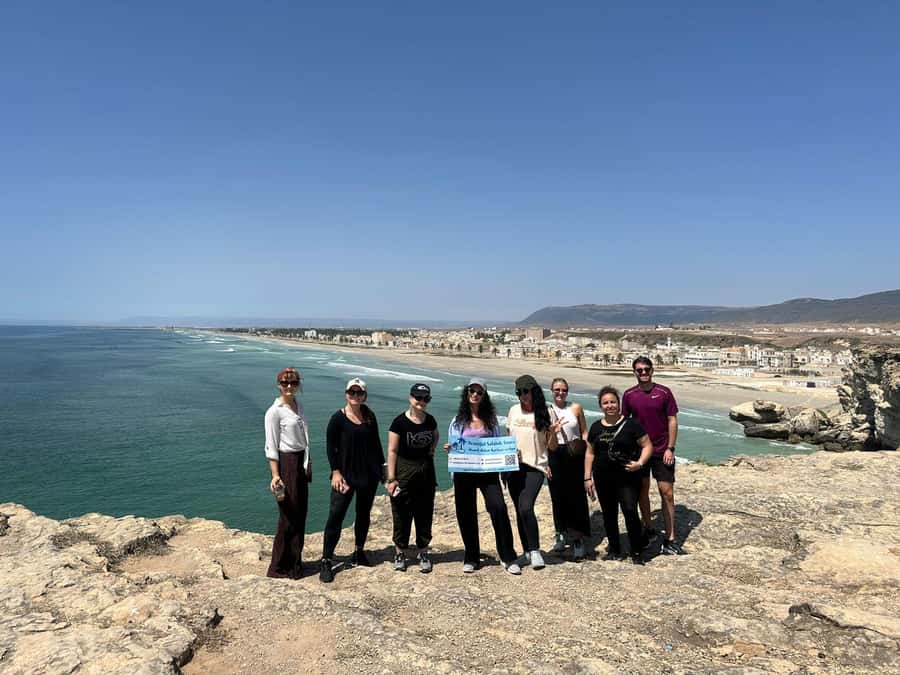
Salalah is more than palm trees and beaches. East of the city, the scenery changes quickly, from the coastal town of Taqa to inland wadis and the high Dhofar mountains. This trip gives you a useful first look at how closely the sea, cliffs, dry hills, and desert sit together.
Pickup is available from hotels, apartments, the port, and the airport in Salalah and Hawana Salalah. The drive is in a jeep or SUV, which matters because the route leaves the city and uses roads leading into mountain and wadi areas. Pickup and drop-off are included for those locations. From Mirbat or Hinu Bay, an extra OMR 10 per group applies.
The outing is advertised as lasting four to eight hours. The full route is best treated as a full-day commitment, while the shorter version concentrates on the eastern sights and leaves out the higher mountain and later baobab and dune stops. Confirm the exact duration and start time before booking, since the available schedule can vary.
Group size is not specified, but the experience can work for solo visitors. Nicola, visiting alone from the United Kingdom, found it useful because group tours for solo visitors can be difficult to find. Groups may also be combined in one vehicle, so ask how the guiding will work if several language groups share transportation.
More Mountain Tours in Oman
- East Salalah Mountain Safari, Wadi Darbat, Beach, Camels, Dunes
★ 5.0 · 206 reviews - Mountain Safari Private Tour
★ 5.0 · 105 reviews - East Salalah Mountain Safari
★ 5.0 · 43 reviews
Taqa’s castle, cliff, and old Dhofari home
The morning begins around Taqa, a traditional coastal town with fishing activity and shore birds. From the Taqa cliff, you get a high view over the town and sea, a good early photo stop before the route heads inland.
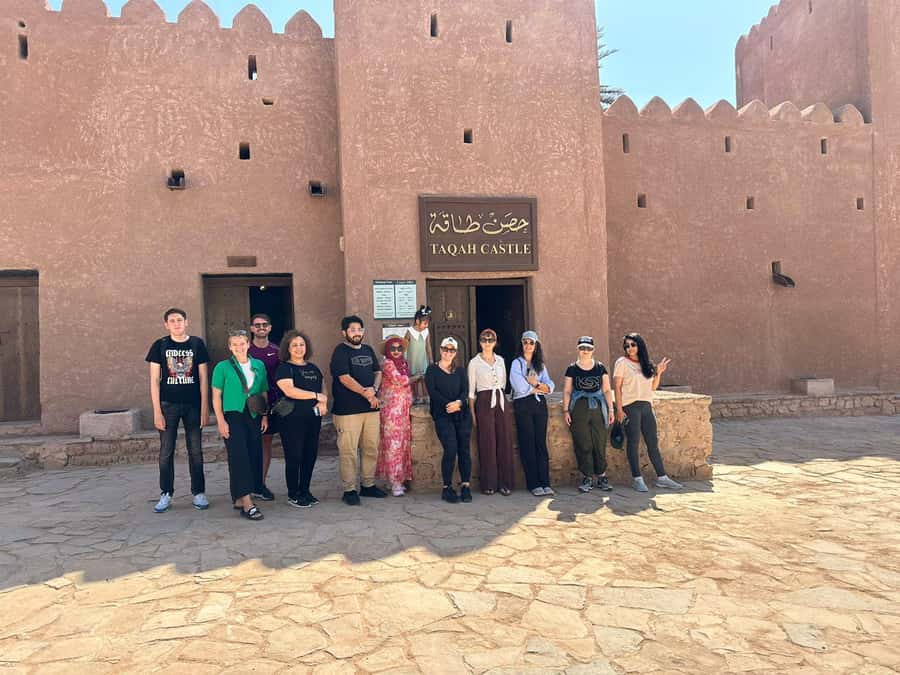
Taqa Castle is the most substantial cultural visit. The 19th-century building offers a look at local power and domestic life before the day turns toward mountains and wadis. You can visit inside for an optional fee, or simply see it from outside if you prefer to keep the cost down.
The nearby Burj Al Askar, also called Taqa Fort, gives another angle over the castle and coast. It is less about wandering through rooms and more about the position: a cliff-top lookout with a wide view.
Koofan Heritage House offers a different kind of context. This 150-year-old Dhofari home helps you picture ordinary domestic life, rather than only official buildings. Entrance to Taqa Castle, Burj Al Askar, and Koofan House is not included, so choose carefully if you want to control spending. The outside views may be enough for you, especially if your main interest is nature.
Allow roughly 30 minutes at the castle, with additional time depending on which optional sites are open and included in your plan. The early cultural stops are useful because they prevent the day from becoming a string of viewpoints with no connection to local life.
Wadi Darbat and the question of water
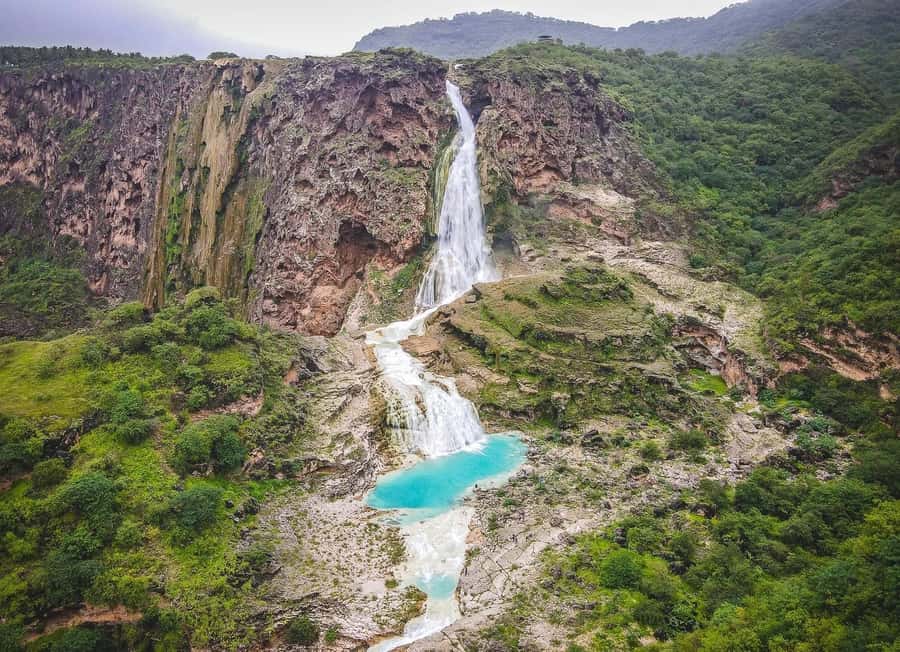
Wadi Darbat is the centerpiece for many people. The valley is one of Dhofar’s most visited natural places, and it is easy to see why when water runs through the canal and the hills turn green. During khareef, usually associated with the summer monsoon, mist and rain can transform the area.
The key warning is simple: do not book this trip expecting a guaranteed waterfall. In the dry season, the river and falls can be weak or absent. One February visit found little water, and an October outing also encountered dry conditions. The valley remains attractive, but it becomes a scenic stop rather than a waterfall spectacle.
Animal sightings add character. Camels may wander into the water, and horses and cows have also been seen around the wadi. You are not visiting a formal animal attraction, so what you see depends on the day. That unpredictability is part of the appeal.
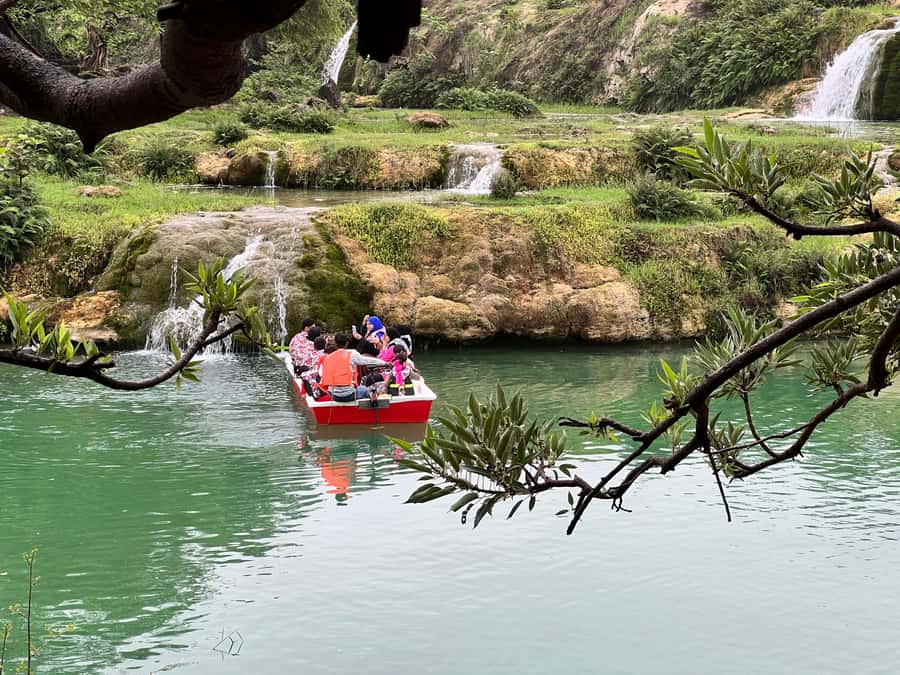
The schedule allows about an hour at Wadi Darbat, followed by a roughly 30-minute boat cruise. The boat ride and kayaking cost extra, despite the planned stop. Bring cash or a card if you want to try them, and remember that a boat ride may take longer than expected if you need help getting on or off.
One visitor described getting stuck on the boat and then needing time for horse riding, while another valued the chance to hike and swim with help from the guide. Those activities are not guaranteed parts of the standard package, so treat them as optional additions rather than promises.
If you want to sit, eat, or have tea at Wadi Darbat, say so clearly. The schedule can be flexible, but the vehicle may also need to keep moving to complete the route. Breakfast is especially important because there is no dependable restaurant stop during the natural-site portion of the trip.
Tawi Attair, the Birds Well, and Jabal Samhan
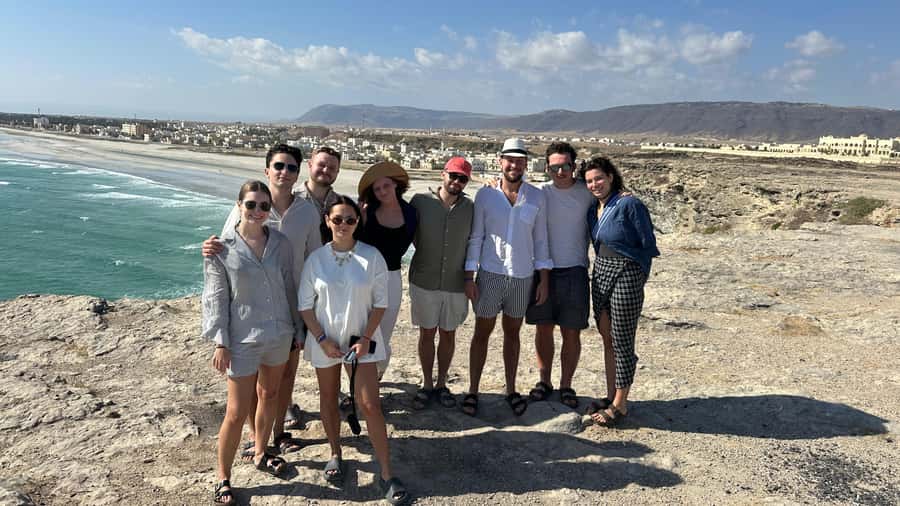
After Wadi Darbat, the full-day route heads toward Tawi Attair, known as the Birds Well. This massive sinkhole is a striking geological stop, viewed from above and associated with the local name meaning birds’ well.
The itinerary allows about 30 minutes here. That is enough for photographs and a look at the opening, but not a long exploration. One useful seasonal suggestion is to ask if a walk lower into the sinkhole is possible, though the standard description does not promise it.
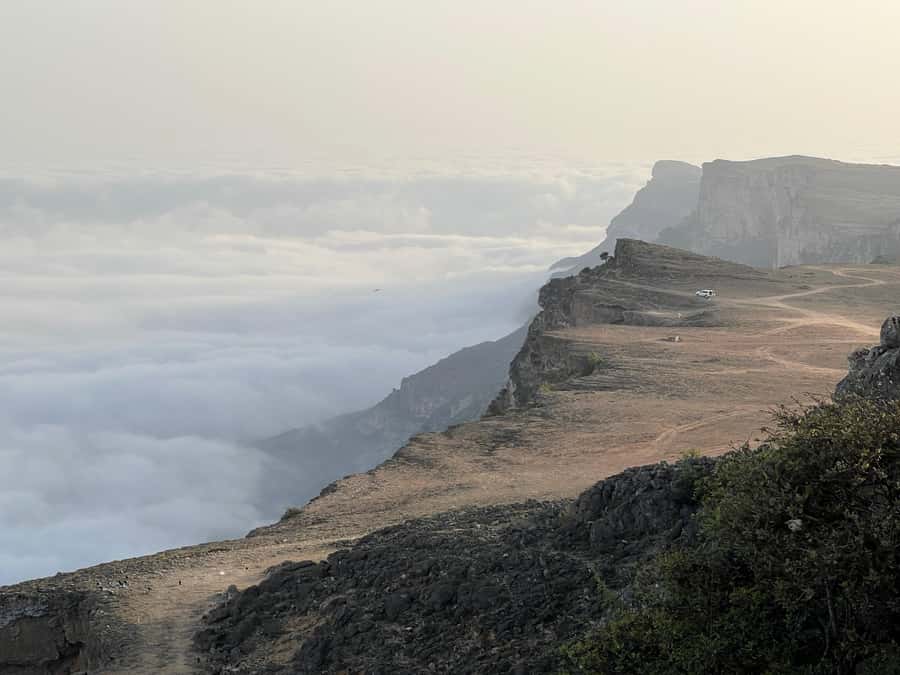
Jabal Samhan is the dramatic high point of the day. At roughly 4,000 feet, the mountain viewpoint gives you a sense of Dhofar’s sheer drop toward the coast. When cloud and mist gather along the cliffs, you may feel as if you are looking out from above the clouds.
Weather controls this stop. In July, heavy mist prevented one group from reaching the viewpoint, and the guide replaced or filled the time with other activities. That was a sensible safety decision, but it shows why you should keep expectations flexible. You may get a clear panorama, a cloud-wrapped mountain, or a changed plan.
The mountain portion is scheduled for around 30 minutes, with a short drive from the sinkhole. Wear proper shoes if you expect a small walk over uneven ground. The tour is not suitable for people with mobility impairments, pregnant women, or anyone over 95 years old, and the route is not designed as a gentle sightseeing loop.
More Wadi Tours in Oman
- Salalah: Half-Day Guided Tour to Wadi Darbat & Mount Samhan
★ 4.9 · 46 reviews - Salalah: Wadi Derbat, Jabal Samhan, & Sinkhole Private Tour
★ 4.9 · 42 reviews - Private tour – Empty Quarter desert adventure – Wadi Dawka + Ubar
★ 5.0 · 5 reviews - Salalah: Wadi Darbat, ,Teeq Cave – Baobou Trees Tour
★ 4.3 · 3 reviews
Wadi Hinna’s baobabs and the anti-gravity trick
The ancient baobab trees at Wadi Hinna give the afternoon a completely different mood. Their thick trunks and unusual silhouettes feel out of place in the popular image of Oman, which is exactly why the stop is memorable.
The visit is brief, about 15 minutes, but the trees need little introduction. Use the time for photographs and a close look at their scale. The stop is not a long forest walk, so it suits you if you prefer several distinctive sights over one extended hike.
Next comes Gravity Hill, also called Anti-Gravity Hill. Here, the vehicle appears to roll uphill while in neutral. It is a simple roadside curiosity, not a major attraction, but it gives the day a bit of fun after the more serious cliffs and sinkhole.
The schedule includes about 30 minutes for the scenic drive around this section, plus a short vehicle transfer. Guides often help with photographs and may make an extra photo stop if time allows. Adel was especially praised for taking good pictures of solo visitors, while Mohammed Ali was repeatedly noted for making the day friendly and personal.
Mirbat’s Ad Damar dunes at day’s end
The final stop is the Mirbat Sand Dunes, also called the Ad Damar Dunes. Golden sand meets a mountain backdrop and the nearby coast, giving you one last change of scenery before returning to Salalah.
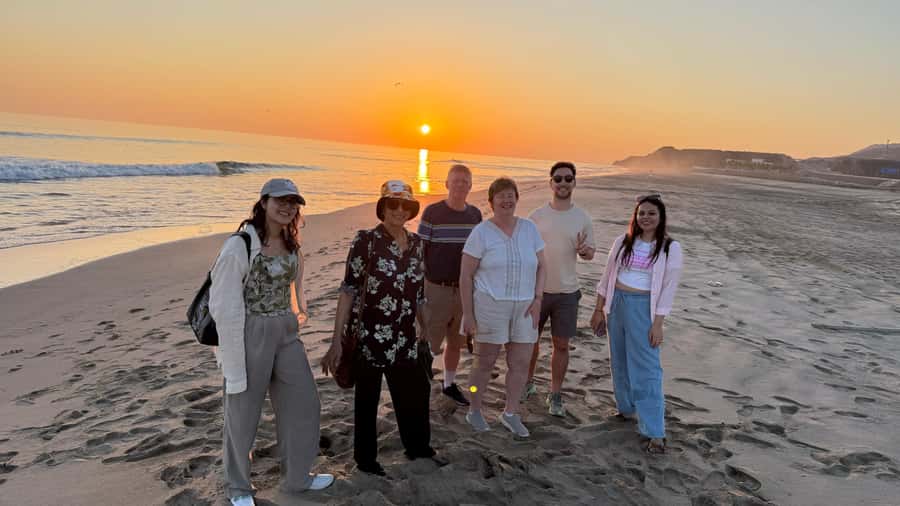
The planned visit lasts about 20 minutes. That is enough to walk on the sand, take photographs, and watch the light change. It is not a full desert camp or a long dune excursion, so you should see it as a scenic finale rather than a separate adventure.
The timing can be especially pleasant because the stop comes late in the route. After a day of driving and short visits, the open dunes offer a simple place to pause. If you want a longer sunset stop, ask the guide early, since the exact timing depends on the rest of the route and your drop-off location.
Guides, vehicles, and the value of $76

At $76 per person, the tour is good value if you want to cover several distant areas without renting a vehicle or arranging separate drivers. The fee includes the guide, hotel pickup and drop-off in the stated Salalah and Hawana areas, and bottled water.
The price does not include food, entrance fees, boat rides, or kayaking. Lunch can be arranged for an additional cost, but there is no good restaurant along the natural-site route. Bring snacks or your own lunch, and tell the guide if you need a proper meal break.
The strongest part of the service is the guide. Adel, Mohammed Ali, Salim, Tariq, Abdullah, Majid, and others have been praised for clear explanations, polite driving, useful local advice, and a willingness to stop for photos. Mohammed Ali even arranged flowers and a cake for a birthday request, showing the kind of personal attention that can make a standard route feel special.
The main service issue is coordination when more than one language group shares a vehicle. One visitor found it confusing when a Polish-speaking guide explained that she was only guiding part of the group, while another guide handled the rest. Ask at pickup who your main guide is and which stops everyone will follow.
The free cancellation period is 24 hours before departure, and you can reserve now and pay later. That is useful if your Salalah plans depend on weather, especially during khareef when mist may affect Jabal Samhan.
The best season, clothing, and what to pack
Khareef, the monsoon season, gives Wadi Darbat its best chance of waterfalls, flowing water, and green hills. It can also bring mist that blocks Jabal Samhan, so the wet season improves one stop while sometimes limiting another.
Outside khareef, you may get clearer mountain views and more reliable road conditions, but the wadi can look dry. A January or February visit can still include animals, baobabs, cliffs, dunes, and cultural sites, but do not expect the lush appearance shown in summer photographs.
Bring:
- Comfortable clothes that cover your shoulders and knees
- Comfortable walking shoes or hiking shoes
- Cash and a credit card for optional activities and entrance fees
- Snacks or lunch
- Water, although bottled water is supplied
Oman’s modest dress code matters at cultural sites and in local communities. Avoid shorts, mini-skirts, sleeveless tops, and low-cut shirts. You will be more comfortable and respectful in loose clothing that covers your shoulders and knees.
Who should book this Salalah tour?
I would choose this trip if you have one or two days in Salalah and want a fast but varied introduction to Dhofar. It suits people who enjoy viewpoints, short walks, cultural buildings, animals, and changing scenery more than people seeking a long hike or a relaxed beach day.
It is also a sensible choice for solo visitors, couples without a rental car, and anyone who prefers a guide to explain local culture and religion. The SUV transfers and included pickup remove much of the planning work.
I would think twice if your main goal is a waterfall, swimming, or an extended desert experience. Wadi Darbat’s water is seasonal, the boat and kayak cost extra, and the Mirbat dune stop is short. The route is busy, too, with many brief visits rather than hours spent in one place.
FAQ
How much does the East Salalah tour cost?
The tour costs $76 per person. Food, optional entrance tickets, boating, and kayaking are not included. Pickup from Salalah and Hawana Salalah hotels and apartments is included, while pickup from Mirbat and Hinu Bay costs an extra OMR 10 per group.
Is this a full-day or half-day experience?
It can last four to eight hours, depending on the option and schedule. The full-day route includes Tawi Attair, Jabal Samhan, the baobab trees, Gravity Hill, and Mirbat Sand Dunes. The shorter option does not include the full-day mountain and late-afternoon section.
Are the Wadi Darbat waterfalls guaranteed?
No. The waterfalls and full greenery are seasonal and are most likely during khareef. In the dry season, the wadi and river may have little or no visible water.
Are boat rides and kayaking included?
No. Boating and kayaking at Wadi Darbat are optional activities and require additional payment.
What does the tour price include?
The price includes a tour guide, bottled water, and pickup and drop-off from hotels and apartments in Salalah and Hawana Salalah. Pickup is also available from Salalah port and airport at no extra cost.
What should I wear and bring?
Wear comfortable clothing that covers your shoulders and knees, along with comfortable or hiking shoes. Bring cash, a credit card, snacks or lunch, and any other personal supplies you need for a day outdoors.
Should you book it?
Book this tour if you want maximum variety in limited time. For $76, you get a guide, transport, coastal views, old Taqa buildings, Wadi Darbat, a major sinkhole, Jabal Samhan, baobabs, Gravity Hill, and the Mirbat dunes.
Go in with the right expectations. The route is strongest as a broad introduction to East Salalah, not as a guaranteed waterfall or swimming trip. Ask about the exact half-day or full-day plan, confirm the optional costs, bring food, and keep the schedule flexible for weather. If that sounds right, this is one of the most efficient ways to understand the area beyond Salalah’s city hotels.
More Desert Safaris in Salalah
- Sunset Desert Safari Salalah Tour in Rub Al Khali – Empty Quarter
★ 5.0 · 91 reviews - Salalah: Sunset Desert Safari – Rub Al Khali – Empty Quarter
★ 4.6 · 79 reviews - Sunset desert safari tour in Salalah(private tour)
★ 5.0 · 58 reviews - Empty Quarter Desert Sunset tour
★ 5.0 · 55 reviews
More Wadi Tours in Salalah
- Half Day East of Dhofar with Wadi Darbat
★ 5.0 · 2 reviews - Khareef Salalah – Ain Athum , Wadi Derbat Half Day Tour
★ 5.0 · 1 review
Just added in Salalah
- West of Salalah private tour – fascinating mountains and beaches★ 5.0 · 9 reviews
- Salalah White Beaches & Panoramic Views of sea (Full Day Tour)★ 5.0 · 1 review
- Where Sea Meets Rock: A Scenic Journey to West Salalah’s Shores★ 5.0 · 5 reviews
- West Salalah Tour by VisitSalalah★ 5.0 · 6 reviews
- West Salalah Beaches and Blowholes★ 5.0 · 7 reviews
- Explore Samhan Mountain – Half-Day Getaway with Lunch Included.★ 5.0 · 10 reviews
- Private tour – Empty Quarter desert adventure – Wadi Dawka + Ubar★ 5.0 · 5 reviews
- Salalah by Night Tour – Charming Evening in the Garden City★ 5.0 · 2 reviews
Wadi Tours in Oman, compared.

Wahiba Desert and Wadi Bani Khalid Guided Group Tour
Read our review →
Oman’s Hidden Gems: Wadi Shab & Bimmah Sinkhole
Read our review →
Wadi Shab and Bimmah Sinkhole Group Full Day Tour
Read our review →
Full-Day Private Wahiba Sands Desert and Wadi Bani Khalid Tour
Read our review →
Southern Treasures & Wadi Shab Tour with Audio Guide
Read our review →
Browse the lists this tour appears in