
REVIEW · OMAN DESERT SAFARIS
Salalah: Sunset desert safari tour in salalah(private tour)
The best sunset may require a long drive. This private Salalah excursion takes you from hotel pickup to Wadi Dawkha, Thumrait, Ubar, black camels, and the vast Rub’ al Khali before sunset. I like the mix of archaeology, local culture, and desert scenery. I also like the private Jeep or SUV, which gives you more room to shape the day around your interests.
The main drawback is the distance. One stop is in the desert, and the drive can feel long before the dunes appear. You should also know that the desert is not always perfectly quiet or spotless. One account described a stuck Jeep disturbing the sunset, along with rubbish left on the sand.
In This Review
- Key points to know
- What this Salalah desert day is really like
- Wadi Dawkha and the old frankincense trees
- Thumrait, Karak tea, and a taste of local welcome
- Ubar and the road of frankincense caravans
- Meeting the black camels
- Entering Rub’ al Khali by Jeep
- The guides can shape the whole experience
- Is the $90 price good value?
- What to bring and who should skip it
- Should you book this Salalah safari?
- FAQ
- How long does the Salalah desert safari last?
- What places does the tour visit?
- Is hotel pickup included?
- What type of vehicle is used?
- Is the tour private?
- Which languages are available?
- Is food included?
- What should I bring?
- Is the tour suitable for people with back problems or wheelchair users?
Key points to know
- Ubar adds real history: You visit an ancient caravan stop linked to Oman’s frankincense trade.
- Wadi Dawkha is more than a photo stop: Its old frankincense trees give the first part of the day a strong sense of place.
- The black camels are unusual: You see a rare and memorable breed rather than only standard desert scenery.
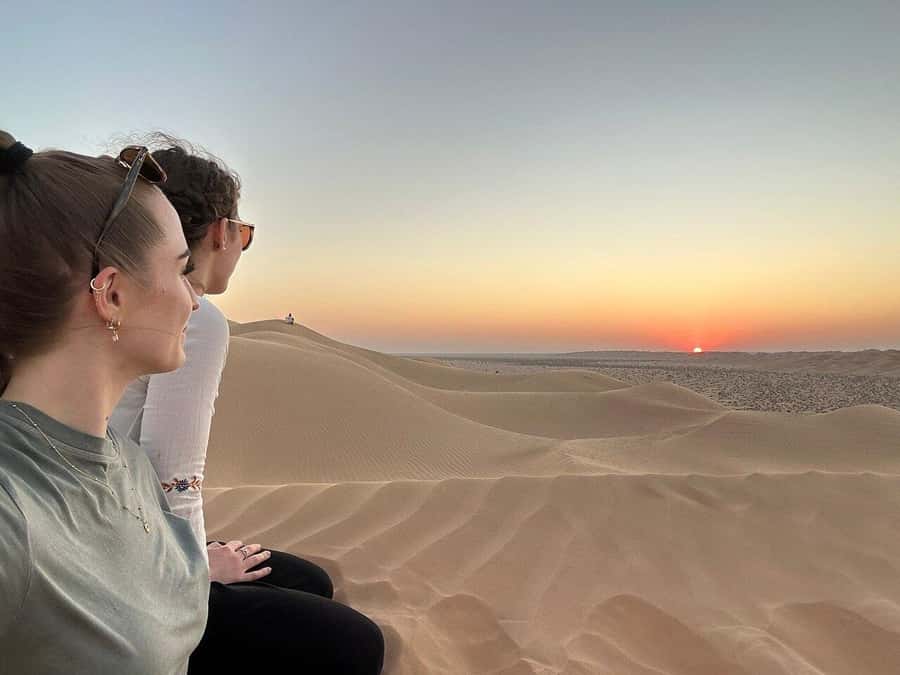
- The final dunes are the big payoff: Rub’ al Khali provides the best setting on this route for sunset and dune driving.
- A private vehicle improves the pace: You can spend more or less time at some stops, depending on the group.
- Guide quality matters here: Mohammed and Abdullah received especially warm praise for their language skills, care, and friendly style.
What this Salalah desert day is really like
This is not a quick excursion from Salalah. It is a full day built around the long run south toward the Empty Quarter, known in Arabic as Rub’ al Khali. The experience combines several stops, so you are not sitting in a vehicle for eight hours without a break. Still, the road time is part of the deal, and you should enjoy wide-open country as much as individual attractions.
Pickup is available from many Salalah hotels, including Fanar Hotel and Residences, Hilton Salalah Resort, Millennium Resort Salalah, Crowne Plaza Resort Salalah, Al Baleed Resort Salalah by Anantara, Salalah Rotana Resort, Juweira Boutique Hotel, and several others. Your guide waits in the hotel lobby, which keeps the start simple.
The vehicle is a private Jeep or SUV. That matters on a long desert outing. You avoid being packed into a large coach, and the guide can adjust the pace for your party. The private setup also gives you a better chance of stopping for photographs or spending extra time at a place that interests you.
The tour includes bottled water, light snacks, coffee or tea, and an English or Italian speaking guide. Meals are not included, so do not assume that the snacks replace lunch. Bring water anyway, especially because the advice for this outing calls for light clothing, sunscreen, and a hat.
More desert safaris in Salalah:
- East Salalah Mountain Safari, Wadi Darbat, Beach, Camels, Dunes
★ 5.0 · 206 reviews - Salalah: Wadi Darbat, Jabal Samhan, Baobab, Mirbat Sand Dune
★ 4.6 · 178 reviews - Sunset Desert Safari Salalah Tour in Rub Al Khali – Empty Quarter
★ 5.0 · 91 reviews
Wadi Dawkha and the old frankincense trees
The first major stop is Wadi Dawkha, a UNESCO World Heritage Site. The wadi is known for ancient frankincense trees, some believed to be centuries old. These are not polished garden trees. Their twisted trunks and spare branches have been shaped by a hard environment, and they look striking against the mountains and dry valley.
I like this opening because it gives the day a cultural and natural foundation before the more dramatic sand dunes. Frankincense has long been tied to Dhofar, and seeing the trees helps explain why this part of Oman mattered to caravan routes and trade. You get a clearer sense of the region than you would from a sunset-only drive.
Plan on about 1.5 hours with a guided visit here. That is enough time for a walk, photographs, and an explanation of the trees. Wear shoes you can walk in comfortably. The tour calls for a moderate amount of walking, and thin sandals may not be your best choice.
The sun can be strong even when the air feels pleasant. A hat and sunscreen are practical, not optional extras. If you enjoy plants, old trade routes, and unusual natural forms, you may find Wadi Dawkha one of the more rewarding stops of the day.
Thumrait, Karak tea, and a taste of local welcome
The route continues to Thumrait, where you stop for local Omani tea called Karak. The visit lasts about an hour and gives you a useful pause between the wadi and the desert sites.
Karak is a sweet, spiced tea served widely in the Gulf. Here, it is part of the welcome rather than a formal tasting session. The included drinks and snacks make the long outing more comfortable, and the tea creates a small connection with everyday Omani life.
One guide also offered dates with the tea, which is a fitting pairing in this region. That detail is not guaranteed as a formal part of the tour, but it shows the kind of hospitality you might receive from the guide.
This stop is not likely to be the reason you book the excursion. Its value is in the break, the local flavor, and the chance to ask questions. Guides such as Mohammed have been praised for speaking excellent Italian, while Abdullah handled an Italian-speaking group in English and even prepared recorded Italian explanations for the sites. Language support may vary, but Arabic, English, and Italian are listed as available languages.
Ubar and the road of frankincense caravans
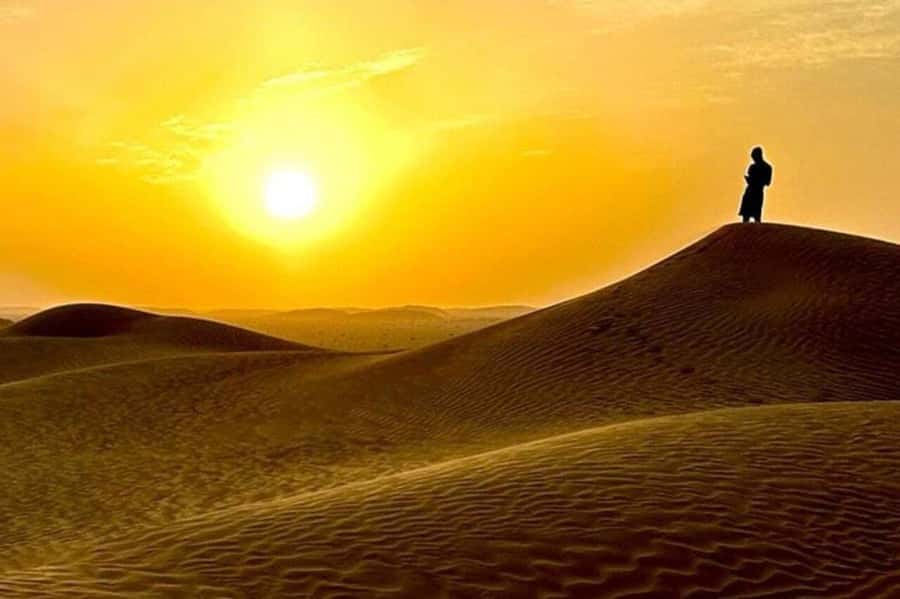
Next comes Ubar, an archaeological site associated with the old frankincense caravan trade. The guided visit lasts about 1.5 hours. Ubar was once a stopping point for caravans moving through the region, making it an important link between the trees of Dhofar and the wider desert routes.
The site adds purpose to the miles you have already covered. Without Ubar, this could feel like a scenic ride to the dunes. With it, the day connects trees, trade, settlements, and desert travel.
Keep your expectations sensible. This is an archaeological stop, not a large restored city with extensive buildings to explore. The appeal comes from the location and the story of the place. Your guide is important because the meaning of the ruins and caravan routes may not be obvious at first glance.
If you like archaeology, take your time with the explanation and ask how Ubar fitted into the frankincense trade. If you mainly want dramatic scenery, this may feel slower than the later desert section. The private format helps because you can tell the guide how much time you want to give each stop.
More things to do in Salalah:
- Mountain Safari Private Tour
★ 5.0 · 105 reviews - Salalah: Sunset Desert Safari – Rub Al Khali – Empty Quarter
★ 4.6 · 79 reviews - West Salalah Tour – Caribbean of Orient – Fazayah Beach with City
★ 5.0 · 74 reviews - West Salalah: Caribbean of the Orient Fazayah Beaches & City
★ 4.5 · 60 reviews
Meeting the black camels
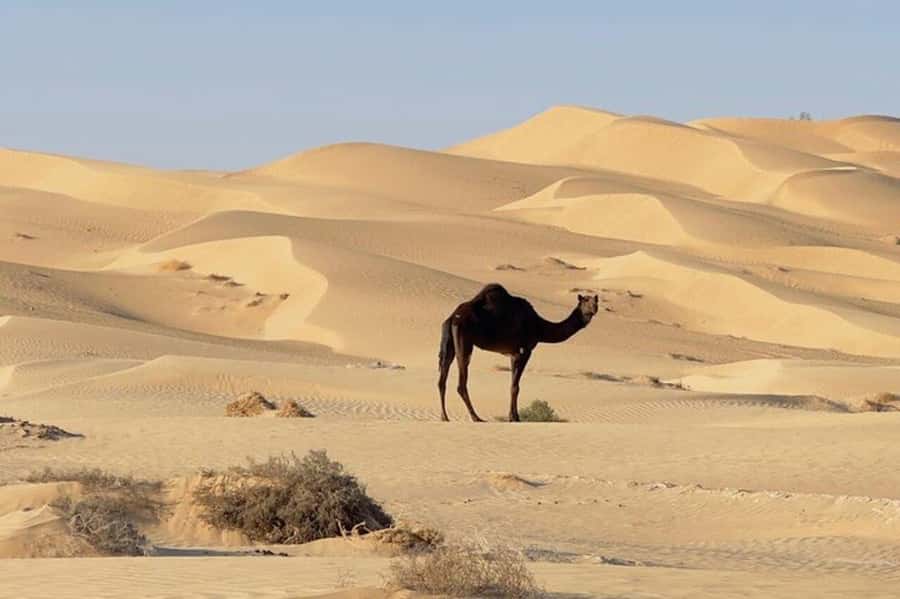
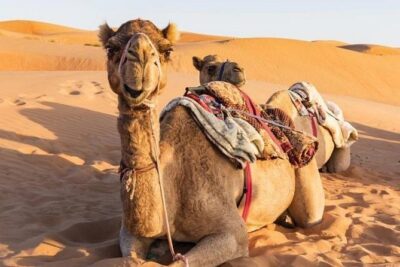
The tour also includes a visit to see black camels, described as a rare and fascinating breed. This is a more unusual stop than a standard camel photo opportunity. You are not simply looking at the same sandy-colored animals found across many desert regions.
The camel visit gives the journey a living connection to local rural life. It also breaks up the archaeological and scenic stops with something direct and memorable. Keep your camera ready, but remember that this is an animal encounter, not a camel-riding activity. Nothing in the tour details promises a ride.
The timing of this stop is not given separately, so your guide will fit it into the route. That flexibility is useful on a private trip, especially if the group wants more time at the animals or needs to move along to reach the dunes near sunset.
Entering Rub’ al Khali by Jeep
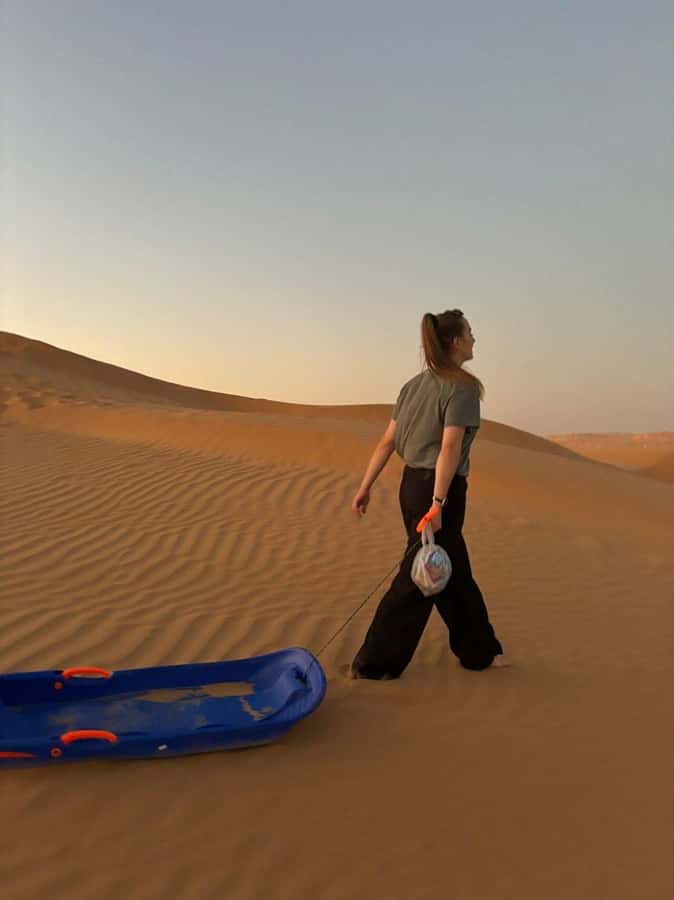
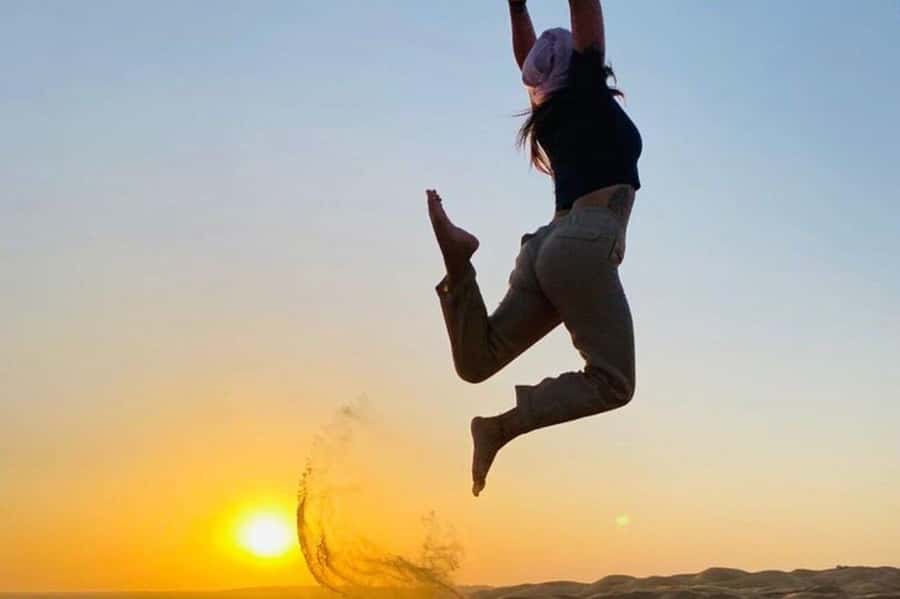
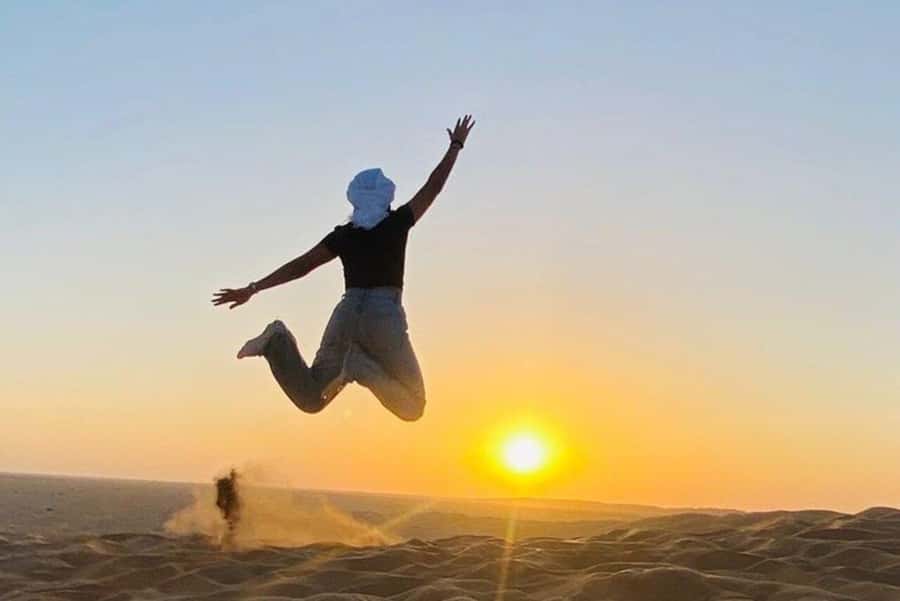
The final destination is Rub’ al Khali, the largest sand desert in the world. This is where the trip changes from a cultural road journey into a proper desert outing. The dunes are the main visual reward, with sweeping sand, high ridges, and very little around you to interrupt the view.
The schedule allows about 2.5 hours for the final visit, photo stops, guided time, and sunset. That is the part most people will remember. The Jeep may take you over the dunes in a form of dune driving often called dune bashing. Expect movement, slopes, and a more playful ride than ordinary road travel.
The private vehicle makes a difference here. You can ask the driver to pause for photographs or spend time away from other vehicles when conditions allow. One especially appealing detail is that the group was able to park away from the crowds for a quieter sunset.
Do not expect perfect silence every time. A vehicle stuck in the sand can bring dust and engine noise into an otherwise beautiful moment. Rubbish on the sand has also been noticed, which is a reminder that even a spectacular desert needs better care. These issues may be occasional, but they are worth knowing about if you expect a completely untouched setting.
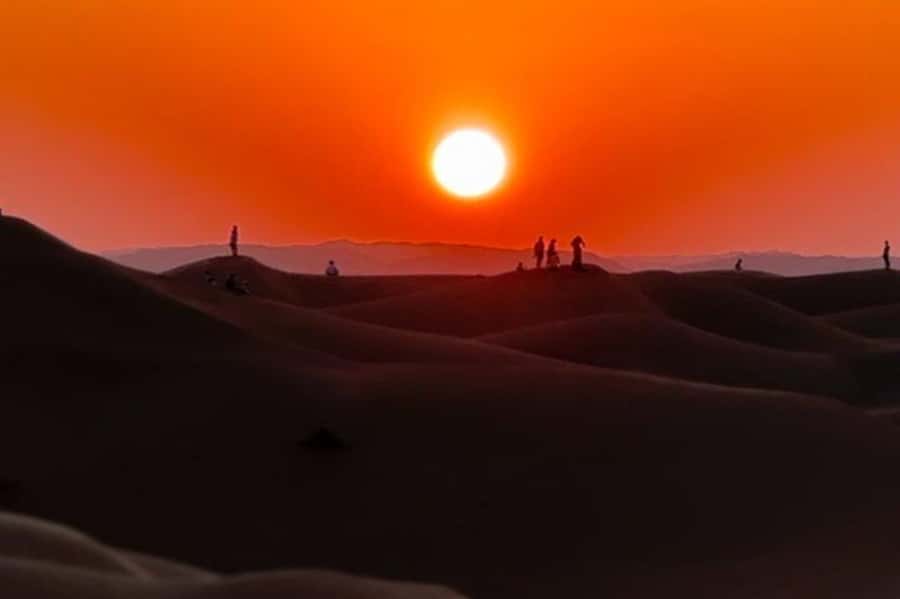
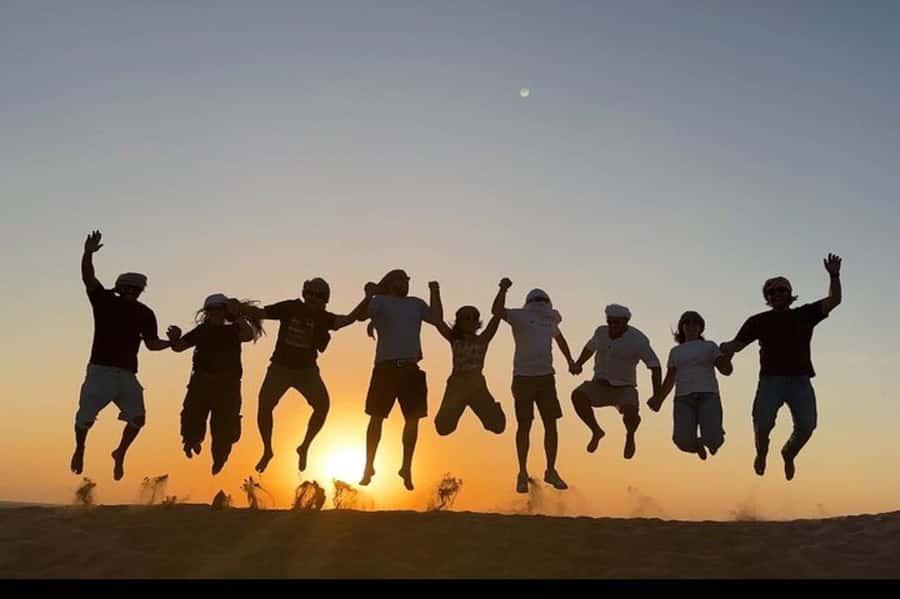
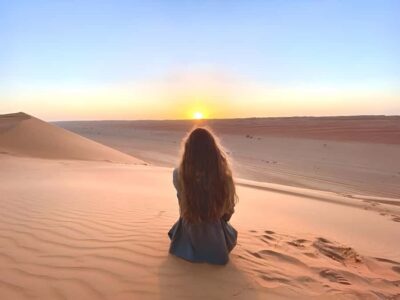
The sunset itself is the clear high point. From tall dunes, the changing light gives the sand strong shadows and warm color. You will want your camera, but leave time to put it down and simply watch. The tour provides a cup of tea and refreshments, which suit the cool, open feeling of the desert after the heat of the day.
The guides can shape the whole experience
A long desert excursion depends heavily on the driver and guide. Recent feedback gives Mohammed and Abdullah special credit, and for good reason. The guide is not only taking you from one point to another. He explains the region, manages the timing, drives the desert route, and helps you feel comfortable during a long day.
Mohammed was praised for excellent Italian, a professional manner, and a friendly approach. He also received credit for explaining Omani culture and the natural surroundings without overwhelming the group. Abdullah was described as punctual, warm, and able to communicate clearly with an Italian-speaking group despite speaking English. His recorded site explanations and easy humor made the ride more personal.
You should still confirm your preferred language when booking. Arabic, English, and Italian are listed, but the individual guide assigned to you may not speak every language. The available information also names a live guide rather than a recorded bus narration, which is a real advantage when you want to ask questions.
The private group option suits couples, families, and friends who prefer a relaxed pace. It also helps if some people want photographs while others would rather move on. The day is more personal than a fixed large-group outing, though the quality of the experience will always depend on the guide and the road conditions.
Is the $90 price good value?
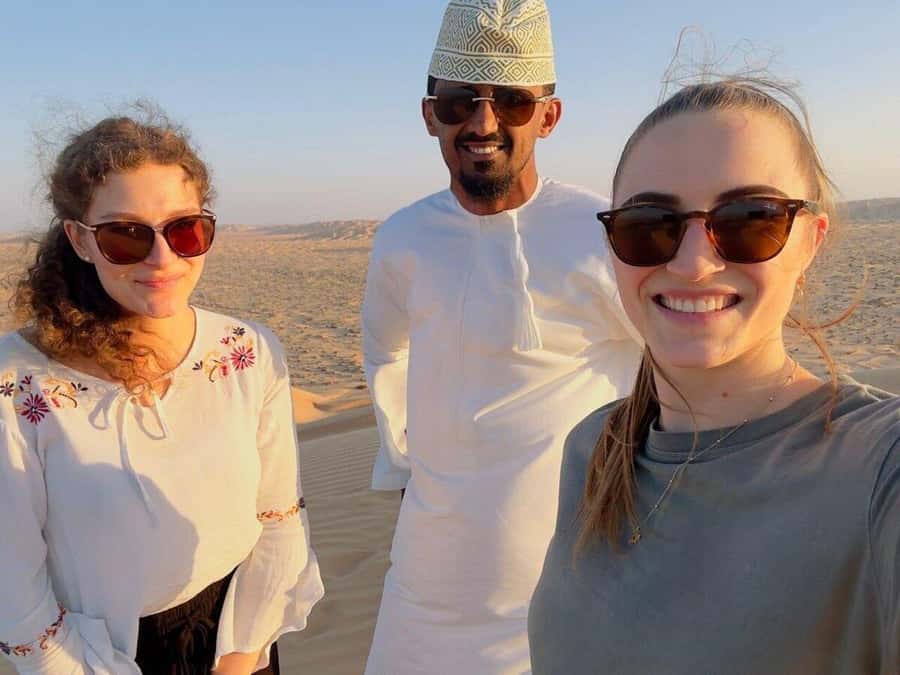
At about $90 per person, this is a fair price if you want several experiences in one day rather than a simple desert transfer. The cost includes private Jeep or SUV transport, a guide, hotel pickup and drop-off, water, light snacks, and coffee or tea. You also get access to a route that combines two UNESCO World Heritage locations, Ubar, black camels, and the Rub’ al Khali sunset.
The value is strongest for a small private party. You are paying for a long day, vehicle time, guiding, and the flexibility of a private group. If you only want to see dunes for an hour, this tour may be more than you need. If you want context and several stops, the price makes better sense.
Meals and personal expenses are not included. Since the tour runs for most of the day, ask about food arrangements before setting out or plan to eat beforehand. The provided snacks and drinks are useful, but they should not be treated as a full meal.
The advertised duration is shown as 8 hours to 2 days, with starting times dependent on availability. The detailed plan reads like a full-day outing, so confirm the exact start and return time when you reserve.
What to bring and who should skip it
Wear light clothing and comfortable walking shoes. Add a hat, sunscreen, a camera, and extra water. These simple items matter because the route includes walking at Wadi Dawkha, open desert exposure, and time outside the vehicle.
Smoking is not allowed. The tour is not suitable for pregnant women, people with back problems, or wheelchair users. The dune driving and moderate walking are the main reasons to take those restrictions seriously.
I would recommend this outing to you if you want more than a scenic drive. It works particularly well for people interested in frankincense, archaeology, local tea, unusual animals, and desert photography. It is also a good match if you prefer a private vehicle and want the guide to adjust the pace.
You may want another option if long road journeys bother you, if you need a fully accessible vehicle, or if your only priority is a quiet and pristine sunset. The route is broad in scope, but that also means a substantial amount of time on the road.
Should you book this Salalah safari?
I would book it if you have a full day in Salalah and want the Rub’ al Khali to make sense as part of Dhofar’s culture and trade story. The sunset and dune drive are the headline attractions, but Wadi Dawkha, Ubar, Karak tea, and the black camels give the trip much more substance.
The strongest reason to choose this version is the private format. You can ask for more time at the frankincense trees, keep the Ubar visit focused, or look for a quieter place to watch the sun drop. Just prepare for a long ride, bring protection from the sun, and keep your expectations realistic about occasional noise or litter in the desert.
With a 4.9 rating from 21 reviews and repeated praise for Mohammed and Abdullah, the experience has a strong record. Confirm the guide language and exact timing, then book if you want a full, varied day rather than a short sunset outing.
FAQ
How long does the Salalah desert safari last?
The activity is listed as lasting from 8 hours to 2 days, depending on availability and the selected arrangement. The detailed route describes a full-day tour.
What places does the tour visit?
The route includes Wadi Dawkha, Thumrait, the archaeological site of Ubar, a black camel stop, and the Rub’ al Khali desert.
Is hotel pickup included?
Yes. Pickup and drop-off are included from a range of Salalah hotels, and the guide waits in the hotel lobby.
What type of vehicle is used?
Transportation is provided by a private Jeep or SUV.
Is the tour private?
A private group option is available, and the transportation is described as a private Jeep or SUV.
Which languages are available?
The listed live guide languages are Arabic, English, and Italian.
Is food included?
Meals are not included. The tour does include light snacks, bottled water, coffee, and tea.
What should I bring?
Bring comfortable walking shoes, light clothing, a hat, sunscreen, a camera, and water.
Is the tour suitable for people with back problems or wheelchair users?
No. The activity is not suitable for pregnant women, people with back problems, or wheelchair users.
Just added in Salalah
- West of Salalah private tour – fascinating mountains and beaches★ 5.0 · 9 reviews
- Salalah White Beaches & Panoramic Views of sea (Full Day Tour)★ 5.0 · 1 review
- Where Sea Meets Rock: A Scenic Journey to West Salalah’s Shores★ 5.0 · 5 reviews
- West Salalah Tour by VisitSalalah★ 5.0 · 6 reviews
- West Salalah Beaches and Blowholes★ 5.0 · 7 reviews
- Explore Samhan Mountain – Half-Day Getaway with Lunch Included.★ 5.0 · 10 reviews
- Private tour – Empty Quarter desert adventure – Wadi Dawka + Ubar★ 5.0 · 5 reviews
- Salalah East & West Combination★ 5.0 · 2 reviews
Oman Desert Safaris, compared.
Wahiba Desert and Wadi Bani Khalid Guided Group Tour
Read our review →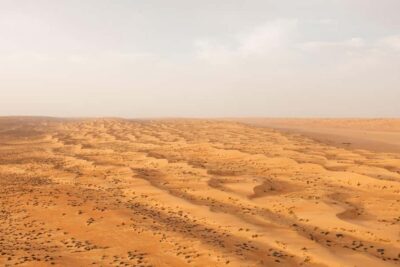

Full-Day Private Wahiba Sands Desert and Wadi Bani Khalid Tour
Read our review →
East Salalah Mountain Safari, Wadi Darbat, Beach, Camels, Dunes
Read our review →
Wadi Darbat, Jabal Samhan, Baobab, Mirbat Sand Dune
Read our review →Browse the lists this tour appears in