
REVIEW · SALALAH TOURS
Half day Splendors of the East Tour
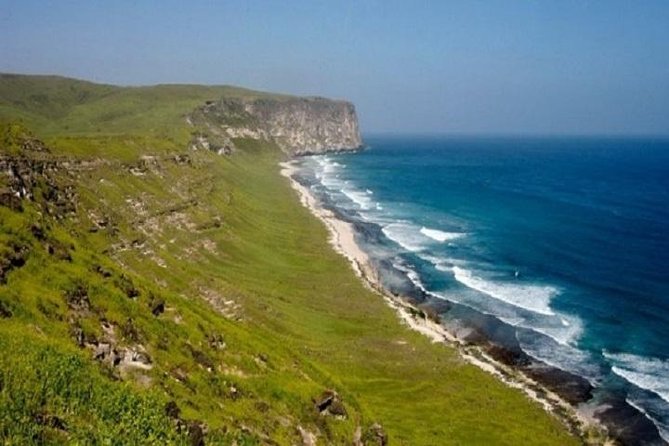
Step beyond Salalah’s resort strip. This private outing takes you east through Taqah, Sumhuram, Mirbat, and Ain Razat, linking old villages, an incense port, a 14th-century tomb, and the foothills of the Qara Mountains.
I like the way the tour mixes major sights with places that are easy to miss without local transport. I also like the private format, which gives your group of up to four its own vehicle, driver-guide, pickup, and return transfer. The main drawback is the pace: five stops in roughly three to five hours can feel brisk, especially if you want long visits at the castle and archaeological site.
In This Review
- What makes this half-day tour worthwhile
- From Salalah to Taqah, the eastern road begins
- Taqah Castle and the governor’s former home
- Sumhuram, the ancient incense port at Khor Rori
- Mirbat, old houses and an uneasy past
- Bin Ali Tomb, a brief sacred landmark
- Ain Razat closes the day beside the Qara Mountains
- What the private format adds
- What to expect from the guide and transport
- Who should book this eastern Oman tour?
- Booking, cancellation, and practical planning
- My recommendation: book it for variety and value
- FAQ
- How much does the Splendors of the East Tour cost?
- How long does the tour last?
- Is hotel pickup included?
- Is this a private tour?
- What places does the tour visit?
- Are entrance fees included?
- Can cruise ship passengers book this tour?
- What happens if I need to cancel?
What makes this half-day tour worthwhile
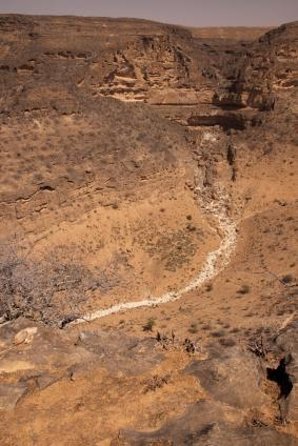
- A private group price of $255 covers up to four people, making the cost much more reasonable when shared.
- Taqah Castle and Sumhuram give you two different views of Dhofar, one focused on local government and domestic life, the other on ancient trade.
- Mirbat adds a less polished side of Oman, with old merchant houses, a castle, Arabian horse connections, and a past tied to slave trading.
- The route follows old incense-country connections, linking Dhofar to trade between the Mediterranean, Persian Gulf, and India.
- Ain Razat ends the tour gently, with a natural spring and park at the foot of the Qara Mountains.
- Cruise passengers can use the service, but must provide ship and port timing details when booking.
From Salalah to Taqah, the eastern road begins
The tour starts with pickup in Salalah and heads east toward Taqah. Transport is by private vehicle, and fuel, local taxes, national park fees, bottled water, and round-trip transfers are included in the price.
That all matters in Dhofar. The route moves from the settled coast toward old villages, archaeological remains, and mountain country. A local driver-guide handles the driving, so you can watch the scenery instead of working out remote tracks and turnoffs yourself.
On the way, you pass the Royal Farm and Marmura House. These are brief roadside glimpses rather than major scheduled visits, but they help set the scene before Taqah. The journey is not only about checking off monuments. It shows how quickly the surroundings change once you leave central Salalah.
Taqah itself is known for dried sardines and traditional Dhofari houses. The old houses are the most interesting part for anyone curious about local building styles and daily life. They provide a useful contrast to the grander stone remains you see later at Sumhuram.
The stop is scheduled for about an hour, with no admission charge. That gives you time to look around without turning Taqah into a rushed roadside pause. Still, the exact balance depends on the guide and traffic, since the entire outing is short.
More things to do in Salalah:
- East Salalah Mountain Safari, Wadi Darbat, Beach, Camels, Dunes
★ 5.0 · 206 reviews - Salalah: Wadi Darbat, Jabal Samhan, Baobab, Mirbat Sand Dune
★ 4.6 · 178 reviews - Mountain Safari Private Tour
★ 5.0 · 105 reviews
Taqah Castle and the governor’s former home
Taqah Castle is a compact historical stop with a clear purpose. It once served as the official residence of the governor of Taqah, giving the building a direct connection to the administration of the village.
You have about 30 minutes here, and admission is included. That is enough for a focused visit, though not a slow, detailed study of every room. If you enjoy Omani forts and castles, you will probably wish this stop had more time. If you prefer a varied half-day route, the short visit keeps the day moving.
The castle also makes more sense after seeing Taqah’s traditional homes. You get a quick look at both ordinary village architecture and the residence connected with local authority. I find that pairing more useful than visiting a fort in isolation.
Keep your expectations sensible. This is not a full-day castle tour or an extended museum visit. It is one chapter in a route that keeps shifting between village life, trade, religion, and nature.
Sumhuram, the ancient incense port at Khor Rori
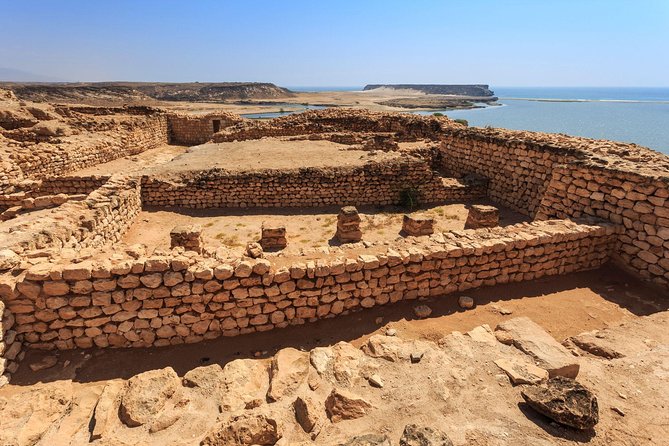
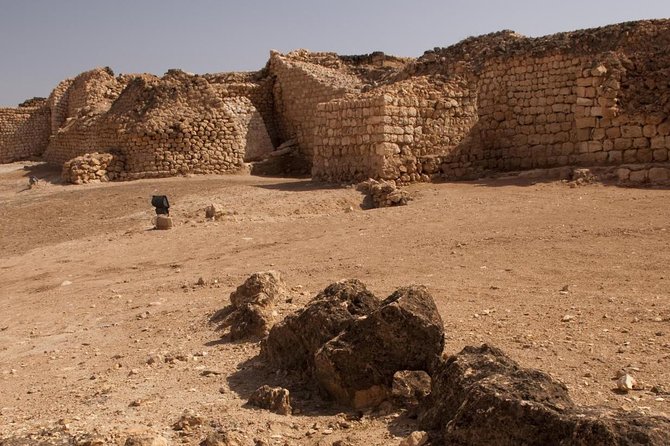
East of Taqah, the tour reaches Sumhuram, also called Khor Rori. This is the central historical stop, with about an hour set aside and admission included.
Sumhuram was an eastern outpost of the Hadramawt Kingdom and an important port on the ancient incense route. Frankincense moved through Dhofar toward the Mediterranean, the Persian Gulf, and India, so these ruins connect Oman to a trading world far larger than the modern coastal towns suggest.
The site is also part of a UNESCO World Heritage area. That status reflects its importance as a place tied to frankincense production and shipping, not simply its appearance as old stone walls. As you move around the remains, try to picture the port as a working link in a long-distance trade network rather than only as an archaeological ruin.
The Queen of Sheba connection adds drama, but treat it as a local belief or tradition, not a confirmed fact. The site is sometimes associated with her palace, yet the stronger historical point is Sumhuram’s documented role in incense trade.
One hour is a useful amount of time for a first visit. You can see the main remains and understand why the location mattered without spending the whole day among the ruins. The tradeoff is that anyone who likes archaeology in detail may want more time for close inspection.
This is also where a guide can make a real difference. A private driver-guide can explain the connection between the port, frankincense, and the wider Dhofar region while keeping an eye on the clock. The supplied information does not name the guide, and the operator notes that a multilingual guide may be available for an extra charge.
Mirbat, old houses and an uneasy past

The coastal road continues to Mirbat, an old town associated with Arabian horses and the slave trade. The stop lasts about an hour and has no separate admission charge.
Mirbat gives the tour a different tone. Taqah introduces Dhofari village life, while Sumhuram takes you back to ancient commerce. Mirbat brings you into the era of merchant houses, coastal trade, and the complicated history of human movement through the region.
The old merchant houses are especially useful for understanding how trade shaped the town. Their presence suggests a place built around commerce rather than only farming or fishing. You also pass Mirbat Castle, adding another piece to the town’s military and civic story.
The reference to a former slave trading route should not be treated as a colorful footnote. It is a difficult part of the region’s past, and it gives the stop historical weight. The tour presents Mirbat as more than a pretty old town, which is one of its strengths.
Mirbat is also linked with Arabian horses. That detail gives you another way to understand the town’s former importance and reputation. The stop is broad rather than deeply specialized, so you should expect an overview of the town, not an extended museum-style examination.
A completely different kind of day:
- Sunset Desert Safari Salalah Tour in Rub Al Khali – Empty Quarter
★ 5.0 · 91 reviews - Salalah: Sunset Desert Safari – Rub Al Khali – Empty Quarter
★ 4.6 · 79 reviews - West Salalah Tour – Caribbean of Orient – Fazayah Beach with City
★ 5.0 · 74 reviews - West Salalah: Caribbean of the Orient Fazayah Beaches & City
★ 4.5 · 60 reviews
Bin Ali Tomb, a brief sacred landmark
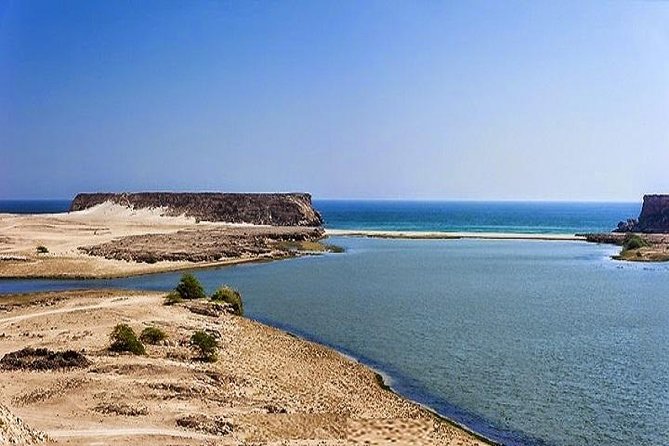
The route includes a photo stop at the Bin Ali Tomb, which dates to the 14th century. It is not given a separate timed admission visit, so expect a short pause rather than a long stay.
This stop works well as a break between Mirbat and Ain Razat. A 14th-century tomb adds a religious and historical layer to a day already filled with ports, castles, and old houses. It also shows how the route moves beyond the most familiar fort-and-ruin pattern.
Since it is a photo stop, dress and behave respectfully. The tour details do not promise an interior visit or a guided religious explanation. You should see it as a chance to appreciate the building and setting, take photographs where appropriate, and continue on.
Ain Razat closes the day beside the Qara Mountains
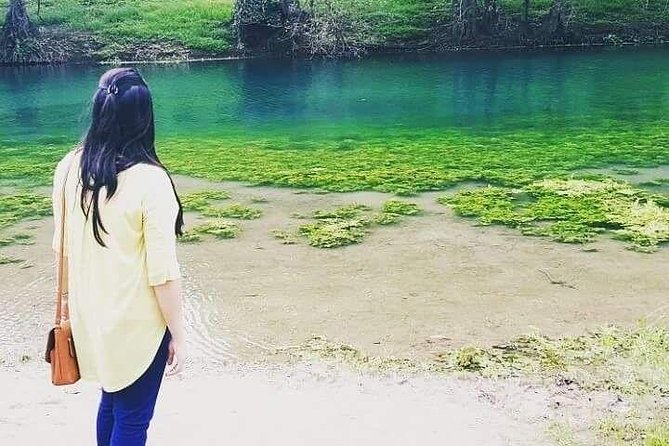
The last scheduled stop is Ain Razat, a natural spring in a park surrounded by hills at the foot of the Qara Mountains. The visit lasts about 30 minutes and admission is free.
After several historical sites, Ain Razat changes the rhythm. The spring and park offer a quieter finish, with the focus shifting from old walls and trade routes to water, trees, and mountain scenery. It is a small but sensible ending to an active route.
Do not expect a long nature walk from the scheduled half-hour. The tour gives you time to see the spring area and enjoy the setting, but not an extended hike or broad mountain excursion. If you want more time outdoors, this is one place where the short format may leave you wanting more.
Still, Ain Razat helps explain why Dhofar has long supported settlements and trade. Water sources at the foot of the mountains have practical importance, and the contrast with the drier country along parts of the route makes the spring feel particularly welcome.
What the private format adds
The tour costs $255 per group of up to four people. For one person, that is expensive for a half-day outing. For four people sharing the vehicle, it works out to $63.75 per person before any optional multilingual guide charge.
That makes the price easiest to justify for a family or small group. You are paying for a private vehicle, fuel, local taxes, national park fees, bottled water, hotel or port pickup, return transfer, and a driver-guide. You are not just paying for entrance tickets.
The private setup also matters if your schedule is tight. You do not have to wait for a large group at every stop, and cruise passengers can arrange the tour around their ship’s docking, disembarkation, and re-boarding times. The operator requires those details at booking, so have them ready.
The duration is listed as approximately three to five hours. That range is important. The route contains several stops, and driving between them takes time. Your actual day may depend on pickup location, road conditions, how long you spend at each site, and the pace set by the guide.
The tour is described as suitable for most people, with children required to travel with an adult. A current valid passport is required on the day of travel. Those are easy requirements to overlook, especially if you are visiting Salalah during a cruise stop.
What to expect from the guide and transport
You receive a local driver-guide, and the tour is operated as a private activity for your group only. That is a strong advantage in an area where several places are spread along roads and remote tracks.
The guide’s role is especially useful at Sumhuram and Mirbat. The stones at an ancient port do not explain themselves, and the meaning of old merchant houses or a former trading route can be lost without context. A local guide can connect the stops into one story about Dhofar’s coast, mountains, water, and commerce.
The operator says a multilingual guide may be available for an extra charge. If language support matters to you, confirm the cost and availability before travel rather than assuming it is included.
Hotel and port pickup and drop-off are included. That makes the tour practical for a short Salalah stay and particularly useful for cruise passengers who want a structured shore excursion without arranging separate taxis.
Who should book this eastern Oman tour?
I would choose this outing if you want to see more than Salalah’s central sights in a limited amount of time. It suits people interested in history, old towns, frankincense, and local scenery, rather than anyone seeking a slow beach day.
It is also a good fit for a small group. Four people can share the fixed price, and a private vehicle makes the cost easier to accept. Families can join, provided children are accompanied by an adult, though the mix of stops may appeal more to older children who can enjoy castles and archaeological sites.
Cruise passengers are another natural match. The included port transfer and private schedule remove much of the guesswork, but you must provide accurate ship timing when you book. Leave enough margin before re-boarding, since the tour includes several roads and stops.
I would hesitate if your main goal is a long archaeological visit, a serious hike, or extended time at one attraction. The route is broad and efficient. You see several important places, but no single stop receives a full morning or afternoon.
Booking, cancellation, and practical planning
You receive confirmation at booking unless you book within three days of departure. For bookings made inside that window, confirmation may arrive within 48 hours and remains subject to availability.
Free cancellation is available up to 24 hours before the local start time for a full refund. Changes or cancellations inside that 24-hour period are not accepted for a refund.
The tour is booked an average of 68 days in advance, which suggests that early planning is sensible, especially for a cruise date or a particular travel day. The experience has a top rating from the supplied customer feedback, including a cruise passenger who described choosing the half-day outing as the best decision of the trip. That praise points to the tour’s strongest quality: it can turn a short Salalah stop into a well-organized introduction to eastern Dhofar.
My recommendation: book it for variety and value
Book the Splendors of the East Tour if you want a private, time-efficient route through Taqah, Sumhuram, Mirbat, Bin Ali Tomb, and Ain Razat. Its best feature is the variety: village homes, a governor’s castle, an ancient incense port, old merchant houses, a 14th-century tomb, and a mountain spring all fit into one outing.
The value improves sharply with three or four people sharing the $255 group price. I would also recommend it to cruise passengers who want transport and sightseeing handled together.
Skip it if you prefer a slow schedule or want to study one site in depth. For most small groups with only half a day in Salalah, though, this is a practical way to reach eastern Oman’s historic coast and see a side of Dhofar that is difficult to arrange on your own.
FAQ
How much does the Splendors of the East Tour cost?
The tour costs $255 per group of up to four people.
How long does the tour last?
The tour lasts approximately three to five hours.
Is hotel pickup included?
Yes. Hotel pickup and drop-off are included, along with port pickup and drop-off.
Is this a private tour?
Yes. Only your group participates in the private tour or activity.
What places does the tour visit?
The route includes Taqah, Taqah Castle, Sumhuram Old City at Khor Rori, Mirbat, Bin Ali Tomb, and Ain Razat.
Are entrance fees included?
Admission to Taqah Castle and Sumhuram Old City is included. National park fees are also included. Taqah, Mirbat, Bin Ali Tomb, and Ain Razat are listed without separate admission charges.
Can cruise ship passengers book this tour?
Yes. Cruise passengers must provide the ship name, docking time, disembarkation time, and re-boarding time when booking.
What happens if I need to cancel?
You can cancel up to 24 hours before the local start time for a full refund. Cancellations or changes made less than 24 hours before departure are not accepted for a refund.
Just added in Salalah
- Salalah White Beaches & Panoramic Views of sea (Full Day Tour)★ 5.0 · 1 review
- West of Salalah private tour – fascinating mountains and beaches★ 5.0 · 9 reviews
- Where Sea Meets Rock: A Scenic Journey to West Salalah’s Shores★ 5.0 · 5 reviews
- West Salalah Tour by VisitSalalah★ 5.0 · 6 reviews
- West Salalah Beaches and Blowholes★ 5.0 · 7 reviews
- Explore Samhan Mountain – Half-Day Getaway with Lunch Included.★ 5.0 · 10 reviews
- Private tour – Empty Quarter desert adventure – Wadi Dawka + Ubar★ 5.0 · 5 reviews
- Salalah East & West Combination★ 5.0 · 2 reviews
Salalah Tours, compared.
East Salalah Mountain Safari, Wadi Darbat, Beach, Camels, Dunes
Read our review →
Wadi Darbat, Jabal Samhan, Baobab, Mirbat Sand Dune
Read our review →
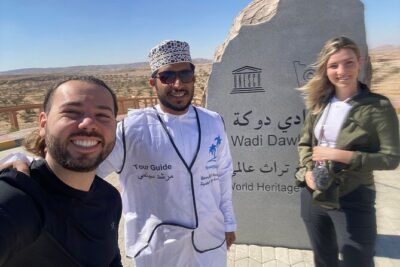
Sunset Desert Safari Salalah Tour in Rub Al Khali – Empty Quarter
Read our review →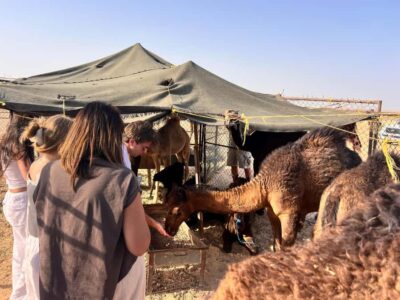
Sunset Desert Safari – Rub Al Khali – Empty Quarter
Read our review →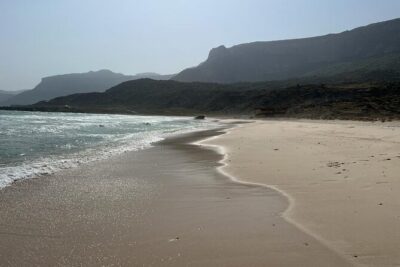
West Salalah Tour – Caribbean of Orient – Fazayah Beach with City
Read our review →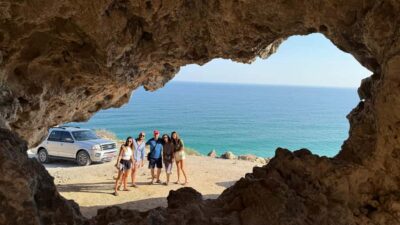
West Salalah: Caribbean of the Orient Fazayah Beaches & City
Read our review →
Salalah City Tour: Discover the Best of Oman’s Coastal Gem
Read our review →Browse the lists this tour appears in