
REVIEW · SALALAH TOURS
East Salalah Tour by VisitSalalah
Salalah’s east side changes by the season. VisitSalalah’s East Salalah tour packs coastal towns, old forts, mountain springs, waterfalls, frankincense history, and a surprising number of camels into one outing. I like the private 4×4 transport, which makes rougher roads and scenic stops easier, and I like having a local Omani English-speaking guide to explain Dhofar’s culture rather than simply point at the sights. The main caution is timing: the activity is advertised as four hours, but the itinerary also refers to an eight-hour guided visit to Wadi Darbat. Confirm the actual schedule before booking.
This is a small-group trip for up to seven people, with pickup from your Salalah hotel, the airport, or the seaport. Guide Mohammed receives especially warm praise for his politeness, professionalism, English, and knowledge of the region. One Italian visitor found the English difficult to follow, so communication may depend on the guide assigned and your own comfort with spoken English.
In This Review
- Key things to know before you go
- Why the eastern route is worth your time
- Starting near Ain Razat
- Taqa old village, castle, and cliff views
- Wadi Darbat and the power of Khareef
- Sink holes, baobab trees, and the antigravity stop
- Sumhuram and the frankincense trade at Khor Rori
- The guide and the small-group setup
- Duration, pickup, and the timing question
- What to bring and what to skip
- Who will enjoy this tour most?
- Should you book VisitSalalah’s East Salalah tour?
- FAQ
- How much does the East Salalah tour cost?
- How long does the tour last?
- What places are included?
- Is transportation included?
- Is a guide included?
- How many people can join?
- Are entrance tickets included?
- Can lunch be provided?
- Is the tour suitable for wheelchair users?
Key things to know before you go
- Wadi Darbat is the star in Khareef: Monsoon water can create waterfalls as high as 30 meters, lakes, green growth, and cave chambers.
- Taqa gives the tour a human scale: Its old village, castle, heritage house, and cliff-top Burj Al Askar show Dhofari life beyond scenic viewpoints.
- Sumhuram connects the day to frankincense: The ancient port belongs to the UNESCO Land of Frankincense site at Khor Rori.
- The 4×4 matters: You will encounter rough and inclined ground, and the vehicle is better suited to the area than an ordinary sedan.
- Camels are part of the scenery: The route can bring you close to large herds, one of the most memorable details highlighted by past guests.
- Entrance fees are extra: Taqa Castle costs OMR 3, Koofan Heritage House OMR 1, and Burj Al Askar OMR 1, with entry optional.
Why the eastern route is worth your time
Salalah is often associated with Khareef, the seasonal monsoon that turns parts of Dhofar green. The eastern route shows you that the region is more than misty hills and wet-season waterfalls. You get springs, an old coastal settlement, an ancient trading port, dry rock formations, and broad mountain views in one compact trip.
I especially like the mix of places that require different kinds of attention. At Taqa, you look at buildings and local history. At Wadi Darbat, you watch for water, camels, caves, and changing scenery. At Sumhuram, you connect the coast to the frankincense trade that helped make southern Oman important long before modern tourism.
The tour costs $160 per person. That is not a budget sightseeing ride, but the price includes a private 4×4, an English or Arabic-speaking licensed Omani guide, hotel or transport-terminal pickup, snacks, and water. For a small group, that can be fair value, especially if you prefer a guide who handles the driving and route rather than arranging a rental car yourself.
You should also budget for optional entries. If you visit all three named paid sites, the listed fees total OMR 5 per person: OMR 3 for Taqa Castle, OMR 1 for Koofan House, and OMR 1 for Burj Al Askar. Lunch is not included, but a local Omani lunch can be arranged for an additional OMR 5 per adult.
More things to do in Salalah:
- East Salalah Mountain Safari, Wadi Darbat, Beach, Camels, Dunes
★ 5.0 · 206 reviews - Salalah: Wadi Darbat, Jabal Samhan, Baobab, Mirbat Sand Dune
★ 4.6 · 178 reviews - Mountain Safari Private Tour
★ 5.0 · 105 reviews
Starting near Ain Razat
The eastern experience begins around Ain Razat, a collection of natural springs that helps explain why water matters so much in Dhofar. Some springs run throughout the year, while others appear only during Khareef. The area also serves as one of Salalah’s main water sources.
You may find Ain Razat especially appealing if you want a gentle start before the more rugged parts of the route. It provides a natural setting and a useful introduction to the region’s seasonal changes. Do not expect every spring to look the same throughout the year. The amount of water depends heavily on the season.
The supplied tour details place Ain Razat at the start of the experience, although it is not included in the shorter highlights list. Ask for the exact sequence when you confirm your pickup time. This is one of several reasons I would clarify the schedule before paying, since the published duration also varies.
Taqa old village, castle, and cliff views
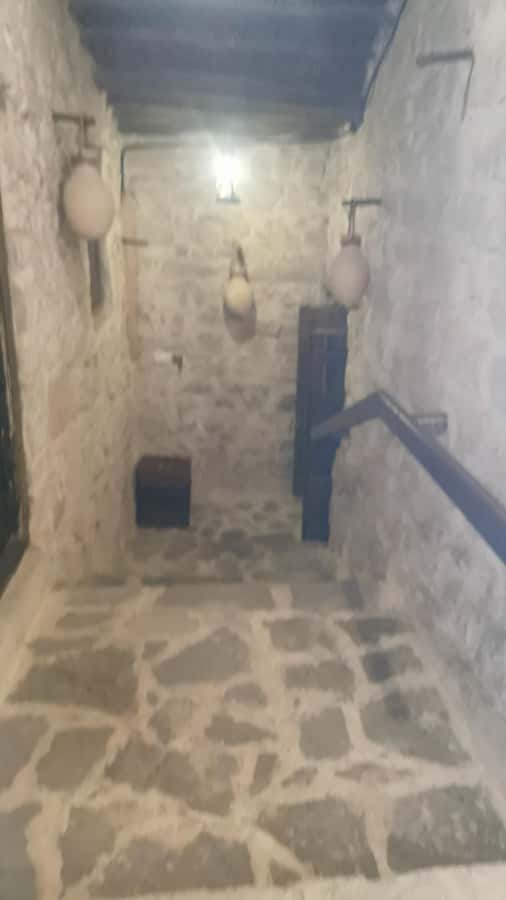
Taqa is a coastal town with an older side that gives the tour a strong sense of place. The 19th-century Taqa Castle is the main historical stop. Its architecture and setting help you picture the town as more than a roadside pause between Salalah and Wadi Darbat.
Entry to the castle is optional and costs OMR 3. If you care about local architecture and want time indoors, I consider this the most worthwhile of the three paid Taqa entries. If you are mainly interested in scenery, you may prefer to save the fee and spend more time at the viewpoints or outdoors.
Koofan Heritage House offers a different kind of history. This 150-year-old Dhofari house focuses on domestic life and traditional building rather than fortification. The OMR 1 entry is modest, and I like the way it adds personal scale to a visit otherwise dominated by castles, cliffs, and ancient trade.
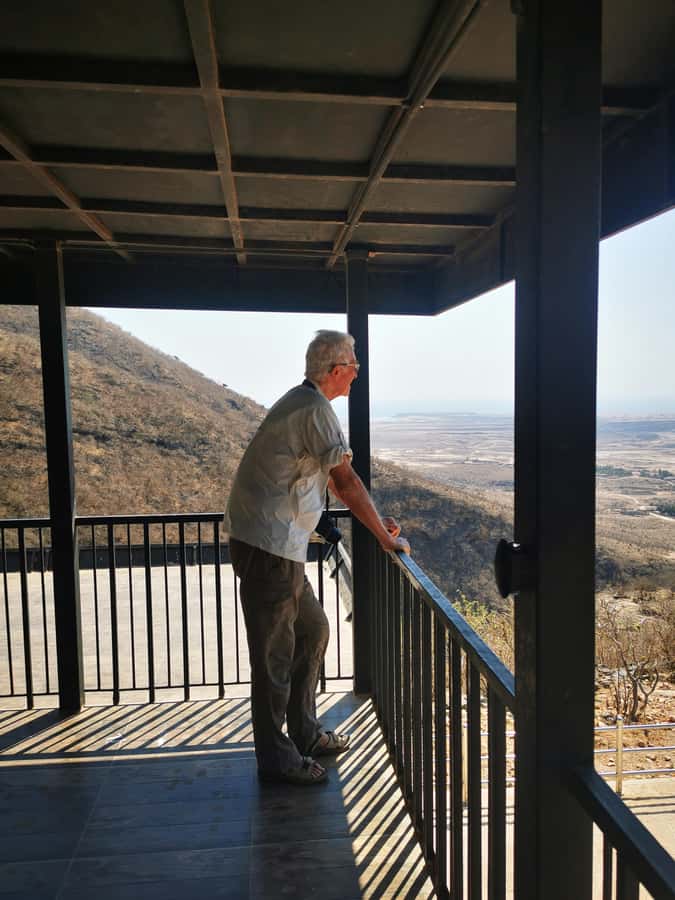
Burj Al Askar is a newer attraction set at the top of the cliff. From there, you can look over the castle and coast. Its OMR 1 entry makes it an inexpensive option for a wider view, though visitors who dislike steep or uneven ground should take care. The tour information specifically warns that walking takes place on rough and inclined surfaces.
Taqa works best when you give it more than a quick photo stop. Ask Mohammed, or whichever guide leads your trip, to explain what you are seeing. The guide’s local perspective is a major part of the value here. Without it, the castle and house risk becoming attractive but disconnected buildings.
Wadi Darbat and the power of Khareef
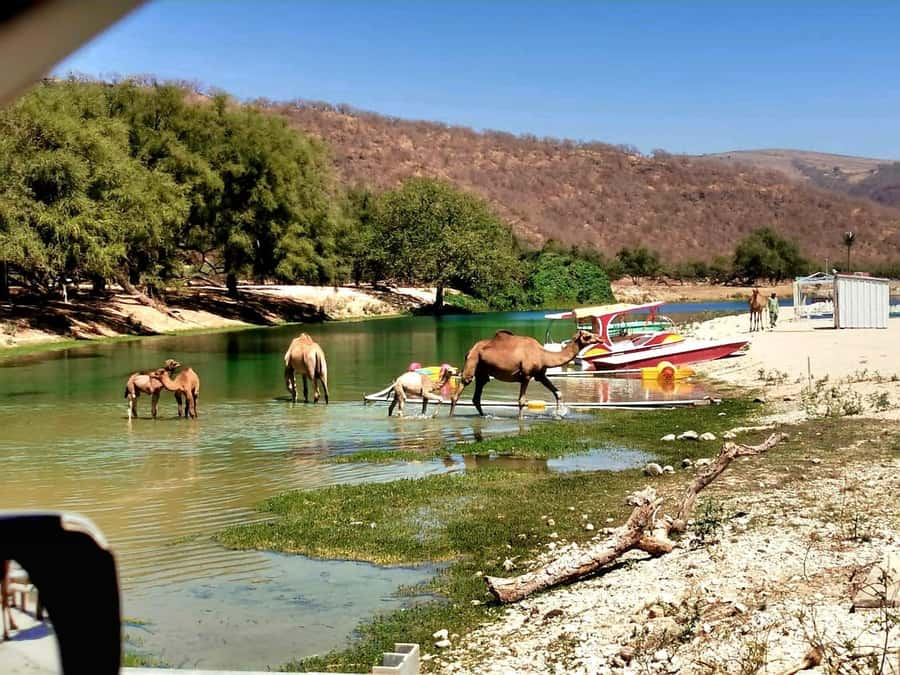
After Taqa, the route moves toward Wadi Darbat, a natural park in the mountains overlooking Khor Rori. This is likely to be the day’s main scenic payoff. The setting includes waterfalls, lakes, caves, mountains, vegetation, picnic areas, and many camels.
During Khareef, rain and mountain runoff refill the wadi. Water can spill over drops of around 30 meters, creating the dramatic falls shown in many photographs of the area. The same location can feel very different outside the monsoon season. Some water features may be seasonal, so your expectations should match the date of your visit.
The camels are not a minor extra. One visitor described seeing hundreds along the route, and that detail says a lot about the character of the drive. You may find yourself watching the animals as much as the mountains. This is one of those moments when a local driver adds real value, since the guide can help you notice what is happening around the road rather than concentrating on navigation.
Wadi Darbat is also where footwear matters most. Bring comfortable clothes and shoes suitable for rough, sloping ground. A hat, sunscreen, and water are sensible in any season, even when the weather feels cool or damp. Snacks and water are included, but carry only what you need because large bags and luggage are not allowed.
You should not treat this as a fully accessible park outing. Non-folding wheelchairs and electric wheelchairs are not permitted, and the tour is not suitable for wheelchair users. Pregnant people and those over 95 are also listed as unsuitable for the activity.
A completely different kind of day:
- Sunset Desert Safari Salalah Tour in Rub Al Khali – Empty Quarter
★ 5.0 · 91 reviews - Salalah: Sunset Desert Safari – Rub Al Khali – Empty Quarter
★ 4.6 · 79 reviews - West Salalah Tour – Caribbean of Orient – Fazayah Beach with City
★ 5.0 · 74 reviews - West Salalah: Caribbean of the Orient Fazayah Beaches & City
★ 4.5 · 60 reviews
Sink holes, baobab trees, and the antigravity stop
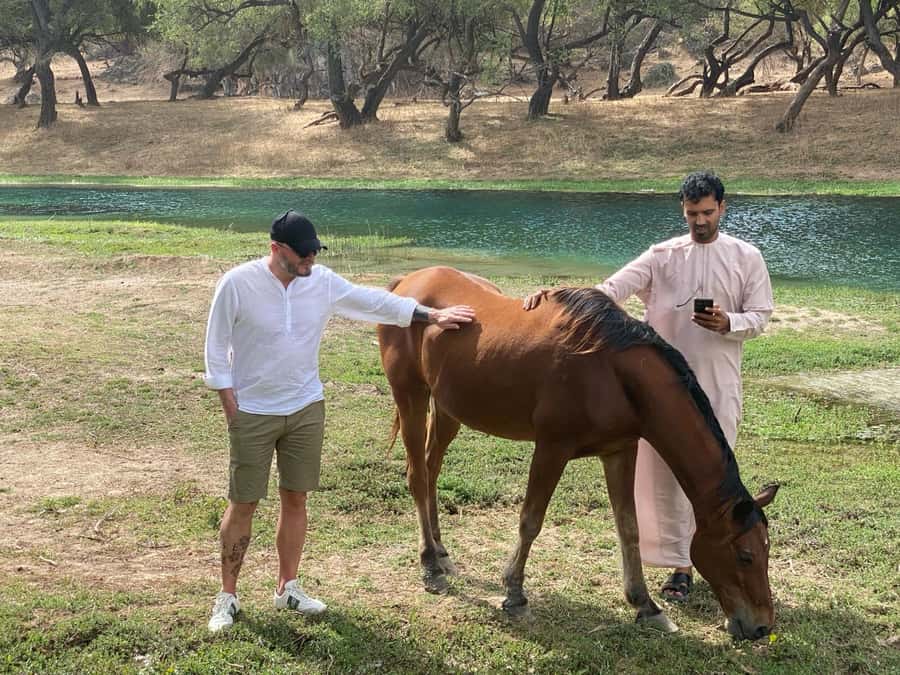
The route includes several unusual roadside or natural points: a sink hole, baobab trees, and an antigravity site. These stops break up the larger attractions and give the guide room to explain local features that might be easy to miss on an independent drive.
The available information does not provide technical details about the sink hole or antigravity site, so I would treat them as brief curiosity stops rather than the main reason to book. The same applies to the baobab trees. They add variety to the route, but Wadi Darbat, Taqa, and Sumhuram carry the strongest historical and scenic appeal.
That said, these shorter stops can be useful on a four-wheel-drive tour. They make the day feel less like a direct transfer between two famous sites. If you enjoy odd natural features and roadside discoveries, you will probably appreciate them more than someone who wants every minute devoted to museums and ruins.
Sumhuram and the frankincense trade at Khor Rori
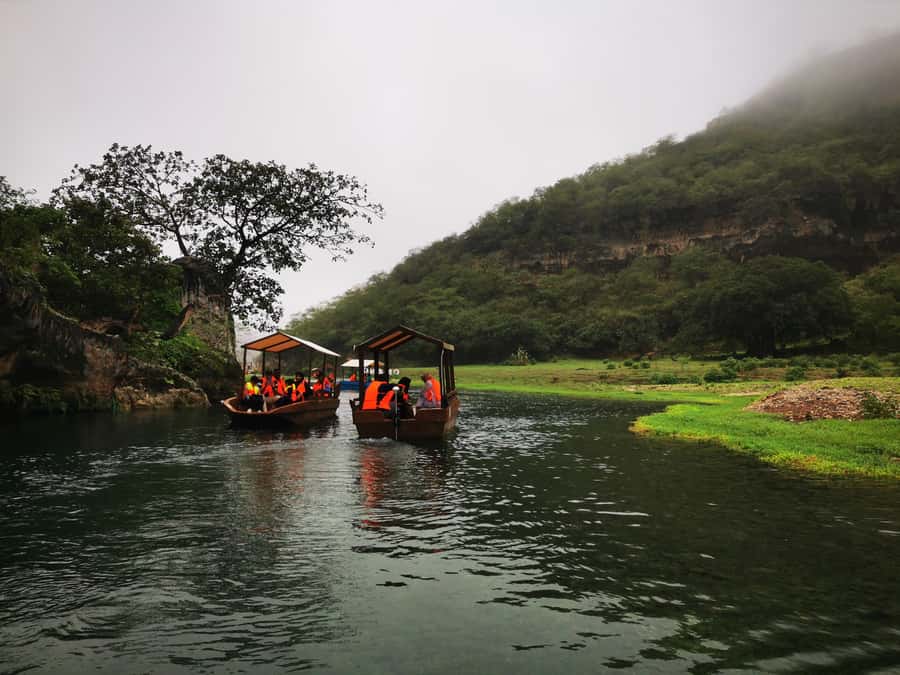
The final major stop is Khor Rori, also called the Khor Rori Creek area. Here you find the ruins of Sumhuram, an ancient city connected to the frankincense and copper trade. The archaeological park and museum are part of the UNESCO World Heritage Site known as the Land of Frankincense.
This is where the route gains historical depth. Frankincense was not simply a local product sold to passing shoppers. Its trade linked southern Oman with wider commercial networks, and Sumhuram’s position at Khor Rori helps explain why this coastal site mattered.
You can choose to enter the museum and archaeological area, but entrance fees are not included. The tour information does not state a separate price for the Sumhuram museum, so ask your guide or the provider for the current fee. That small bit of planning matters if you are carrying only a set amount of cash.
Give yourself time to look beyond the first ruined walls. The setting near the creek connects the remains to the coast and to the movement of goods. A guide can make the difference between seeing old stones and understanding why this particular place was important.
The guide and the small-group setup
The group limit is seven participants. That is a useful size for a 4×4, since you are less likely to feel lost in a large coach party. It also gives you a better chance to ask questions and request a short pause when the route allows.
The vehicle is described as private 4×4 transport, while the activity also identifies the group as small. In practice, clarify if your booking is exclusive to your party or if you will share the vehicle with other participants. If more than seven people are booked, a minibus may be arranged.
Mohammed is the guide name most often associated with the strongest praise. He is described as polite, professional, very familiar with the region, and able to speak excellent English. Another Italian visitor found the English less easy to understand, so I would not assume every guide will communicate at exactly the same level.
The guide is particularly important here because the route has several stops that need context. Taqa’s buildings, the springs at Ain Razat, the frankincense port, and the seasonal behavior of Wadi Darbat all become more meaningful when explained by someone from Oman.
Duration, pickup, and the timing question
Pickup is available from any hotel in Salalah, as well as the airport and seaport. You are asked to wait in the hotel lobby about 10 minutes before the scheduled pickup, with communication likely handled through WhatsApp, a direct call, or email.
The stated duration is four hours, but another part of the activity describes an eight-hour guided visit to Wadi Darbat. That is a substantial difference, not a minor wording issue. A four-hour trip may require quick stops, while an eight-hour day allows more time for Taqa, the wadi, Sumhuram, and the additional sites.
I would ask three questions before booking:
- What is the confirmed total duration for my date?
- Which stops are guaranteed if the tour lasts four hours?
- Is the vehicle private for my party, or shared with other participants?
This is especially important if you are connecting to a flight, boarding a ship, or arranging another activity later in the day. Airport and seaport pickup is convenient, but the schedule needs to be precise.
The tour allows free cancellation up to 24 hours before departure for a full refund, and you can reserve now and pay later. Those terms help if your Salalah plans are still moving, but they do not remove the need to confirm the timing.
What to bring and what to skip
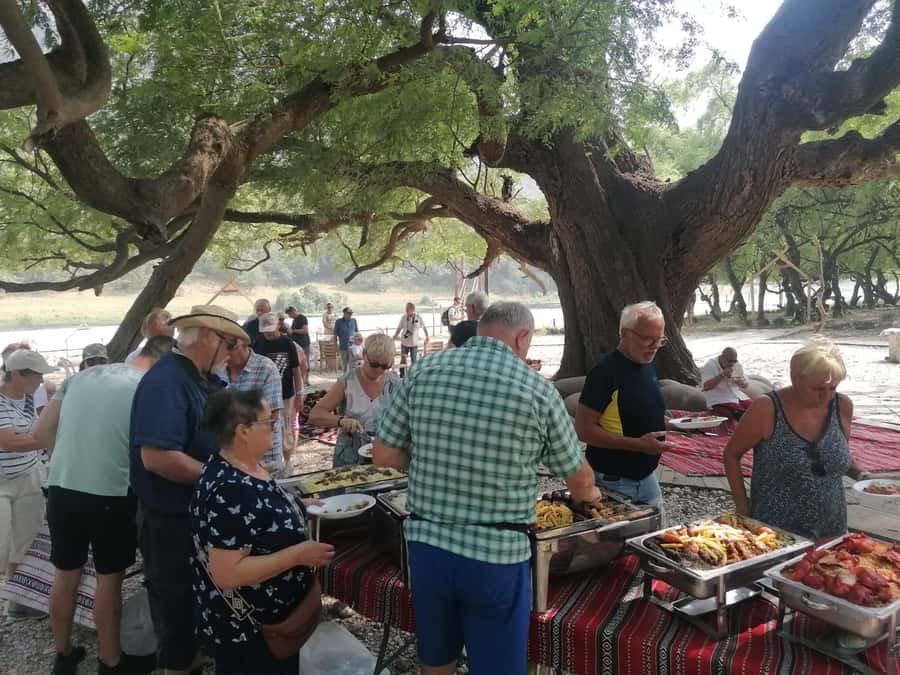
Pack light. Large bags and luggage are not allowed in the vehicle. Bring your passport or ID card, and carry a visa if one is required for your entry into Oman.
A sun hat, sunscreen, comfortable clothing, and practical walking shoes are the best choices. Jewelry is discouraged, and alcoholic drinks, drugs, fire-making, loud noise, and military-style clothing are not allowed. These rules fit the mix of outdoor walking, cultural sites, and vehicle travel.
If you want lunch, arrange it ahead of time. A local Omani lunch can be supplied for OMR 5 per adult, but it is an extra charge. Snacks and water are already included.
Who will enjoy this tour most?
I would recommend it to you if you want one organized outing that covers both nature and culture. It suits first-time visitors to Dhofar, people who do not want to rent a 4×4, and anyone who values an Omani guide rather than a self-guided drive.
It is also a good match for photographers and scenery lovers, especially during Khareef. The waterfalls, misty or green mountain areas, camels, coast, and old buildings provide plenty of variety.
I would be more cautious if you want a slow museum day, need step-free access, or dislike rough roads and uneven walking. The route is active enough to be tiring, and the duration needs clarification. If your main goal is only to see Taqa Castle, a shorter local visit may be more suitable.
Should you book VisitSalalah’s East Salalah tour?
Book it if you want the eastern side of Dhofar in one guided outing and you are happy to pay for convenience. The strongest reasons are the private 4×4, small group size, hotel pickup, local guide, Wadi Darbat’s seasonal scenery, and the link between Sumhuram and the frankincense trade.
Before you commit, confirm the four-hour versus eight-hour duration, the exact stops, the guide’s language comfort, and the entrance fees. If those details fit your plans, this is a well-rounded introduction to Salalah’s east side, with enough old Oman, open country, and seasonal drama to justify the price.
FAQ
How much does the East Salalah tour cost?
The tour costs $160 per person. Optional entrance fees are extra, and a local Omani lunch can be arranged for an additional OMR 5 per adult.
How long does the tour last?
The activity details state a duration of four hours, but another itinerary detail refers to an eight-hour guided visit to Wadi Darbat. Confirm the actual duration and schedule before booking.
What places are included?
The route includes Taqa old village, Taqa viewpoints, Wadi Darbat, a sink hole, baobab trees, an antigravity site, and the Sumhuram viewpoint or archaeological area at Khor Rori. Ain Razat is also described as an opening stop.
Is transportation included?
Yes. Transportation is provided in a private 4×4 car, with pickup and drop-off available from hotels in Salalah, the airport, and the seaport.
Is a guide included?
Yes. A licensed local Omani guide is included. The listed guide languages are English and Arabic.
How many people can join?
The small group capacity is seven participants. If more than seven people are booked, a minibus may be arranged.
Are entrance tickets included?
No. Entrance fees for museums and landmarks are not included. Taqa Castle is listed at OMR 3, Koofan Heritage House at OMR 1, and Burj Al Askar at OMR 1. Entry is optional.
Can lunch be provided?
Yes. A local Omani lunch can be arranged for an additional OMR 5 per adult. Snacks and water are included in the tour price.
Is the tour suitable for wheelchair users?
No. The tour involves walking on rough and inclined ground, and it is not suitable for wheelchair users. Non-folding and electric wheelchairs are not permitted. Pregnant women and people over 95 are also listed as unsuitable.
Just added in Salalah
- West of Salalah private tour – fascinating mountains and beaches★ 5.0 · 9 reviews
- Salalah White Beaches & Panoramic Views of sea (Full Day Tour)★ 5.0 · 1 review
- Where Sea Meets Rock: A Scenic Journey to West Salalah’s Shores★ 5.0 · 5 reviews
- West Salalah Tour by VisitSalalah★ 5.0 · 6 reviews
- West Salalah Beaches and Blowholes★ 5.0 · 7 reviews
- Explore Samhan Mountain – Half-Day Getaway with Lunch Included.★ 5.0 · 10 reviews
- Private tour – Empty Quarter desert adventure – Wadi Dawka + Ubar★ 5.0 · 5 reviews
- Salalah East & West Combination★ 5.0 · 2 reviews
Salalah Tours, compared.
East Salalah Mountain Safari, Wadi Darbat, Beach, Camels, Dunes
Read our review →
Wadi Darbat, Jabal Samhan, Baobab, Mirbat Sand Dune
Read our review →
Sunset Desert Safari Salalah Tour in Rub Al Khali – Empty Quarter
Read our review →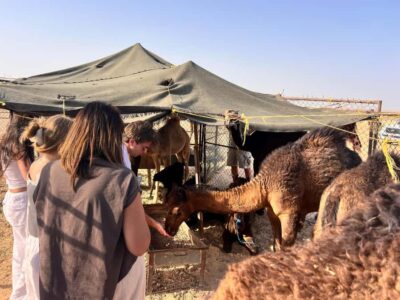
Sunset Desert Safari – Rub Al Khali – Empty Quarter
Read our review →
West Salalah Tour – Caribbean of Orient – Fazayah Beach with City
Read our review →
West Salalah: Caribbean of the Orient Fazayah Beaches & City
Read our review →
Salalah City Tour: Discover the Best of Oman’s Coastal Gem
Read our review →Browse the lists this tour appears in