
REVIEW · SALALAH TOURS
11 Days Tour Muscat and Salalah
Oman rewards the curious. This 11-day journey links wadi swimming, desert dunes, mountain villages, and Salalah’s frankincense coast without asking you to arrange each transfer yourself. I like the private transport and flexible leisure time, and I like how the route mixes famous sights with smaller places such as Misfat al Abriyyin and Al Hamra. The main drawback is the pace: long drives, early starts, rough mountain roads, and several full sightseeing days may feel demanding.
I also like the family-friendly design. You get beaches, forts, markets, wildlife, desert scenery, and short or longer walking options, so not everyone has to spend every hour sightseeing. But the $3,400 price does not include lunch, and the package details do not clearly state whether the Muscat to Salalah flights are included, so confirm that before paying.
In This Review
- Five things to know before you book
- Why this 11-day Oman route works
- Days 1 and 2: Wadi Shab, Sur, and sea turtles
- Days 3 and 4: Wadi Bani Khalid and Wahiba Sands
- Day 5: Nizwa’s early market and Misfat al Abriyyin
- Days 6 and 7: Al Hamra, Jebel Shams, and Wadi Bani Awf
- Days 8 through 11: Salalah, water, and frankincense
- Who will get the most from this tour
- Should you book the Muscat and Salalah tour?
- FAQ
- How long is the Muscat and Salalah tour?
- Is accommodation included?
- Are meals included?
- Is transportation private?
- How many people can fit in the vehicle?
- Is the Nizwa Fortress entrance included?
- Is the Muscat to Salalah flight included?
- Can children join the tour?
- What documents are required?
Five things to know before you book
- The route covers two very different Omans: Muscat’s coast, the Wahiba Sands, Nizwa and Jebel Shams, then Salalah’s frankincense country.
- Private transport gives you control: Only your group participates, with a driver-guide and a private vehicle.
- Expect a busy middle section: Days 2 through 7 include long drives, mountain roads, wadis, villages, and desert activities.
- Swimming is part of the appeal: Wadi Shab, Bimmah Sinkhole, and Wadi Bani Khalid offer chances to get in the water.
- Check the fine print: Ten nights of accommodation, bottled water, fuel, taxes, park fees, and transfers are included, but lunch is not. A Nizwa Fortress interior visit costs an extra $15 per person.
Why this 11-day Oman route works
At $3,400 per person, this is not a budget trip. Its value comes from what it takes off your shoulders: ten nights of accommodation, a private vehicle, a driver-guide, hotel or port pickup, fuel, local taxes, national park fees, bottled water, and round-trip private transfers.
I would judge the price by comparing it with the cost and effort of arranging several hotels, a desert camp, mountain transport, airport transfers, and a private driver yourself. The route reaches places that are awkward to connect by ordinary public transport, especially Wadi Bani Awf, Jebel Shams, Wahiba Sands, and the Salalah excursions.
There are still two points to clarify. Lunch is not included, and the itinerary refers to flights between Muscat and Salalah, but the listed inclusions do not expressly say that the airfare is included. Ask about this before booking. The day at the desert camp includes dinner in the schedule, yet the general meal policy says meals are not included, so ask whether that particular dinner is covered.
The private format is a real benefit. Your group will not be mixed with strangers, and the schedule allows some free time rather than filling every hour with guided stops. The vehicle capacity is listed as up to three people in a salon car or six in a 4×4 vehicle, so ask which vehicle fits your party and the roads on your dates.
More things to do in Salalah:
- 20 Days Oman Package with Salalah and Khasab Tour
★ 5.0 · 1 review - East Salalah Mountain Safari, Wadi Darbat, Beach, Camels, Dunes
★ 5.0 · 206 reviews - Salalah: Wadi Darbat, Jabal Samhan, Baobab, Mirbat Sand Dune
★ 4.6 · 178 reviews
Days 1 and 2: Wadi Shab, Sur, and sea turtles
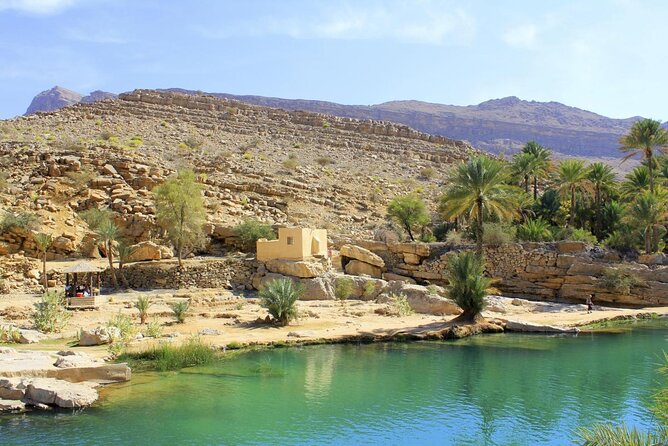
The opening day quickly shows why Oman is more than forts and city sightseeing. From Muscat, you head toward Wadi Shab, a huge canyon lined with palms and shaped by mountain water. The scheduled visit lasts about two hours, with admission included.
This is an active stop, not simply a viewpoint. You may walk through the canyon and enjoy the water, though the exact amount of walking and swimming you do depends on conditions and your guide’s plan. Bring suitable footwear and clothing for a wet, uneven setting. The schedule does not spell out every transport detail inside the wadi, so ask what walking is required.
Bimmah Sinkhole follows as a 30-minute photo stop. Swimming in the sinkhole lake is possible, which makes it more than a quick roadside picture if you want a short break in the water. Fins Beach is passed on the way or after Wadi Shab, giving the first day a pleasant coastal rhythm.
Day 2 focuses on Sur and Al Hadd. In Sur, you see old fortresses and a traditional Arabian dhow factory, where wooden boats are still presented as an important part of the city’s identity. The two-hour visit should suit anyone interested in craft and local history, though the program does not promise a hands-on workshop.
After lunch, the drive continues along the coast to Ras Al Hadd. You can walk around the village or rest on the beach before the evening visit to the Ras Al Jinz turtle sanctuary. A guided night walk on the beach offers a chance to see sea turtles nesting, and, if timing is right, hatchlings leaving their nests.
Treat the turtle sighting as a possibility, not a guarantee. Wildlife follows its own schedule. The evening program lasts about four hours, so this is a late night after a full day. Families should consider children’s stamina, while anyone who values wildlife will likely find this one of the most memorable parts of the route.
Days 3 and 4: Wadi Bani Khalid and Wahiba Sands
Wadi Bani Khalid is one of the trip’s best pauses. You have about three hours to swim, sunbathe, relax, or enjoy a picnic among the canyon walls. Unlike the more coastal opening, this stop shows how water shapes Oman’s interior.
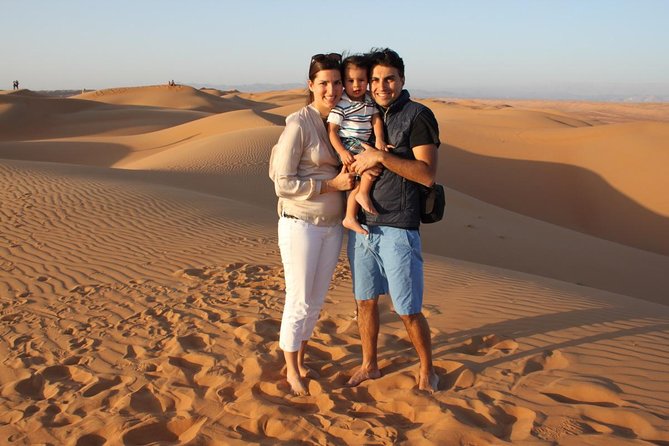
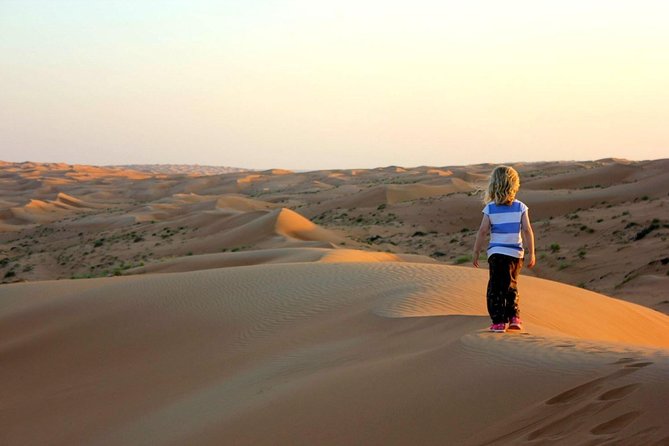
The real change of mood comes later at Wahiba Sands. In the late afternoon, a 4×4 takes you over the dunes to a desert camp. You watch the sunset from a high dune, then spend the evening around a campfire. The schedule describes dinner at the camp, but remember to confirm whether it is included because the general meal policy excludes meals.
The desert day is listed as roughly 12 hours, so pack light for the transfer and keep water close. Bottled water is included, but you should still plan your personal supplies around a long day. A night in the sands can be romantic and exciting, yet it is not the place for someone who wants a quiet, predictable hotel routine every evening.
On Day 4, the route returns to settled Oman through Ibra. The local market and old village provide a useful counterpoint to the desert. You are seeing ordinary commercial and residential spaces rather than only polished sights.
The afternoon brings you to Nizwa, Oman’s former capital. After hotel check-in, the rest of the day is free. That breathing room matters. After wadis, dunes, and a long desert day, you can rest instead of being pushed straight into another attraction.
Day 5: Nizwa’s early market and Misfat al Abriyyin
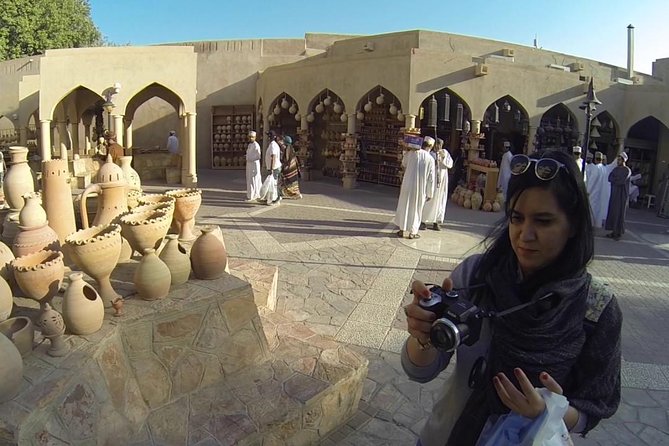
Nizwa Souq is best understood as an early morning stop. Vendors operate from about 5:00 a.m. to 10:00 a.m., selling fish, meat, vegetables, pottery, jewelry, handicrafts, and souvenirs. If your visit falls on a Friday, the cattle market adds goats, sheep, cattle, donkeys, and chickens to the scene.
The early hours are important. Sleep-in visitors may miss the liveliest part, so ask your guide about the exact departure time. The market is a place to watch daily commerce, not just shop for gifts.
Next door is Nizwa Fortress, a major architectural sight from the Yaruba dynasty in the mid-17th century. Its rooms, corridors, towers, views, and defensive traps explain how military planning worked in Oman at that time. The current plan includes an outside photo stop, while entering costs an additional $15 per person.
That extra charge is modest beside the overall tour price, and I would consider paying it if you care about forts. The interior gives much more meaning to the building than an exterior photograph. On Fridays, the fort closes at 11:00 a.m., so an inside visit is not guaranteed if your schedule falls on that day.
Misfat al Abriyyin is a completely different kind of stop. Built on a steep slope beneath Jebel Shams, the village has old homes, narrow lanes, date palms, orchards, and a working falaj water system. Allow about 1.5 to 2 hours to walk around.
Wear shoes suited to uneven paths. The village is best enjoyed slowly, with time to notice how water channels support homes and gardens. This is one of the route’s most rewarding cultural stops because you are seeing a settlement shaped by practical needs, not simply a restored monument.
More things to do in Muscat:
- Muscat: Daymaniat Islands Snorkeling Trip with Brunch
★ 4.7 · 2,317 reviews - From Muscat: Wadi Shab & Bimmah Sinkhole Full-Day Tour
★ 4.8 · 1,862 reviews - Muscat: Wahiba Desert and Wadi Bani Khalid Guided Group Tour
★ 4.8 · 820 reviews - Muscat: Half-Day Sightseeing Essentials Tour and Audio Guide
★ 4.2 · 598 reviews
Days 6 and 7: Al Hamra, Jebel Shams, and Wadi Bani Awf
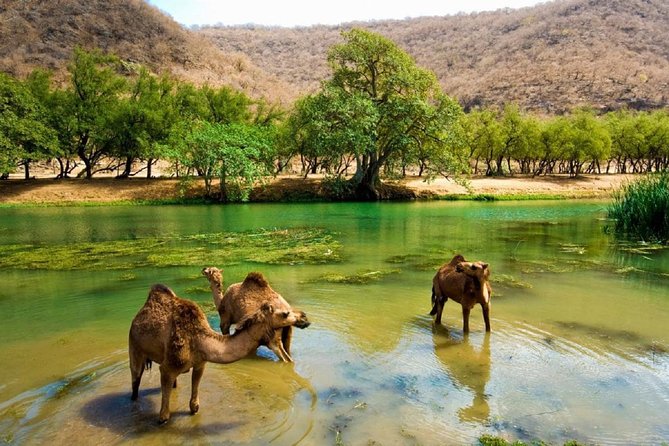
Al Hamra gives you a closer look at traditional domestic life. In an old restored house, Omani women demonstrate coffee, food, and pottery practices. You then enter a majilis, the Omani living room, for coffee or tea and dates.
The visit lasts about two hours and adds human detail to the villages and forts. I would value this more than another quick photo stop because it connects architecture with daily life. The program does not identify the women or guarantee a particular demonstration, but the planned visit is clearly built around local presentation.
From Al Hamra, the road climbs Jebel Shams, Oman’s highest mountain area, where you spend the night at a resort. The afternoon is free for walking near the Grand Canyon of Oman. You can choose an easy short path or a harder, longer route, with views over the wadis and valleys below.
This flexibility is welcome, but do not treat every trail as casual. The itinerary gives no detailed trail grading, distances, or safety information, so match your walk to your ability and ask your guide about current conditions. The mountain night also brings a change from beach and city hotels, which is part of the trip’s appeal.
Day 7 takes the more adventurous road through Wadi Bani Awf. The mountain drive is described as an off-road experience with wide views, followed by about 1.5 hours through the wadi and its small villages. From the end of the wadi, the drive back to Muscat takes about an hour.
This is likely the route’s roughest transport day. A 4×4 is essential for some conditions, but the provided details do not promise a particular vehicle for every party, so confirm it. If you dislike winding mountain roads or bumpy driving, this is the day to consider carefully.
Days 8 through 11: Salalah, water, and frankincense
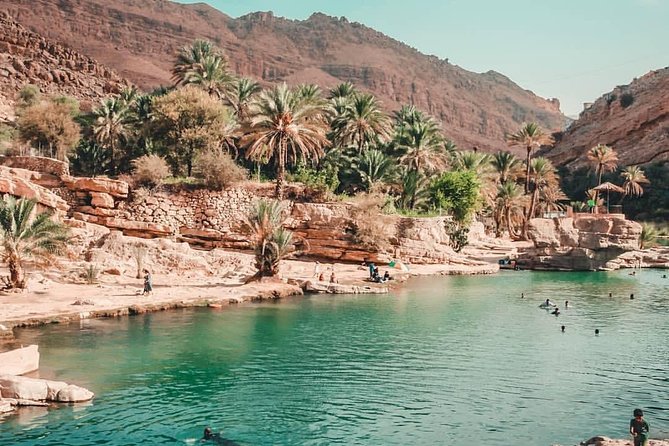
On Day 8, you fly to Salalah, with the flight listed at about 1.5 hours. The rest of the day is free for the beach or Salalah city. That open afternoon is useful after the demanding mountain section, though again, confirm whether the domestic flight is part of the $3,400 price.
Day 9 explores the eastern side of Salalah. Taqah brings historical and scenic interest, followed by Sumhuram Old City, a frankincense trading port that once controlled maritime commerce. Admission to Sumhuram is included.
Wadi Darbat adds waterfalls and mountain villages, while Ain Razat shows the importance of spring water in Dhofar. Water flows through a falaj into a long pool, and the flow is strongest during the khareef season. You get four very different stops in one day, but the schedule is full, with about five hours of listed visits before driving time.
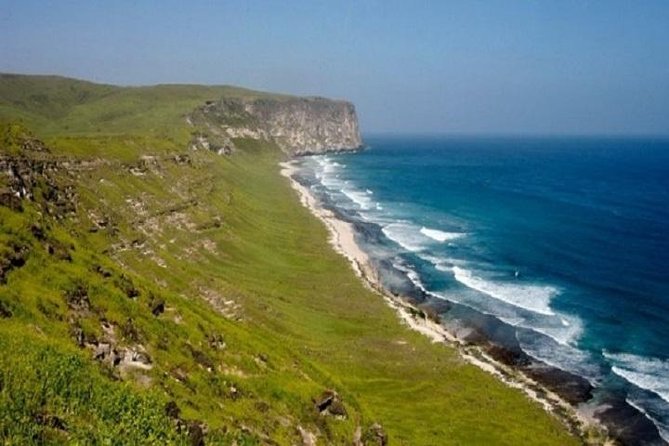
Day 10 heads west to Mughsail Beach and its blowholes. Waves force air and water through openings in the rock, producing sudden sprays. Keep a sensible distance from the edge, since the force can be stronger than it looks.
The route then reaches frankincense country. Dhofar is famous for Boswellia sacra trees, and frankincense once made the region extraordinarily wealthy. Seeing the trees gives context to Sumhuram and the old trade routes. It is not just a plant stop. It explains why this part of Oman mattered far beyond its own coastline.
The final stop is Nabi Ayoub’s Tomb, inside a mosque, where the prophet Job is believed to be buried. The visit lasts about an hour before the return to Salalah. Dress appropriately for a religious site and follow your guide’s instructions, as the supplied details do not specify a dress code.
Day 11 offers free time in Salalah before the afternoon flight back to Muscat. This gives you one last chance to rest or explore, but the schedule does not state the exact length of the free period or the flight fare inclusion.
Who will get the most from this tour
I would recommend this route to a family or private group that wants variety without arranging every hotel, driver, and transfer. Children have beaches, swimming, desert sand, and wildlife, while adults get markets, forts, villages, mountain views, and frankincense sites. Children must be accompanied by an adult, and the child rate applies only when sharing with two paying adults.
It also suits people who prefer a private guide and vehicle to a large coach. You can choose to rest on some free afternoons or spend more time walking when the schedule allows. The two existing customer comments praise the comfortable vehicle, safety, cheerful service, and the amount of information provided about Oman. One family used the guide twice, in 2018 and 2019, which is a useful sign for repeat confidence, though the published sample is very small.
I would hesitate to recommend it to anyone seeking a slow beach holiday. The desert day is long, the mountain roads are adventurous, and the full circuit covers a lot of ground. You should also be comfortable with changing accommodation styles, from city and beach stays to a desert camp and mountain resort.
A multilingual guide may be available for an extra charge. A valid passport is required on the day of travel, and most people can participate, but the supplied details do not provide specific accessibility information. Ask before booking if you need support with walking, swimming, uneven ground, or vehicle access.
Should you book the Muscat and Salalah tour?
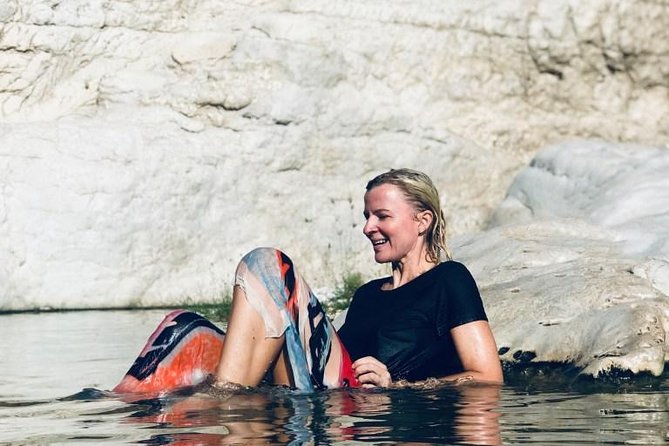
Book it if you want Oman in broad strokes and close-up detail: wadis, turtles, dunes, markets, forts, mountain villages, canyon views, and frankincense country. The private format, included accommodation, driver-guide, water, fuel, taxes, and transfers make the price easier to defend, especially for a group that values convenience.
Before committing, ask three direct questions: Is the Muscat to Salalah airfare included? Is the desert-camp dinner included? Which vehicle will your party use on Wadi Bani Awf and the Wahiba Sands? If those answers suit you, this is a strong choice for an active family or private group that wants a well-supported introduction to Oman rather than a do-it-yourself road trip.
Cancellation terms are strict. A full refund requires cancellation at least six full days before the start, a 50 percent refund applies two to six days before, and cancellations less than two days before are not refunded.
FAQ
How long is the Muscat and Salalah tour?
The tour lasts approximately 11 days and includes 10 nights of accommodation.
Is accommodation included?
Yes. Ten nights of accommodation are included, with stays varying between beach, city, desert, and mountain settings.
Are meals included?
Lunch is not included. The Day 3 schedule mentions dinner at the desert camp, so confirm whether that specific dinner is covered by the tour price.
Is transportation private?
Yes. The package includes a private tour, a driver-guide, hotel or port pickup and drop-off, private transfers, and transport by private vehicle.
How many people can fit in the vehicle?
The stated maximum is three people in a salon car or six people in a 4×4 vehicle.
Is the Nizwa Fortress entrance included?
The planned visit is an outside photo stop. Entering the fortress costs an additional $15 per person.
Is the Muscat to Salalah flight included?
The itinerary includes flights to Salalah and back to Muscat, but the listed inclusions do not clearly state that airfare is included. Confirm this before booking.
Can children join the tour?
Yes. Children must be accompanied by an adult, and the child rate applies only when sharing with two paying adults.
What documents are required?
A current valid passport is required on the day of travel.
Just added in Muscat
- Wahiba Desert Safari Adventure , Swimm in Wadi Bani Khalid★ 4.5 · 2 reviews
- Wahiba Sands & Wadi Bani Khaled (Day Trip) -“Desert Safari”★ 5.0 · 1 review
- wadi shab and bimmah sinkhole tour from muscat★ 5.0 · 2 reviews
- Try scuba Diving Tours To Daymaniyat Islands.★ 5.0 · 12 reviews
- Wadi Bani Khalid – Wahiba Sands Desert – Sunset★ 4.0 · 1 review
- Wadi Shab &Bimmah Sinkhole &Heart shaped Cave &Pebble Beach★ 5.0 · 5 reviews
- Private 2-Day Guided Tour with Nizwa Friday Market Visit★ 5.0 · 2 reviews
- From Muscat Wadi Shab and Bimmah Sinkhole Tour★ 5.0 · 6 reviews
Salalah Tours, compared.
East Salalah Mountain Safari, Wadi Darbat, Beach, Camels, Dunes
Read our review →
Wadi Darbat, Jabal Samhan, Baobab, Mirbat Sand Dune
Read our review →
Sunset Desert Safari Salalah Tour in Rub Al Khali – Empty Quarter
Read our review →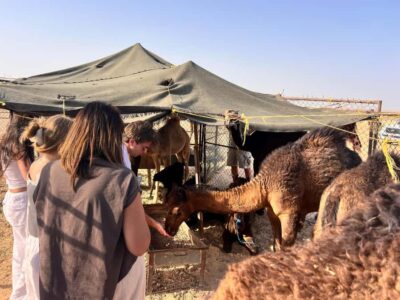
Sunset Desert Safari – Rub Al Khali – Empty Quarter
Read our review →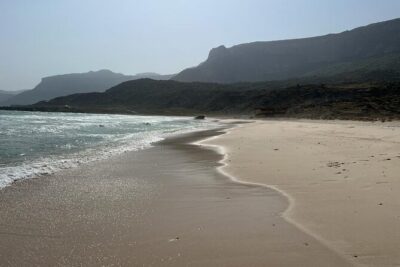
West Salalah Tour – Caribbean of Orient – Fazayah Beach with City
Read our review →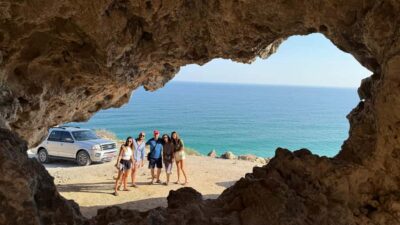
West Salalah: Caribbean of the Orient Fazayah Beaches & City
Read our review →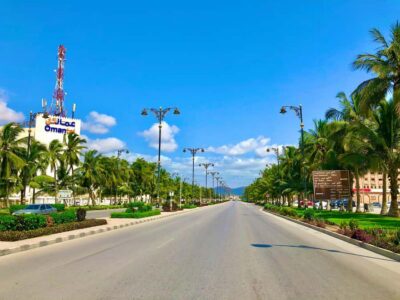
Salalah City Tour: Discover the Best of Oman’s Coastal Gem
Read our review →Browse the lists this tour appears in