
REVIEW · MOUNTAIN TOURS IN OMAN
Private Tour to Jebel Akhdar Al Suwjara Village
Mountain roads lead to old Oman. This private day trip from Muscat combines Birkat Al Mouz ruins and the UNESCO-listed Al Kattmyn irrigation system with the cooler heights of Jebel Akhdar and the cliffside village of Al Suwjara. I like the mix of scenery and local heritage, especially the chance to see working water channels, mountain farms, rose gardens, and old stone homes in one long day. I also like that transport, an English-speaking Omani guide, water, and entrance fees are included.
The main drawback is the pace and physical effort. The drive up Jebel Akhdar takes you onto steep mountain roads, and Al Suwjara’s old village requires a descent, a wooden bridge crossing, and a climb back up. Lunch is not included, so you need to plan for food, and eight hours can feel full when driving time and walking are added together.
The private format is useful if you want to stop for views, ask questions, or move at your own pace within the day’s schedule. Past visitors especially praised guides Ahmed, Mr. Alkiyumi, and Ghaith Al Hadi for safe driving, friendliness, and helpful explanations. Your guide may be different, but the experience clearly depends on having someone who handles the mountain road well.
In This Review
- Key points at a glance
- Why this Jebel Akhdar day trip works
- Birkat Al Mouz: ruins, bananas, and a quiet start
- Al Kattmyn: Oman’s ancient water system
- Jebel Akhdar: rose gardens and high valley views
- The mountain road and the value of a careful driver
- Al Suwjara: the hardest walk and the strongest sense of place
- The Cliff Guest House and what you can expect
- Is $180 a person good value?
- Who should book this tour?
- Practical details before you reserve
- Should you book the Jebel Akhdar and Al Suwjara tour?
- FAQ
- How long does the private Jebel Akhdar tour last?
- Is pickup from Muscat included?
- Is this a private tour?
- What type of vehicle is used?
- Is a guide included?
- Is food included in the price?
- How difficult is the walk to Al Suwjara’s old village?
- What is the cancellation policy?
Key points at a glance
- Birkat Al Mouz gives you two very different sights: ruined village buildings and green banana plantations in the same area.
- Al Kattmyn is one of Oman’s five UNESCO-recognized aflaj systems, showing how water has supported mountain communities.
- Jebel Akhdar is cooler than Muscat, with fruit plantations, rose gardens, walking routes, and broad valley views.
- Diana Point adds a modern royal connection to an otherwise strongly traditional mountain day.
- Al Suwjara is the most active stop, requiring a steep walk to reach the old houses and wooden bridge.
- The $180 price buys private transport and convenience, but the value improves when shared by a larger private group or when group discounts apply.
Why this Jebel Akhdar day trip works
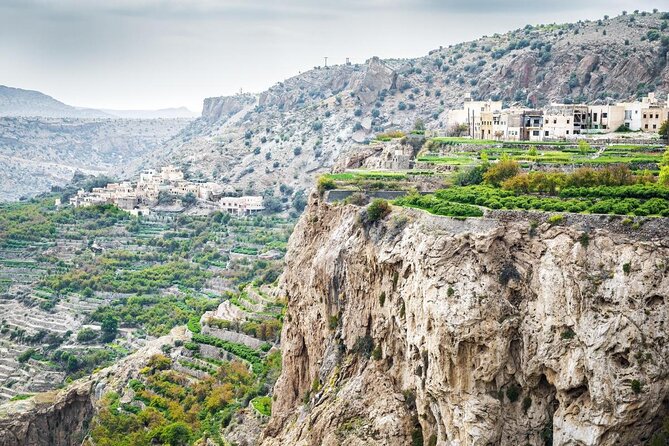
Jebel Akhdar means Green Mountain, though the name can surprise you. This is a dry, high mountain area, not a blanket of forest. Its greenery comes from carefully managed terraces, fruit trees, rose gardens, and water channels. The contrast with Muscat is the point: you leave the coastal heat and reach a high region known for cooler air and dramatic valleys.
This tour also avoids making the mountain visit only about viewpoints. You begin among village ruins and an old irrigation system, then move into farms and mountain walks before finishing at Al Suwjara. That progression helps you understand why people lived in these difficult places and how they made them work.
Because the tour is private, your group does not share the vehicle with strangers. That matters on a long day. You can ask for more explanation at an old building, take a little longer at a view, or tell the guide if the walking pace needs to slow. The schedule is still fairly packed, so private does not mean completely free-form.
More Mountain Tours in Oman
- From Muscat: Nizwa and Jebel Akhdar Tour with Lunch
★ 4.8 · 319 reviews - Nizwa Fort-Nizwa Souq-Misfah Al Arbyeen-Jebel Shams – Private Full Day Tour
★ 5.0 · 220 reviews - Full Day Private Nizwa/Jebel Akhdar
★ 5.0 · 205 reviews
Birkat Al Mouz: ruins, bananas, and a quiet start
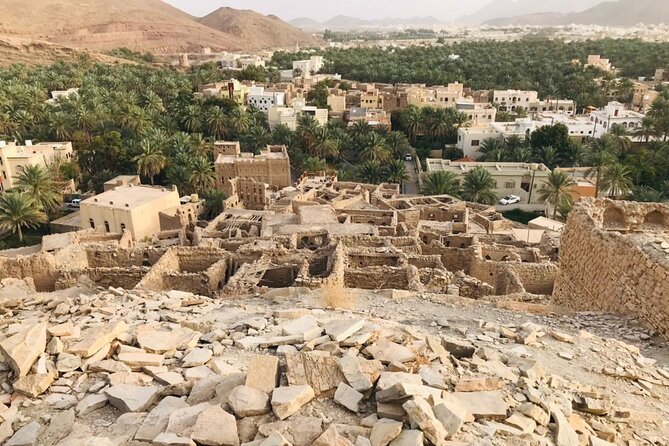
The first major stop is Birkat Al Mouz, an old village off the former Muscat to Nizwa road. The name translates as Banana Pool, a reminder that this area has long supported banana plantations. It is an appealing first stop because the setting immediately shows how Oman’s villages were tied to water and farming.
You have about two hours here. That is enough time to walk among the ruins rather than simply pull over for a photograph. The old structures offer a clear sense of how tightly homes, paths, and farms once fitted together. The weathered walls are the attraction, so do not expect a polished museum or a fully restored historic quarter.
The site is also a good place to begin noticing the relationship between dry mountain country and cultivated land. Banana plantations may seem an unlikely sight in Oman, but the irrigation systems made such farming possible. The combination of palms, bananas, old walls, and mountain slopes gives this stop more substance than a routine roadside break.
Wear shoes with a firm sole. Ruined villages can have uneven ground, and the tour includes several walking stops later in the day. If you prefer taking photographs without rushing, the private vehicle and two-hour allocation give you a useful amount of breathing room.
Al Kattmyn: Oman’s ancient water system
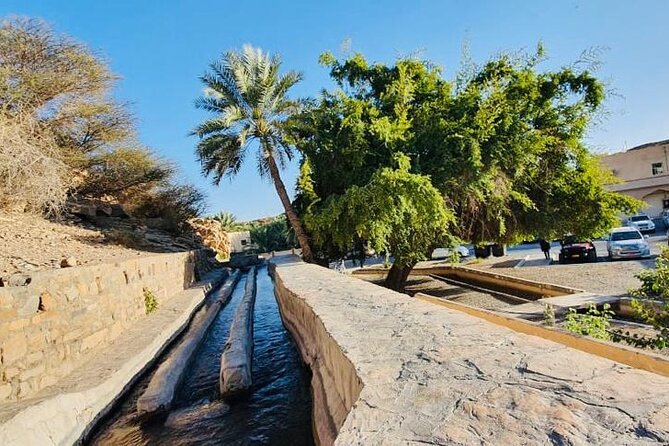
From Birkat Al Mouz, the tour visits the Al Kattmyn aflaj irrigation system. You have about one hour, and entrance is included. The aflaj systems are among Oman’s most important examples of community water management, and five of them have UNESCO heritage recognition.
The value here is practical rather than grand. You are seeing the system that helped move water to homes and plantations in a dry region. It turns an abstract idea about Omani ingenuity into something you can look at directly: channels, water flow, and the link between a mountain source and village life.
This stop pairs well with Birkat Al Mouz. First you see the settlement and its farms, then you see more clearly how water made them possible. I would pay close attention to your guide here and ask how the channel served the village. The English-speaking guide is included, and this is one of the places where a good explanation adds real value.
The one-hour stop is long enough for a focused visit but not for a slow, extended walk. Keep your expectations in check. This is a heritage site built around an irrigation system, not a large attraction with many exhibits. Its importance comes from how it worked and what it allowed people to grow.
Jebel Akhdar: rose gardens and high valley views
The main mountain section gives you about two hours. Jebel Akhdar is known for fruit plantations and rose gardens, along with open views across the valleys. The cooler temperature is one of the pleasures of coming up from Muscat, particularly during a hot period.
The exact appearance of the gardens depends on the season. The supplied tour information confirms that rose gardens are part of the area, and one account describes buying rose products during the visit. You may find roses in bloom or local products available, but the tour should not be sold as a guaranteed flower display at every time of year.
There is time to walk through the hills, so this is not just a vehicle-based viewpoint tour. The walking gives you a better sense of the mountain terraces and farms. It also means you should be ready for uneven paths, sun, and some effort. The later walk at Al Suwjara is more demanding, but this section still calls for sensible footwear and water.
Diana Point is one of the named scenic stops. It is linked with Princess Diana, who stopped at the location, and it offers the kind of broad mountain view that makes Jebel Akhdar memorable. The stop has a modern celebrity connection, but the view itself is the reason to pause. The old villages and farms are what give the day its stronger local character.
Several people praised the cool weather and spectacular views here. One person called Jebel Akhdar a good place for trekking, while another described the drive as slightly scary but comfortable with a careful driver. That is useful advice. The road is part of the experience, but it is not something to treat casually. A proper 4WD vehicle is required for the mountain route, and this tour includes comfortable 4WD transport.
More things to do in Muscat:
- Muscat: Daymaniat Islands Snorkeling Trip with Brunch
★ 4.7 · 2,317 reviews - From Muscat: Wadi Shab & Bimmah Sinkhole Full-Day Tour
★ 4.8 · 1,862 reviews - Muscat: Wahiba Desert and Wadi Bani Khalid Guided Group Tour
★ 4.8 · 820 reviews - Muscat: Half-Day Sightseeing Essentials Tour and Audio Guide
★ 4.2 · 598 reviews
The mountain road and the value of a careful driver
The drive to Jebel Akhdar is not a minor transfer between attractions. Mountain roads, steep drops, and bends shape the day. A capable driver can make the difference between concentrating on the scenery and gripping the door handle.
Past praise singled out safe driving and calm handling. Guides named in the feedback include Ahmed, Mr. Alkiyumi, and Ghaith Al Hadi. I cannot promise which guide you will receive, but you can reasonably treat driver quality as a key part of the tour’s value. When booking or confirming, it is sensible to ask about the planned pickup time, the vehicle, and the mountain-road requirements.
The 4WD is included, as are pickup and drop-off in the Muscat area. The stated meeting point is Star Tours Oman on 18th November Street in Muscat, though pickup is offered. Confirm the pickup details in advance so you know whether you will meet at the office or at your accommodation.
The long road is also why the eight-hour estimate matters. This is not eight hours spent walking among villages. A sizable part of the day is travel, yet the vehicle lets you cover places that would be difficult to connect independently in a single day.
Al Suwjara: the hardest walk and the strongest sense of place
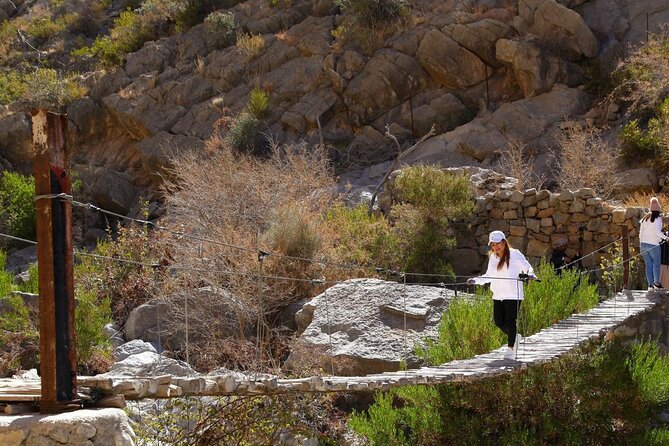
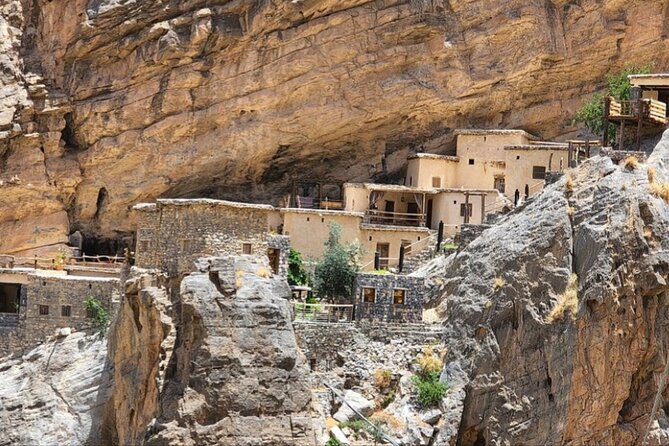
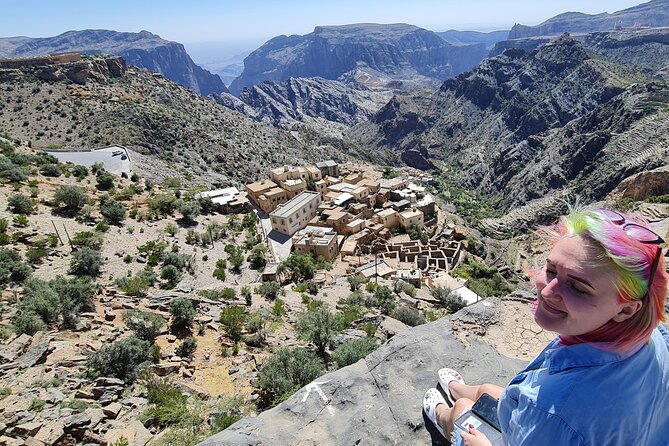
The final stop lasts about three hours and is the most distinctive part of the tour. Al Suwjara began with one family and is now divided into an old village and a new village. The old houses were built from mountain stone and mud, and the village now combines traditional architecture with a small tourism operation.
Reaching the old section takes effort. The new village is about a 20-minute hike from the old one, while the old houses require you to climb down one side of the mountain, cross a wooden bridge, and climb up the other side. Four-wheel-drive vehicles can reach the new village, but not the old houses.
This is why sturdy shoes matter more here than at any other stop. The route is described as a climb involving roughly a hundred steps and more, and the walking has been called exciting, energizing, and slightly scary. You should be comfortable with a steep mountain path before booking. The tour says most people can participate, but that does not mean the walk will suit every fitness level.
The reward is a close look at an old Omani mountain settlement rather than a quick viewpoint. The stone buildings, cliff setting, and narrow route make Al Suwjara feel tied to its terrain. You are not simply looking at a historic structure from a parking area. You are moving through the physical space that shaped the village.
The Cliff Guest House and what you can expect
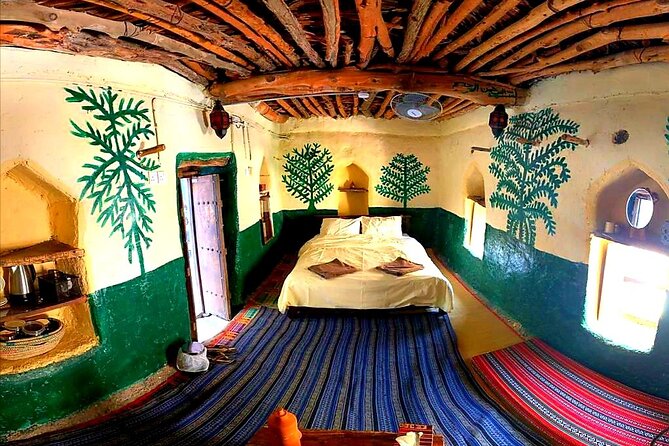
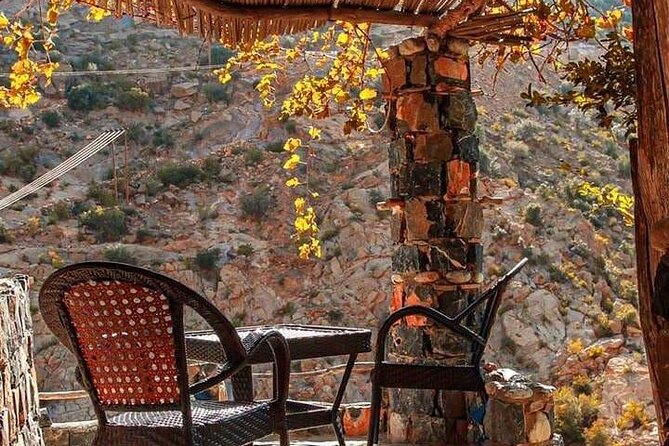
The Cliff Guest House began with one room. After three years, it had become more attractive to people visiting Jebel Akhdar, and it now has seven rooms, with more planned or under renovation. Its buildings use stone from the mountain and keep a traditional style, with views from the cliff.
The tour description mentions different suites and rooms, but it does not say that an overnight stay is included in this day trip. Think of the guest house as part of the village visit, not as accommodation bundled into the $180 price.
This detail adds useful context to Al Suwjara. The village is not only a set of abandoned homes. It is also an example of how an old place can support a small, locally rooted visitor business without losing its stone-and-mud character. You can appreciate the setting even if you do not stay there.
The three-hour allocation should give you time for the walk and village visit, but the exact split depends on your group and guide. If you have mobility concerns, ask before booking how far you will need to walk and whether you can visit only the newer section. The old houses are the main reason to come, yet access is clearly strenuous.
Is $180 a person good value?
At $180 per person, this is not a cheap day out. Its value comes from what is bundled: a private 4WD, an English-speaking Omani guide, bottled water, pickup and drop-off in the Muscat area, and entrance fees. You also avoid arranging a suitable mountain vehicle and trying to connect four separate stops on your own.
The price makes more sense for a private group than for one person booking alone. Group discounts are offered, so ask about the current rate for your party. A group sharing the private vehicle can get more from the cost than a solo visitor.
Lunch and breakfast are not included. That is the main extra to plan for, and the tour information does not specify a meal stop or food arrangement. Bring money and ask the operator what food options are practical for the day. Bottled water is included, but carrying your own additional water is sensible for the walks.
I see the tour as good value if you want a guided, private mountain day with cultural stops. It is less appealing if you only want a quick scenic drive or a relaxed resort visit. The real purchase is convenience, interpretation, and safe transport on roads you may not want to handle yourself.
Who should book this tour?
I would recommend it to you if you want more than a viewpoint. The day suits people interested in village architecture, traditional water systems, farming, mountain scenery, and active walking. Couples, families with older children, and small private groups may appreciate being able to share the vehicle and set a comfortable pace.
It is also a strong choice if you have only one day from Muscat and want to combine several parts of the Jebel Akhdar region. You will see ruins, irrigation, plantations, rose gardens, a famous viewpoint, and an old cliff village without arranging separate transport.
Think twice if steep paths are a serious problem for you. The old Al Suwjara section cannot be reached by simply stepping out of the vehicle. The long drive may also feel tiring, especially when combined with walking and the return to Muscat.
The guide can shape the day. Ahmed was praised for being friendly and informative, Mr. Alkiyumi for kindness and broad explanations, and Ghaith Al Hadi for a friendly approach. Ask questions as you go. This is the sort of tour where local context turns walls, channels, and terraces into a connected story.
Practical details before you reserve
The tour lasts approximately eight hours and begins and ends in Muscat. Pickup is offered in the Muscat area, and the listed meeting point is Star Tours Oman on 18th November Street.
Confirmation is received at booking. The activity is private, so only your group participates. Public transportation is nearby, and the supplied information says most people can take part, but the steep walk at Al Suwjara deserves your own honest assessment.
Free cancellation is available if you cancel at least 24 hours before the start time. Cancellations within 24 hours are not refunded, and changes within that period are not accepted. The cut-off uses local Oman time.
Should you book the Jebel Akhdar and Al Suwjara tour?
Book it if you want a full day that joins Oman’s mountain scenery with its older village life. The best parts are the private 4WD transport, the UNESCO irrigation stop, and Al Suwjara’s demanding but memorable walk. The tour earns its price when you value a guide and do not want to manage mountain driving yourself.
Skip it if you need a gentle, food-included outing or cannot manage steep paths. For everyone else, this is a well-rounded way to reach Jebel Akhdar from Muscat, with enough variety to keep the long drive worthwhile.
FAQ
How long does the private Jebel Akhdar tour last?
The tour lasts approximately eight hours, including the drive from Muscat, the four scheduled stops, and the return to Muscat.
Is pickup from Muscat included?
Yes. Pickup and drop-off in the Muscat area are included. The listed meeting point is Star Tours Oman on 18th November Street in Muscat.
Is this a private tour?
Yes. Only your group participates in the activity.
What type of vehicle is used?
Transportation is provided in a comfortable 4WD vehicle. A 4WD is needed for the mountain route to Jebel Akhdar.
Is a guide included?
Yes. An English-speaking Omani tour guide is included.
Is food included in the price?
No. Breakfast and lunch are not included. Bottled water is included.
How difficult is the walk to Al Suwjara’s old village?
The walk requires climbing down one side of the mountain, crossing a wooden bridge, and climbing up the other side. The old village cannot be reached by vehicle, so you should be comfortable with steep walking.
What is the cancellation policy?
You can receive a full refund by cancelling at least 24 hours before the experience starts. Cancellations or changes made within 24 hours are not accepted for a refund.
Just added in Muscat
- Wahiba Desert Safari Adventure , Swimm in Wadi Bani Khalid★ 4.5 · 2 reviews
- Wahiba Sands & Wadi Bani Khaled (Day Trip) -“Desert Safari”★ 5.0 · 1 review
- wadi shab and bimmah sinkhole tour from muscat★ 5.0 · 2 reviews
- Try scuba Diving Tours To Daymaniyat Islands.★ 5.0 · 12 reviews
- Wadi Bani Khalid – Wahiba Sands Desert – Sunset★ 4.0 · 1 review
- Wadi Shab &Bimmah Sinkhole &Heart shaped Cave &Pebble Beach★ 5.0 · 5 reviews
- Private 2-Day Guided Tour with Nizwa Friday Market Visit★ 5.0 · 2 reviews
- From Muscat Wadi Shab and Bimmah Sinkhole Tour★ 5.0 · 6 reviews
Mountain Tours in Oman, compared.
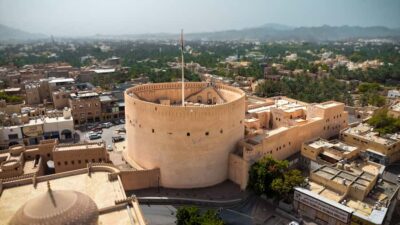
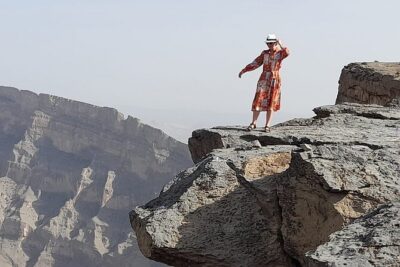
Nizwa Fort-Nizwa Souq-Misfah Al Arbyeen-Jebel Shams – Private Full Day Tour
Read our review →East Salalah Mountain Safari, Wadi Darbat, Beach, Camels, Dunes
Read our review →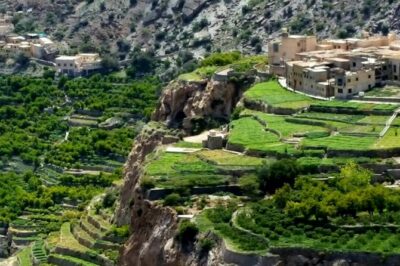
Wadi Darbat, Jabal Samhan, Baobab, Mirbat Sand Dune
Read our review →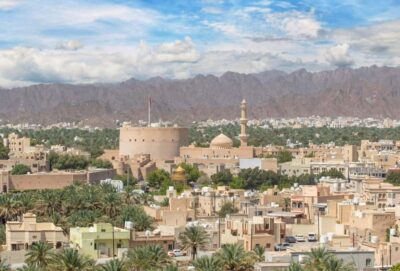
Browse the lists this tour appears in