
REVIEW · MOUNTAIN TOURS IN OMAN
From Jebel Akhdar: Al Aqur Village Cultural Cart Tour
Old Oman comes alive at cart speed.
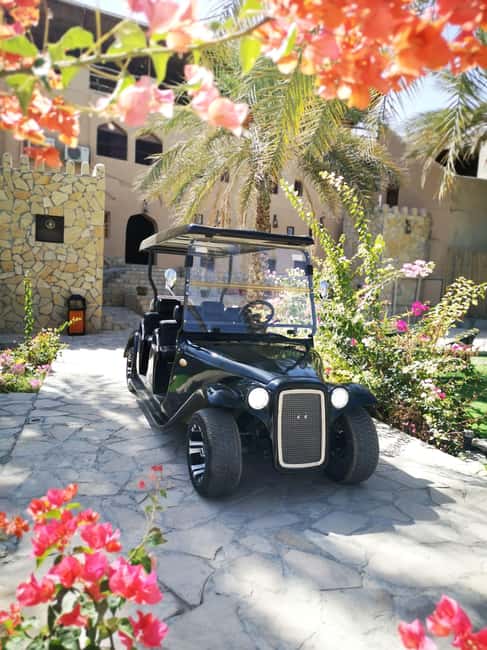
From Jebel Akhdar, this 40-minute tour rolls through Al Aqur, one of the oldest villages in the Nizwa area. You pass heritage houses and mosques while an English or Arabic-speaking guide explains Omani customs, architecture, local scholars, and the village’s distinctive irrigation system. I like the small group size of five and the easy open-air format, which lets you look around and take photographs without feeling rushed. I also like the calm, clear explanations, with an iPad available on some tours for extra cultural and historical detail.
The main consideration is the short length. Thirty-five to forty minutes gives you a useful introduction, not a full village study. Access to the ancient mosques is also limited for non-Muslims during prayer hours, and you should dress and photograph with local customs in mind.
In This Review
- Key points before you book
- Why Al Aqur is worth your time
- Riding through the old village by classic cart
- What you see at the old houses
- Mosques, customs, and respectful photography
- The falaj irrigation system explained
- A short guide-led lesson with room for questions
- Is $19 a fair price?
- Who should book this cart tour?
- Practical tips for a better visit
- Should you book the Al Aqur cart tour?
- FAQ
- How long is the Al Aqur Village Cultural Cart Tour?
- How much does the tour cost?
- What languages are available?
- How many people can join the group?
- Is the tour suitable for children and older adults?
- Can I take photographs during the tour?
- Can non-Muslims enter the ancient mosques?
Key points before you book
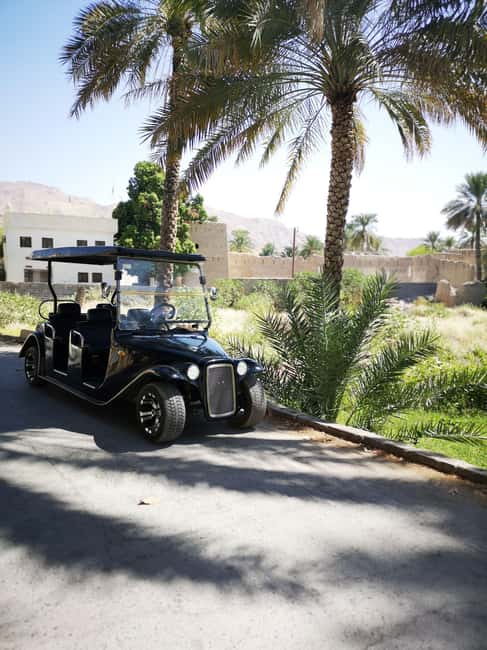
- A classic cart through Al Aqur: You see the old village from a slow, open vehicle rather than passing through on foot.
- A compact cultural lesson: The guide covers customs, architecture, famous Omani scholars, and the village’s irrigation system in one short outing.
- A village shaped by conflict: Al Aqur is described as one of Oman’s oldest historical villages and has lived through many civil wars.
- Only five places per group: The small size allows time for questions at the stops.
- Useful for all ages: No special physical requirements are listed, and space is available for strollers, wheelchairs, and other belongings.
- Good value at $19: The price includes the half-hour cart tour, an English-speaking guide, and entry to Al Bustan Inn Garden.
Why Al Aqur is worth your time
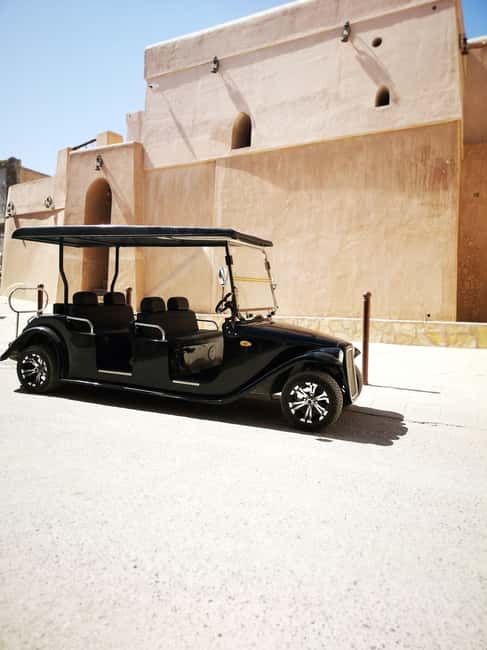
Nizwa is famous for its fort, souq, dates, and religious scholarship. Al Aqur adds a more local view. Here, the focus is not a single grand monument. It is the way a historic village works: houses close to one another, mosques serving the community, and water channels supporting daily life.
The village has experienced many civil wars, which gives the old buildings more weight than a simple photo stop. You are not just looking at aged walls. You are hearing about a place that had to protect its people, preserve its customs, and keep its water moving through periods of unrest.
I find this kind of visit useful because it connects large Omani themes to ordinary places. Forts can explain power. Villages can explain how people lived.
The tour also gives you a chance to learn about Nizwa in particular. The guide answers questions at each stopping point and may discuss notable Omani scholars and local traditions. The short format keeps the information manageable, especially if you have just arrived in the area and want to get your bearings.
More Mountain Tours in Oman
- Nizwa: Jebel Shams Balcony Walk and Via Ferrata Adventure
★ 4.8 · 12 reviews - Day Trip to Jabal Shams, Wadi Nakhar, Misfat Al Abriyeen
★ 4.6 · 10 reviews - Nizwa Market, Nizwa Fort, Misfat Al Abriyeen, Jabal Shams
★ 4.7 · 5 reviews
Riding through the old village by classic cart
The cart is the heart of the outing. It provides an open-door ride through the heritage part of Al Aqur, giving you a seated view of the houses, mosques, and lanes. You can take photographs during the ride, but the guide will also help explain what you are seeing.
This setup works well for families and mixed-age groups. You do not need to prepare for a hike or bring special equipment. Wear steady shoes anyway, since you may get out or walk briefly at stopping points, and the village setting may include uneven ground.
The ride lasts about 35 to 40 minutes. That is long enough to cover several subjects, but short enough to fit before or after a fort visit, a meal, or another Jebel Akhdar activity. You should arrive at the meeting point at least 15 minutes early. The exact meeting point details should be confirmed when you book, especially if you are coming from a hotel or mountain accommodation.
A private transfer can be arranged for an extra charge. That is useful if you do not have your own transport, but it is not included in the $19 price.
What you see at the old houses
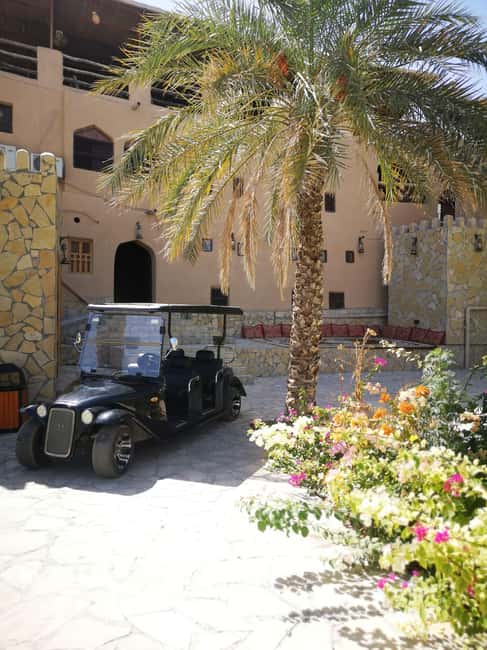
The heritage houses give the tour its visual appeal. Their value is not only their age. The guide explains the old architecture and helps you notice how the buildings relate to village life.
Expect to learn about the design details and the way Omani homes were used. The supplied information does not give the name or layout of every house, so you should not expect a fixed list of interiors or restored rooms. The focus is a guided view of the historic village and its structures from the cart and stopping points.
This is where a guide makes a real difference. Without explanation, old walls can blur together. With context, you begin to see why a doorway, courtyard, mosque, or water channel matters.
You may also get additional images and information through an iPad. That extra material is especially useful when the building itself is difficult to read at a glance. It can help you picture earlier stages of the village and understand the cultural references the guide is making.
If architecture is your main interest, ask questions. The group is limited to five people, so you have a better chance of getting an answer than on a large coach tour.
Mosques, customs, and respectful photography
Mosques are an important part of the village story, but access has a clear limit. Entry to the ancient mosques is for Muslims during prayer hours only. The tour can still explain their role and architecture from suitable points, but do not assume you will enter every mosque.
Photography is allowed. That does not mean every picture is appropriate in every situation. Pay attention to local customs, ask before photographing people, and follow the guide’s advice around religious buildings and prayer times.
This is a good place to slow down and use common sense. Oman is welcoming, but religious and family privacy matters. Dress modestly, avoid smoking, and keep your camera pointed toward buildings and public details unless you have permission to photograph people.
Bring a hat and sunscreen. The open cart gives you a clear view, but it also leaves you exposed to the sun. Water is sensible to carry, although it is not listed as an included item.
More things to do in Nizwa:
- Heritage private Tour by classic carts
★ 5.0 · 43 reviews - Old Nizwa authentic walks
★ 5.0 · 21 reviews - Full Day Private Nizwa Souq, Misfah Al Arbyeen
★ 4.8 · 15 reviews - Via Ferrata And Zip Line
★ 5.0 · 12 reviews
The falaj irrigation system explained
One of the most worthwhile subjects is the village’s irrigation system. Oman is known for traditional water channels called falaj systems, and the guide explains how this local system supported life in Al Aqur.
The point is not simply to see a channel. It is to understand how water shaped the village. Irrigation affects where people could build, grow food, and settle. It also shows the planning and shared responsibility needed to keep a community functioning in a dry climate.
The guide can answer questions at each stop, so ask how the water was managed and how it connected to daily customs. The supplied details do not specify the exact channel route or the age of each feature, so the depth of this part may depend on the guide and your questions.
Still, it gives the tour a practical edge. You are learning about a working system, not only looking at decorative ruins.
A short guide-led lesson with room for questions
The strongest part of the tour is the guide’s role. The outing is designed as an interactive sightseeing ride, not a silent circuit. You hear explanations in English or Arabic and can ask questions at the stopping points.
The tone appears to be calm and unhurried. One German-speaking visitor described the explanations as clear and peaceful, while another praised the guide’s knowledge and generous timing. A Dutch-speaking visitor also found the tour a good way to gain a quick picture of the city.
Those comments point to the tour’s real strength: it makes a limited amount of time useful. You will not receive a long lecture, but you should come away with several connected ideas about Omani culture, Nizwa, architecture, and water management.
The iPad can add another layer. It is not guaranteed that every guide will use it in exactly the same way, but the activity information notes extra visual information on some tours. If historical images or digital explanations interest you, ask the guide about them.
Is $19 a fair price?
At $19 per person, the tour is reasonably priced for a guided cultural ride. The fee includes the half-hour tour, an English-speaking guide, and entry to Al Bustan Inn Garden. It does not include unspecified extras, food, drinks, or private transport.
The value depends on what you want. If you are looking for a long visit with extensive interior access, $19 will not buy that. The tour is short, and mosque entry has restrictions. But if you want a guided introduction without spending half a day, the price makes sense.
The small group matters here. With a maximum of five people, you are paying for a personal explanation rather than simply sitting in a vehicle while a recording plays. The opportunity to ask questions can make the difference between a pleasant ride and a useful cultural visit.
The included garden entry adds a little extra value, though the supplied information does not describe the garden in detail. Treat it as an included bonus rather than the main reason to book.
Free cancellation up to 24 hours before the start gives you some flexibility. You can also reserve now and pay later, which helps if your Jebel Akhdar schedule is still changing.
Who should book this cart tour?
I would recommend it to you if you want a short, gentle introduction to Nizwa’s older village life. It suits families, older adults, and anyone who prefers sitting to walking in the heat. It also works well for a first visit, when you want a quick explanation of local customs before exploring more sites on your own.
History fans should enjoy the links between civil conflict, architecture, religious life, and water management. Photography fans will appreciate the chance to take pictures from the open cart, though respectful behavior remains important.
It is less suitable if you need a long, detailed archaeological visit. The 40-minute duration puts a firm limit on the amount of ground and history the tour can cover. It may also feel brief if you have already spent substantial time studying Nizwa’s villages and irrigation systems.
The tour is available in small groups and is suitable for all ages. Space is available for baby strollers, wheelchairs, and other belongings if needed. Smoking is not allowed.
Practical tips for a better visit
Arrive 15 minutes early. The tour is short, so a late arrival can cut into the part you paid to see.
Wear steady shoes, a hat, and sunscreen. The open-door cart is pleasant for viewing the village, but you should plan for sun exposure.
Bring your camera, but use it carefully. Photographing is allowed, yet local customs apply, especially near mosques and residents.
Ask questions about the falaj system, the old houses, and the scholars connected with Nizwa. The small group gives you a good chance to shape the discussion.
If you need a private transfer, arrange it in advance. It costs extra and is not part of the listed price.
If mosque access matters to you, clarify the prayer-hour restrictions before you go. Non-Muslim visitors should expect to view some religious sites from outside rather than enter them.
Should you book the Al Aqur cart tour?
Book it if you want a compact, well-explained look at old Nizwa rather than a long walking tour. The classic cart, small group, calm guide style, and focus on irrigation and architecture give the outing a clear purpose.
At $19, it offers good value for a 40-minute introduction, especially if you have limited time or prefer an easy ride. Just keep your expectations in line: this is a sampler of Al Aqur, not a full archaeological examination. For most visitors staying around Jebel Akhdar or Nizwa, it is a sensible way to add local history and village life to a day of sightseeing.
FAQ
How long is the Al Aqur Village Cultural Cart Tour?
The tour lasts about 35 to 40 minutes.
How much does the tour cost?
The listed price is $19 per person.
What languages are available?
The tour is offered with a live guide in Arabic or English.
How many people can join the group?
The group is limited to five participants.
Is the tour suitable for children and older adults?
Yes. The ride is suitable for all ages, and no special requirements are listed.
Can I take photographs during the tour?
Yes, photography is allowed. You should pay attention to local customs, especially around people and religious buildings.
Can non-Muslims enter the ancient mosques?
Entry to the ancient mosques is for Muslims during prayer hours only. You should not assume that non-Muslim visitors can enter during those times.
Just added in Nizwa
- Wadi Shab, Desert safari and The historical city of Nizwa★ 5.0 · 2 reviews
- Via Ferrata And Zip Line★ 5.0 · 12 reviews
- Half-Day Private Experience in Tanuf Arch★ 5.0 · 3 reviews
- Jabal Shams (Grand Canyon) Tour★ 5.0 · 2 reviews
- From Alilah, Anantara or Nizwa – Trekking | Hiking hiking Jebel Akhdar★ 5.0 · 2 reviews
- Balcony Walk of Jebal Shams (Highest Peak of Oman)★ 5.0 · 12 reviews
- Via Ferrata★ 5.0 · 2 reviews
- A Mirage In The Mountain★ 5.0 · 3 reviews
Mountain Tours in Oman, compared.
Nizwa Fort-Nizwa Souq-Misfah Al Arbyeen-Jebel Shams – Private Full Day Tour
Read our review →East Salalah Mountain Safari, Wadi Darbat, Beach, Camels, Dunes
Read our review →

Wadi Darbat, Jabal Samhan, Baobab, Mirbat Sand Dune
Read our review →
Browse the lists this tour appears in