
REVIEW · MUSCAT CITY TOURS
Oman: Private City Tour of Muscat with pick up/drop off
Muscat reveals itself one landmark at a time. This private half-day tour packs the city’s major sights into 270 minutes, from the Sultan Qaboos Grand Mosque and Royal Opera House to the old harbor, Muttrah Corniche, and famous souq. You travel by air-conditioned vehicle with pickup and drop-off at your hotel, port, airport, or another location in Muscat.
I especially like the chance to see both polished modern Muscat and the older waterfront district in one outing. I also like the local guidance, since guides such as Alhussain, Akram, Mohammed, Wahab, Saleh Al Mujaini, and Juma have been praised for their warmth, local knowledge, safe driving, and willingness to adjust the pace. The main consideration is time: this is a useful overview, not a slow, museum-heavy day, and several sights are photo stops only.
The price is $128 per group of up to four, which works out to $32 per person for a full group. That is fair for private transport and a guide, but admission fees can add up if you enter every paid site. Also, lunch or dinner is highlighted as part of the experience, yet it is not listed among the included items, so confirm the meal arrangement before booking.
In This Review
- Five things to know before you go
- Pickup, timing, and the shape of the day
- Sultan Qaboos Grand Mosque: the essential first stop
- Royal Opera House Muscat in about 40 minutes
- Qurum Beach and the marina: short coastal pauses
- Al Alam Palace and Muscat’s ceremonial center
- The National Museum: Oman in a compact format
- Al Mirani Fort and the harbor forts
- Muttrah Corniche and the fish market
- Muttrah Souq: the tour’s best chance to shop
- What the guides add to the experience
- Price, extra tickets, and overall value
- Who should book this Muscat tour?
- Should you book it?
- FAQ
- How long does the Muscat city tour last?
- Where can pickup and drop-off take place?
- Is this a private tour?
- Which languages does the guide speak?
- Is entry to the Sultan Qaboos Grand Mosque included?
- Are the Royal Opera House, Al Mirani Fort, and National Museum included?
- Is the mosque open on Friday?
- Is the Royal Opera House open on Friday?
- What clothing should I bring?
Five things to know before you go
- The Grand Mosque sets the tone: Plan on about an hour for Oman’s best-known religious landmark, with strict clothing rules.
- You see old and new Muscat together: The opera house and mosque contrast nicely with the forts, palace, fish market, and old souq.
- The guide makes the difference: Alhussain receives especially strong praise for his cultural explanations, souq help, communication, and careful driving.
- The tour is private or small-group: That gives you more room to ask questions and request changes to the schedule.
- Some sights cost extra: Opera House admission is $8 per person, Al Mirani Fort is $26, and the National Museum is $13.
- Friday needs planning: The Grand Mosque and Royal Opera House are closed on Friday, while the National Museum opens at 2 p.m.
Pickup, timing, and the shape of the day
Your guide collects you in the Muscat area, including a hotel, port, or airport. The advertised duration is 270 minutes, or four and a half hours. The listed visits add up to a little over four hours before driving time, so the pace is fairly brisk.
That pace is useful if you have a cruise stopover, a short stay, or only one free morning. It is less suitable if you want to linger at every museum display or spend a long afternoon bargaining in the souq. I would tell your guide early if the mosque, museum, or market matters most to you. Previous bookings have benefited from flexible scheduling, and Juma was specifically praised for reshaping the day around personal priorities.
Pickup is described as flexible, but you should be ready in the hotel lobby around 15 minutes before the agreed time. Water and karak tea are included, a small but welcome touch in Muscat’s heat. One summer booking described temperatures around 38 degrees, so the air-conditioned vehicle matters, especially between outdoor stops.
More Muscat city tours:
- Muscat: Half-Day Sightseeing Essentials Tour and Audio Guide
★ 4.2 · 598 reviews - Muscat: Budget Friendly City Tour
★ 4.8 · 321 reviews - Half-Day Private Muscat City Tour – Top Landmarks in Just 4 Hours
★ 5.0 · 256 reviews
Sultan Qaboos Grand Mosque: the essential first stop
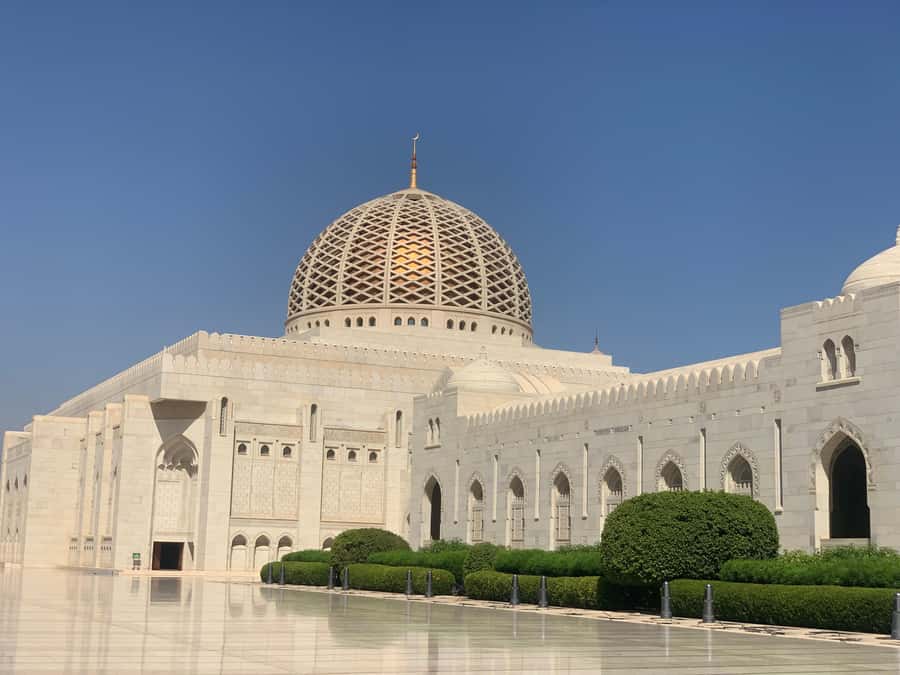
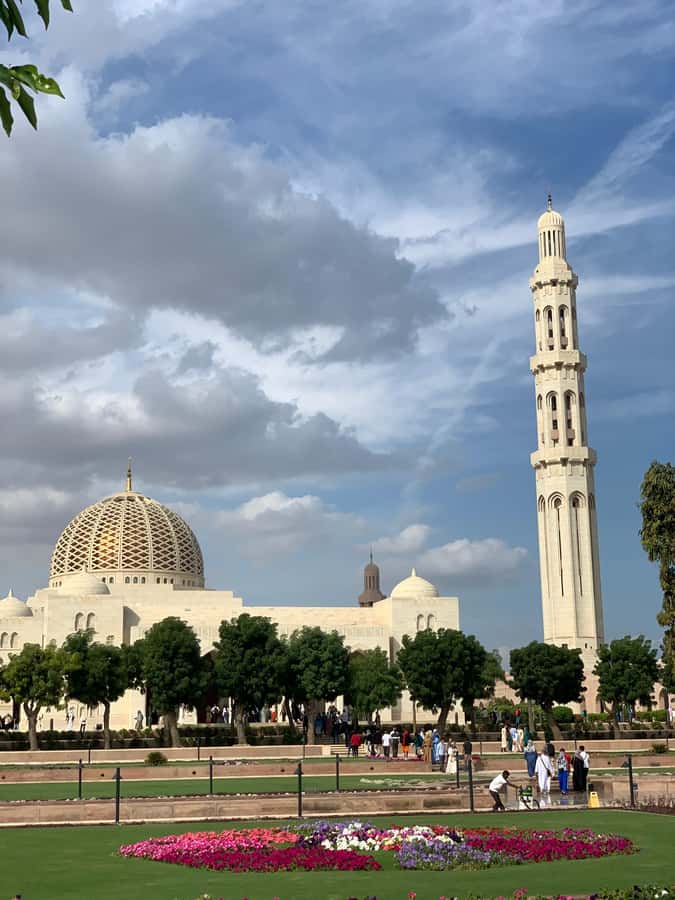
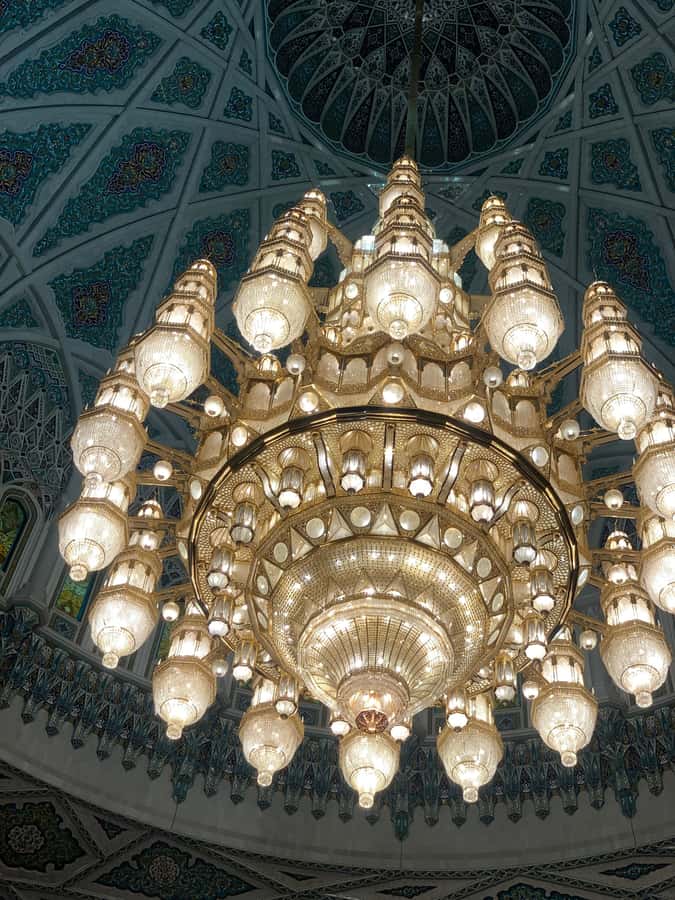
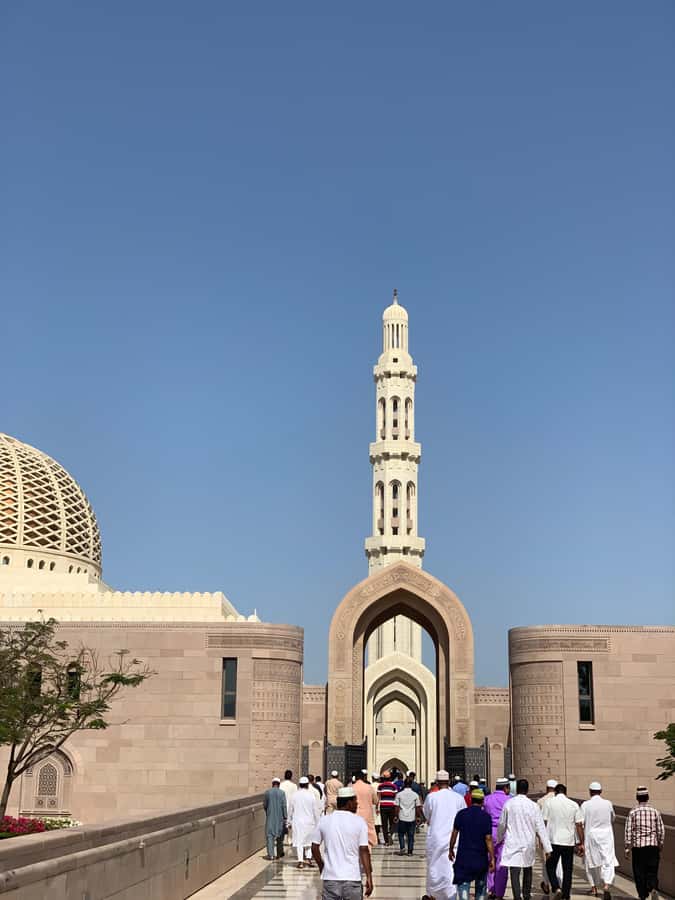
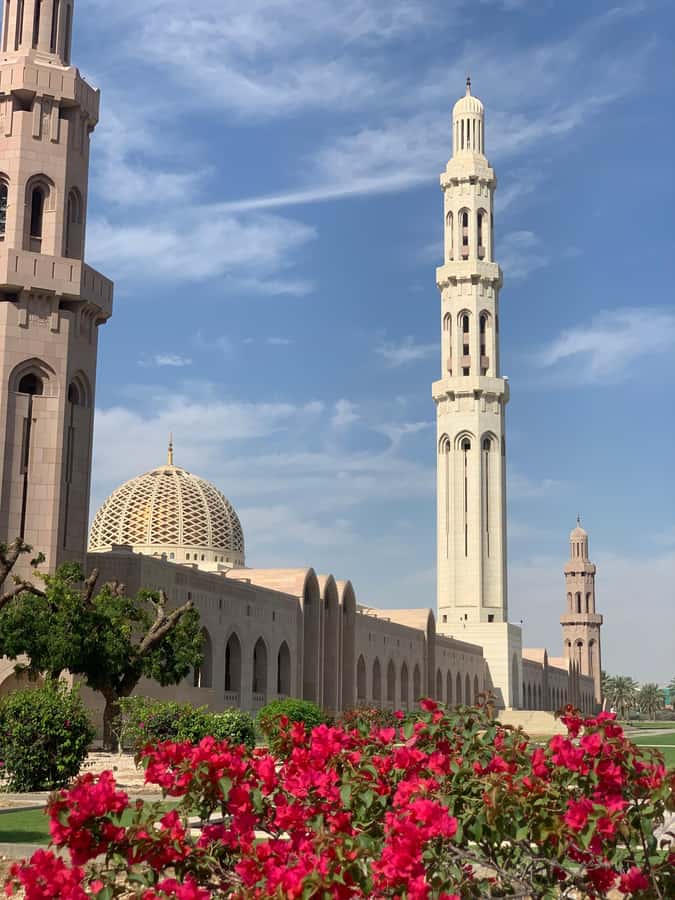
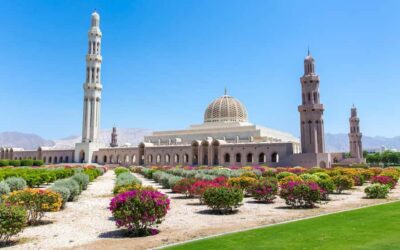
The Sultan Qaboos Grand Mosque is the visual centerpiece of the tour. You get about an hour here, enough time to take in the prayer hall, large chandeliers, modern Islamic design, and famous handwoven carpet.
This is not simply a quick exterior photo. The interior gives you a chance to understand how Oman presents its religious and artistic traditions. One guide, Saleh Al Mujaini, has been praised for arranging a conversation with an expert about Islam and Omani culture. That sort of explanation can turn a grand building into a more meaningful visit.
Dress rules are important. Women need to cover their hair and arms, and visitors should wear long pants. Bring a headscarf, head covering, or kippah as appropriate. The mosque is closed on Friday, so check the day before you book. If the mosque is your top priority, do not assume a Friday departure will work.
Allow extra care with clothing even if you are only visiting the site briefly. The tour information specifically asks you to bring modest clothing and a head covering, and this is one place where arriving prepared saves time.
Royal Opera House Muscat in about 40 minutes
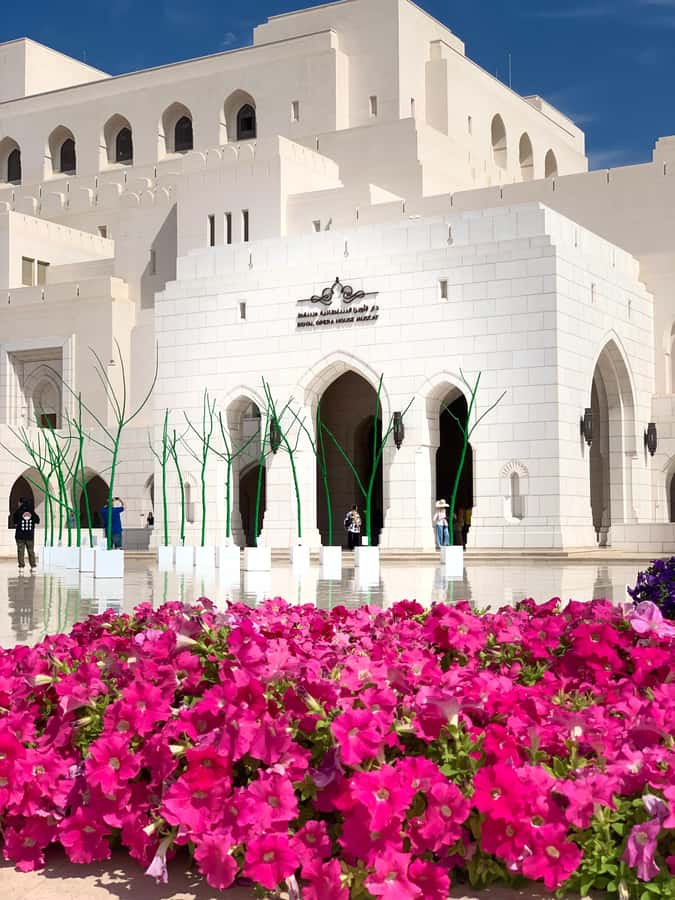
The Royal Opera House brings a different side of Muscat into view. Its marble architecture, carved wooden details, and formal halls reflect Oman’s interest in presenting music, performance, and design as part of national culture.
The schedule allows about 40 minutes, which is enough for a guided look or available exhibition but not a long performance visit. Entry is not included and costs $8 per person. The description says you may explore the interior if available, so access can depend on the day’s opening arrangements.
The opera house is closed on Friday. If you are comparing the tour’s paid extras, this is one of the more modest charges. It can be worthwhile if you enjoy architecture and interiors, but you may prefer to save the money for the National Museum or simply appreciate the exterior.
Qurum Beach and the marina: short coastal pauses
Qurum Beach is a 15-minute photo stop. You can expect a view of golden sand, palms, and the Arabian Sea, with little time for a beach walk or swimming. It provides a welcome change after the indoor visits, but keep your expectations in check: this is a camera stop, not a beach outing.
The marina offers another brief pause, with views of yachts, fishing boats, and Muscat’s coastal water. These stops help show the city’s modern waterfront and its continuing connection to the sea. They also break up the drive between major monuments.
I like these short stops because they make the city feel larger than a string of buildings. Still, if you want a slower coastal visit, tell your guide. The schedule is designed to cover the main sights rather than give you extended time at Qurum or the marina.
More things to do in Muscat:
- Muscat: Daymaniat Islands Snorkeling Trip with Brunch
★ 4.7 · 2,317 reviews - From Muscat: Wadi Shab & Bimmah Sinkhole Full-Day Tour
★ 4.8 · 1,862 reviews - Muscat: Wahiba Desert and Wadi Bani Khalid Guided Group Tour
★ 4.8 · 820 reviews - Muscat: Wadi Bani Khalid Oasis & Oman Desert Tour
★ 4.8 · 434 reviews
Al Alam Palace and Muscat’s ceremonial center
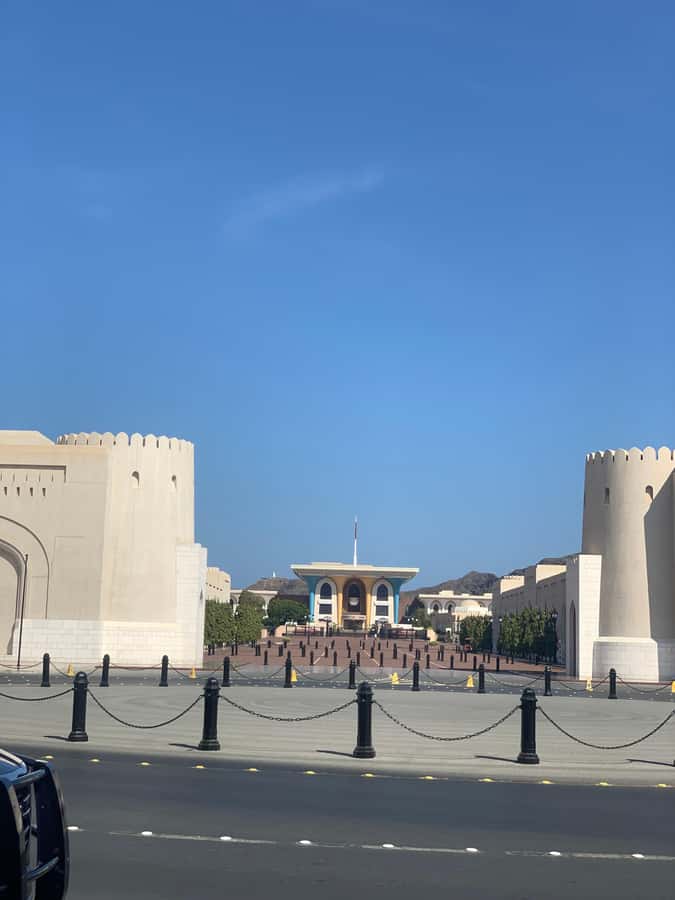
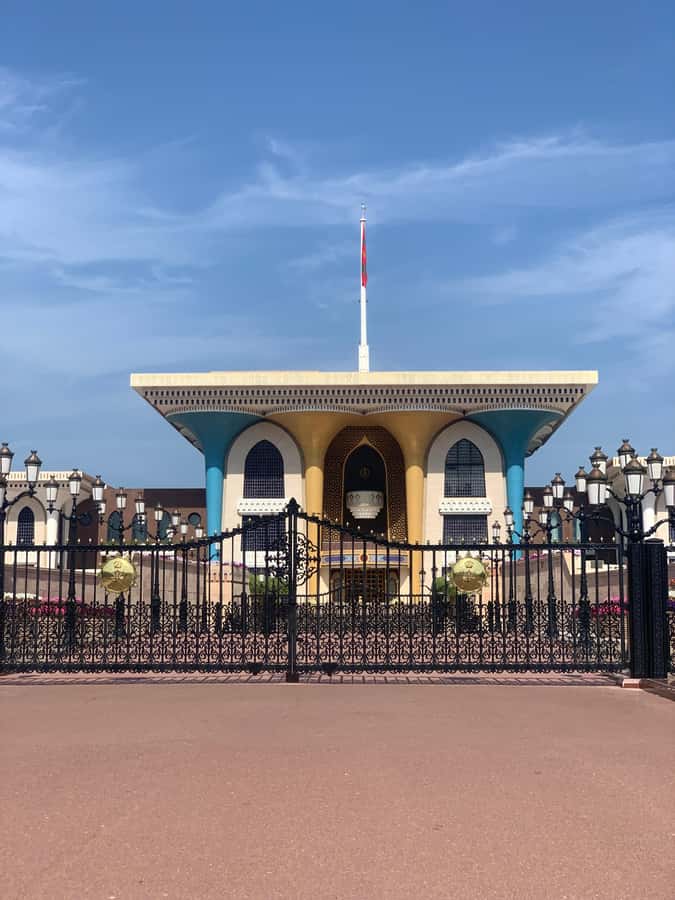
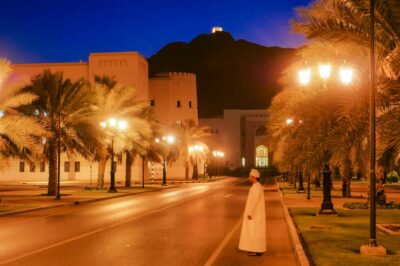
At Al Alam Palace, you see the official residence of the Sultan from outside. The palace itself is not open to the public, but the bright façade and grand courtyard make a worthwhile photo stop.
The visit is listed at about 15 minutes, so this is another place where the value comes from context rather than time spent inside. Your guide can explain the palace’s ceremonial role and its place in the old city. I would pair the stop with the nearby forts and museum, since together they show Muscat as a seat of government, defense, and cultural memory.
Entry to the palace area is included according to the tour details. Do not expect a palace tour. The attraction is the exterior setting and the chance to see one of Muscat’s most recognizable civic landmarks.
The National Museum: Oman in a compact format
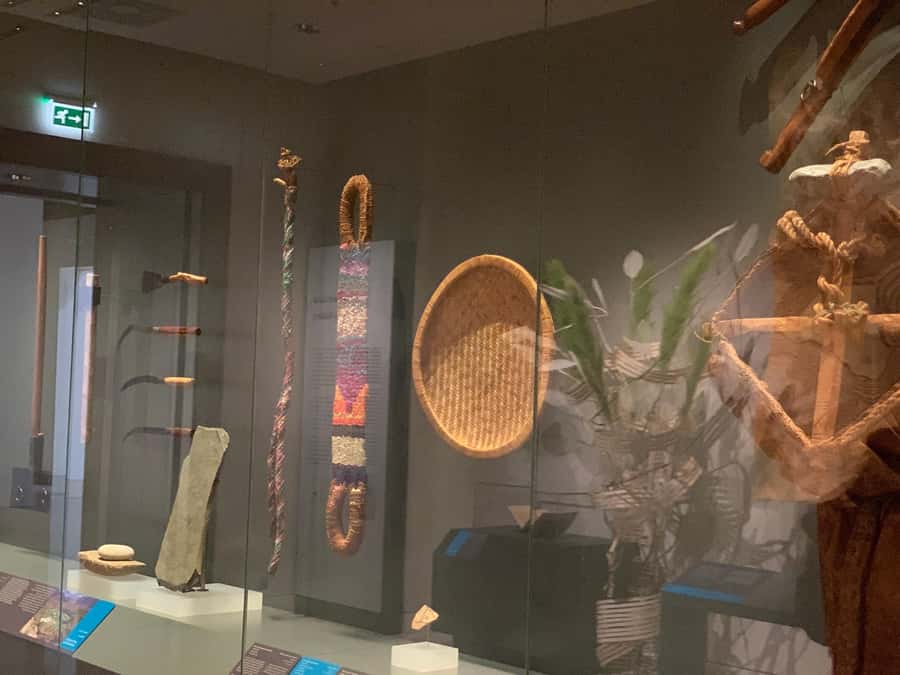
The National Museum gives the tour a stronger cultural center. You have about 35 minutes to see displays covering Omani heritage, history, and culture.
That is enough for an introduction, but not enough to study every gallery. If you already know you enjoy museums, I would consider paying the $13 admission and asking to spend more of the available time here. If you prefer outdoor sights and local shopping, you may find the shorter visit fits your day better.
Friday requires special planning. The museum opens at 2 p.m. on Friday, while the mosque and opera house are closed that day. The standard sequence may therefore need changing, and a private guide is useful because the order can be adjusted around opening hours.
Al Mirani Fort and the harbor forts
Al Mirani Fort gives you a look at Muscat’s defensive past from the harbor area. The paired Al Mirani and Al Jalali forts were built by the Portuguese in the 16th century and guard the entrance to the old harbor.
The tour includes a photo stop and visit around Al Mirani, with about 30 minutes assigned. The forts are not generally open for ordinary interior visits according to the supplied details, though an Al Mirani entry ticket is listed at $26 per person. Confirm exactly what access is available on your date before paying for that add-on.
Even from outside, the forts are valuable because of their setting. They sit against the rocky coastal surroundings, overlooking the old harbor and the ceremonial center. The view helps explain why Muscat developed as a protected port. You get more from this stop if your guide connects the fortifications to the city’s maritime past rather than treating them as a quick photo background.
Muttrah Corniche and the fish market
Muttrah is where the tour feels most connected to everyday city life. The Corniche runs beside the water, with views toward the sea, mountains, and traditional dhows. It is a good place to slow your pace for a few minutes after the formal monuments.
The fish market adds a working local scene. You can see the day’s catch being traded and get a clearer sense of how the waterfront functions beyond sightseeing. The supplied program highlights the market as a cultural experience, though the detailed itinerary gives the most time to the nearby souq.
The stop can be especially useful if you want more than polished architecture. Keep in mind that a fish market is a real place of commerce, not a staged attraction. Follow your guide’s lead on where to walk and how long to stay.
Muttrah Souq: the tour’s best chance to shop
The final major stop is Muttrah Souq, one of the region’s oldest markets. Its narrow passages carry the scent of frankincense and spices, and the shops sell silver jewelry, handicrafts, textiles, and souvenirs.
You have about an hour here. That is enough to browse and make a few purchases, though serious shoppers may want a separate visit. The souq can be confusing at first, and a local guide adds real value by helping you find particular items and communicate with sellers.
Alhussain received special praise for helping one person locate a hoped-for purchase and negotiate with the seller for a fair price and good quality. Another booking described him as making sure the shopper was not overcharged. That does not mean every price can be guaranteed, but it does suggest why a private guide can be more useful here than a simple drop-off.
Use the hour to compare prices before buying. Frankincense, silver pieces, textiles, and small handicrafts are easier to carry than large decorative goods. If you want to shop seriously, tell the guide before the visit so the rest of the schedule does not leave you rushed.
What the guides add to the experience
The strongest part of this tour is the human element. Names that appear repeatedly in the feedback include Alhussain, Akram, Mohammed, Wahab, Saleh Al Mujaini, and Juma. The praise centers on clear English, warm conversation, local pride, careful driving, flexibility, and strong explanations of Omani culture and history.
That matters because Muscat’s sights can otherwise blur together. A guide can explain why a palace is viewed only from outside, why the forts occupy their particular positions, and how modern architecture fits alongside older Omani forms.
The guide can also shape the day around you. Alhussain was praised for patience, communication before pickup, help in the souq, and recommending an authentic Omani meal. One booking described the meal portion as very generous, enough to last several days for one person. Since the meal is not clearly listed under included services, ask if food is included or paid separately.
Several people also praised safe driving and a comfortable vehicle. That is important in Muscat because the tour moves among spread-out sites, and outdoor stops can be hot. The private format means you can ask questions without waiting for a large group to catch up.
Price, extra tickets, and overall value
At $128 for up to four people, the price is strongest when you fill the vehicle. Four people pay $32 each before optional entry fees. Two people pay $64 each, and a solo booking carries the full group cost unless the provider offers a different rate at checkout.
The base price includes pickup and return, water, karak tea, entry to the Grand Mosque, Muttrah Souq, and Al Alam Palace. The paid extras are:
- Royal Opera House: $8 per person
- Al Mirani Fort: $26 per person
- National Museum: $13 per person
Entering all three would add $47 per person. That changes the cost quite a bit, so decide in advance which interiors matter most. I would usually prioritize the Grand Mosque and National Museum, then choose the opera house or fort according to your interests and opening hours.
The 4.4 rating from 88 bookings suggests a generally strong experience, with the most consistent praise directed toward the guides rather than any single attraction. The one clear caution in the feedback is price. One person felt tours in Oman were expensive and advised comparing options. That is fair advice, but private transport, pickup from a port or airport, and a flexible guide can justify the cost for a short visit.
Free cancellation up to 24 hours before departure and reserve-now, pay-later terms make it easier to keep plans flexible. Still, confirm the starting time, pickup point, meal arrangement, and paid admissions before finalizing.
Who should book this Muscat tour?
I would recommend it for first-time visitors who want a broad introduction without arranging several taxis or rental-car stops. It is also well suited to cruise passengers and people with a Muscat stopover, since pickup and return can be arranged at a port or airport.
Families and small groups benefit from the private setup, especially if different people want different amounts of time at the museum, mosque, or souq. The air-conditioned vehicle and short photo stops also help during hotter months.
You may want another option if your main goal is a long museum visit, extended beach time, or a relaxed market afternoon. The schedule covers a lot, and its strength is variety rather than lingering.
Should you book it?
Book this tour if you want Muscat’s major sights in one well-organized half-day and value a local guide who can explain the city, help with souq shopping, and adjust the plan. The best value comes with three or four people sharing the $128 group price.
Before booking, check the day of the week, especially if Friday is involved. Ask which paid interiors are open, confirm whether lunch or dinner costs extra, and tell the provider which stop matters most to you. If those details fit your plans, this is a practical and culturally focused introduction to Muscat, with the souq and the guide’s local help likely to be the most memorable parts.
FAQ
How long does the Muscat city tour last?
The tour lasts 270 minutes, or four and a half hours.
Where can pickup and drop-off take place?
Pickup and drop-off are available from hotels, the airport, the port, or another location in Muscat.
Is this a private tour?
Private and small-group options are available.
Which languages does the guide speak?
The tour is offered with live guides in English and Arabic.
Is entry to the Sultan Qaboos Grand Mosque included?
Yes, entry to the Sultan Qaboos Grand Mosque is included.
Are the Royal Opera House, Al Mirani Fort, and National Museum included?
No. The listed additional prices are $8 per person for the opera house, $26 per person for Al Mirani Fort, and $13 per person for the National Museum.
Is the mosque open on Friday?
No. The Sultan Qaboos Grand Mosque is closed on Friday.
Is the Royal Opera House open on Friday?
No. The Royal Opera House is closed on Friday.
What clothing should I bring?
Bring long pants and a headscarf or other head covering. Women are required to cover their hair and arms when visiting the Grand Mosque.
Just added in Muscat
- Wahiba Desert Safari Adventure , Swimm in Wadi Bani Khalid★ 4.5 · 2 reviews
- Wahiba Sands & Wadi Bani Khaled (Day Trip) -“Desert Safari”★ 5.0 · 1 review
- wadi shab and bimmah sinkhole tour from muscat★ 5.0 · 2 reviews
- Try scuba Diving Tours To Daymaniyat Islands.★ 5.0 · 12 reviews
- Wadi Bani Khalid – Wahiba Sands Desert – Sunset★ 4.0 · 1 review
- Wadi Shab &Bimmah Sinkhole &Heart shaped Cave &Pebble Beach★ 5.0 · 5 reviews
- Private 2-Day Guided Tour with Nizwa Friday Market Visit★ 5.0 · 2 reviews
- From Muscat Wadi Shab and Bimmah Sinkhole Tour★ 5.0 · 6 reviews
Muscat City Tours, compared.

Half-Day Sightseeing Essentials Tour and Audio Guide
Read our review →
Half-Day Private Muscat City Tour – Top Landmarks in Just 4 Hours
Read our review →
Private Muscat City Tour With Pick-up/ Drop-off
Read our review →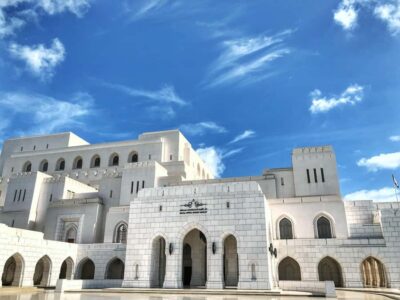
4 hours private Tour of Muscat City with Pick-up
Read our review →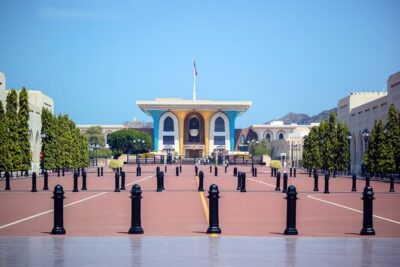
Browse the lists this tour appears in