
REVIEW · NIZWA AND OMANI FORTS
Nizwa Fort – Nizwa Souk – Al Hamra – Misfah – Jebel Shams
Oman saves its best views for the mountains. This private day trip links the old capital of Nizwa with village life and the huge gorge of Jebel Shams, giving you a strong mix of forts, markets, farming traditions, and mountain scenery. I especially like the private 4×4 transport and the chance to visit Misfah Al Abriyeen, where old paths and falaj water channels still shape village life.
I also like that the Nizwa Fort entrance fee is included, since it saves you one extra expense at the first major stop. The main consideration is the pace: Nizwa, Al Hamra, Misfah, and Jebel Shams cover a lot of ground in one day, and lunch is not included. If mountain roads or high altitude trouble you, this may not be the right outing.
In This Review
- Key points to know before booking
- Why this Muscat day trip works
- Starting from Muscat and heading inland
- Nizwa Fort: Oman’s old capital from above
- Nizwa Souk: a market beside the fort
- Al Hamra and a look at older village life
- Misfah Al Abriyeen and the falaj water channels
- Jebel Shams and the Wadi Ghul gorge
- Food, timing, and what to carry
- Who will get the most from this tour?
- Should you book it?
- FAQ
- Where does the tour pick you up?
- Where can the tour drop you off?
- Is the Nizwa Fort entrance fee included?
- Is lunch included?
- What languages does the guide speak?
- Is this a private tour?
Key points to know before booking
- Nizwa Fort gives you history and wide views: The old military stronghold is now a museum with views over the ancient town and nearby mountains.
- Nizwa Souk is right beside the fort: You can browse jewelry, pottery, fish, meats, and other local goods without adding a separate stop.
- Misfah Al Abriyeen offers a slower village walk: Marked footpaths and the old falaj water system let you see how water supports homes and plants in a dry region.
- Jebel Shams is about the gorge, not simply the summit: At roughly 3,009 meters, Oman’s highest mountain is best known for views into Wadi Ghul, often called the Grand Canyon of Oman.
- A private 4×4 makes the long day easier: You travel with an English or Arabic-speaking guide rather than sharing the vehicle with a large group.
- Lunch is your responsibility: Bring cash or a card, and plan for food before setting off or during the day when your guide advises.
Why this Muscat day trip works
This is a big day with a clear story. You begin in Oman’s old capital, see how a fortified town traded and defended itself, then move into the mountains to look at village water systems and dramatic rock country.
I like this order because the sights grow more rugged as the day goes on. Nizwa gives you buildings and human history. Al Hamra adds a glimpse of older domestic life. Misfah shows a village still tied to its water channels. Jebel Shams finishes with the broadest views.
The private format matters here. You are not simply being moved from one photo stop to the next in a crowded coach. A private vehicle gives you more room, and the guide can help explain what you are seeing in English or Arabic. The vehicle is a 4×4, which suits the mountain portion better than a standard city car.
The advertised price is $244 per person. That is not a budget day out, especially because lunch is extra. Still, the fee includes pickup and drop-off around Muscat, transport, a guide, water, and the Nizwa Fort ticket, listed at 5 OMR, or about $13, per person. For someone who wants a private mountain day without arranging separate transport, tickets, and guiding, the price can make sense.
More Mountain Tours in Oman
- From Muscat: Nizwa and Jebel Akhdar Tour with Lunch
★ 4.8 · 319 reviews - Nizwa Fort-Nizwa Souq-Misfah Al Arbyeen-Jebel Shams – Private Full Day Tour
★ 5.0 · 220 reviews - Full Day Private Nizwa/Jebel Akhdar
★ 5.0 · 205 reviews
Starting from Muscat and heading inland
Pickup is available from Muscat, the Muttrah Fort entrance, or Muscat International Airport. Drop-off can return you to Muscat, the Muttrah Fort entrance, or the airport.
That range is useful if you are arranging the tour around a hotel stay, a port visit, or an arrival or departure day. If you select the airport, the guide is expected to meet you in the arrivals area with a sign showing your name and the company logo. At the port, the meeting point is the main gate, also with a sign. Hotel pickups are handled in the lobby.
Because this is a one-day trip with several major stops, I would keep your schedule on that day fairly open. The stated plan has you return to Muscat in the late afternoon, but the time spent at each stop can affect how leisurely the day feels.
Wear comfortable clothes and shoes. You will walk at the fort, in the souk, and through village paths. Bring water, a camera, cash, and a credit card. Water is supplied, but carrying a little extra is sensible on a mountain day.
Nizwa Fort: Oman’s old capital from above
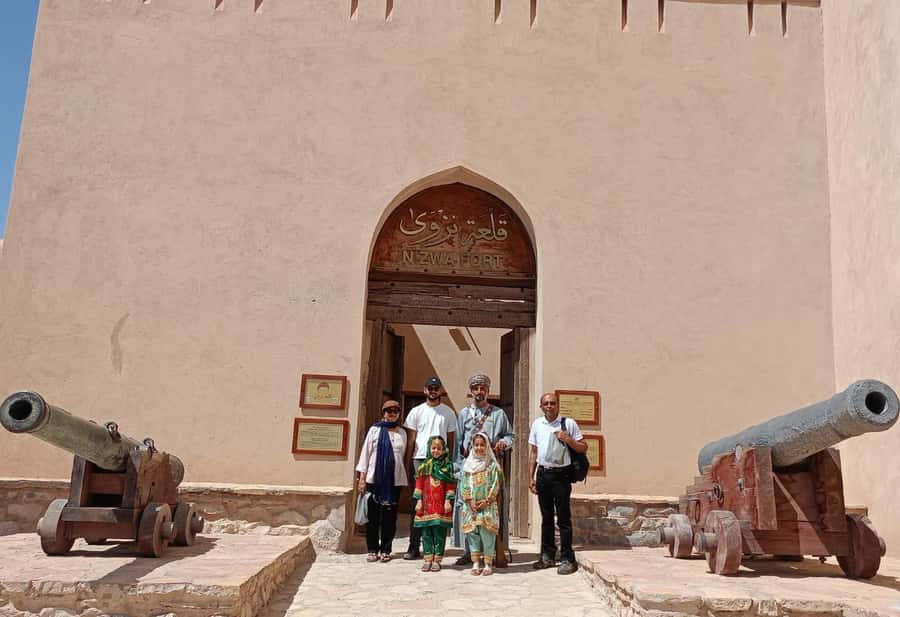
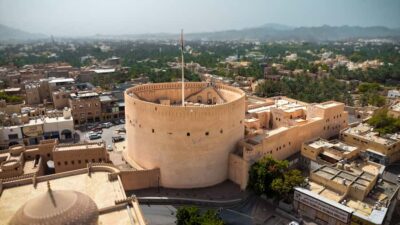
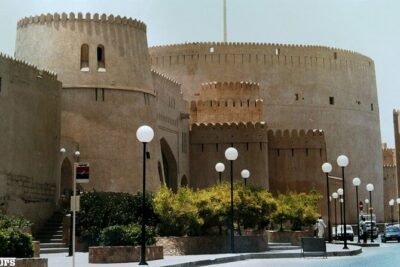
Nizwa was Oman’s old capital, and the fort is the natural place to begin understanding the city. This is not just a quick exterior photo stop. The fort is now a museum, so you can walk through its rooms and learn about its role in the surrounding area.
Its original purpose was serious. The fort served as a military base built to withstand difficult attacks and sieges. That gives the thick walls and defensive design a practical meaning. You are looking at a building shaped by Oman’s political and military past, not a decorative palace made only for show.
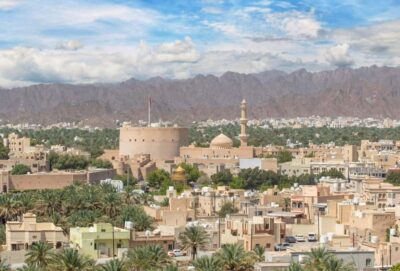
The fort’s other reward is its position. From the upper areas, you get views over the old town and toward the nearby mountains. Those views help you place the rest of the day. Nizwa sits below the mountain country you will later reach, and the fort lets you see that change from town to high rock.
The entrance ticket is included in the tour price. That is a small but useful advantage, since you do not need to handle the 5 OMR admission separately. Give yourself time to walk rather than treating the fort as a quick stop on the way to the mountains.
The fort can be warm, and some surfaces may be uneven. Comfortable shoes matter. If you want to take photographs, this is one of the strongest places on the route because you can frame both the old town and the mountains from one location.
Nizwa Souk: a market beside the fort
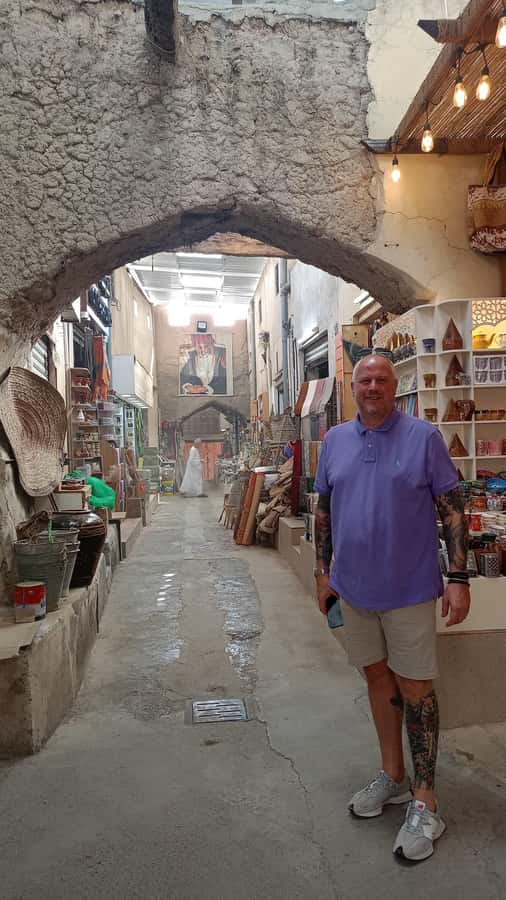
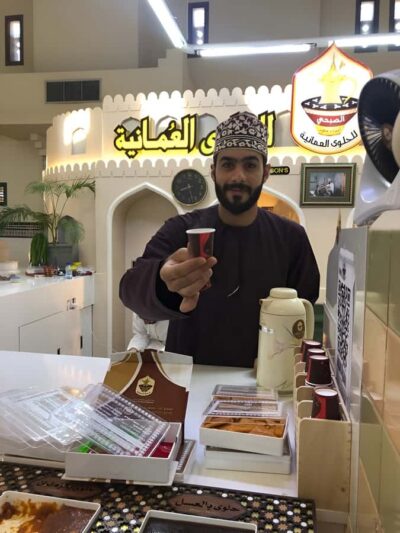
The souk sits next to the fort, so this stop adds plenty without requiring another long drive. It is a local marketplace with a wide range of goods, including jewelry, pottery, fish, and meats.
That mix is important. A market is not only a place to buy a souvenir. It shows what a town sells, uses, and values in daily life. Jewelry and pottery may appeal to shoppers, while the food sections give the market a more ordinary, working character.
You should expect a different feel from a polished shopping center. The souk is best approached as a place to look carefully, notice the goods, and follow your guide’s lead on where to walk. If you plan to buy anything, cash is worth carrying, though the tour information also recommends bringing a credit card.
Your time here may be shorter than you would have on a stand-alone Nizwa visit because Al Hamra, Misfah, and Jebel Shams are still ahead. I would focus on the sections that interest you most instead of trying to see every stall.
More forts and souqs in Muscat:
- From Muscat: Nizwa and Oman’s Historical Gems Tour
★ 4.7 · 403 reviews - Nizwa Heritage & Culture Full Day Tour with Audio Guiding
★ 4.3 · 213 reviews - Nizwa & Jabel Akhder (Sharing)
★ 5.0 · 197 reviews - From Muscat: Nizwa and Jebel Shams Day Trip
★ 4.8 · 153 reviews
Al Hamra and a look at older village life
After Nizwa, the route continues to Al Hamra. The purpose here is less about one famous monument and more about seeing an older village setting and learning how local people created a way of life in earlier times.
This stop helps bridge the gap between the city and the mountain villages. Nizwa shows a major historic center. Al Hamra shifts your attention to homes, local routines, and the way people adapted to their surroundings.
The description calls this a quick tour, so set your expectations accordingly. You will get an introduction rather than an exhaustive visit. That is not necessarily a weakness. On a day with four main areas, a shorter Al Hamra visit helps preserve time for Misfah and Jebel Shams.
Listen closely to the guide here. The value comes from context, and a guide can explain details that are easy to miss when you simply walk past older buildings. Since no meal is included, this is also a good point to think about lunch timing with your guide.
Misfah Al Abriyeen and the falaj water channels
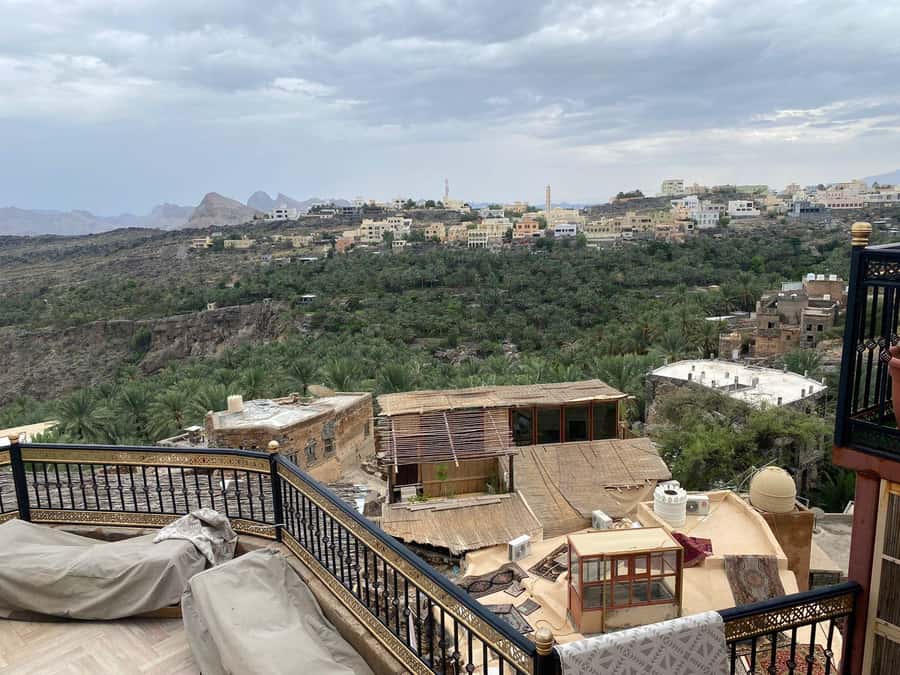
Misfah Al Abriyeen is one of the most appealing stops for anyone who likes places that feel lived in rather than staged. The village sits at the base of Jebel Shams and has marked footpaths for walking.
The most important feature is the falaj water system. These channels carry water to nearby vegetation, allowing plants and village life to continue in a dry setting. You can see how water moves through the settlement and supports the cultivated areas. That simple system explains a great deal about why the village exists where it does.
I would slow down here. The marked paths invite you to explore on foot, and this is the stop where rushing would cost you the most. Look at the relationship between the houses, paths, water channels, and planted areas. The village is not merely a backdrop for photographs. Its layout reflects practical choices made around water.
Good shoes are especially useful at Misfah. The paths are walkable, but the tour information does not promise flat, paved surfaces throughout. Comfortable clothing also helps in the heat and during the climb toward the mountain.
The drawback is time. Because the tour continues to Jebel Shams and must return to Muscat, you may not get as long a village walk as you would on a dedicated Misfah visit. Still, even a careful short walk can make this one of the most meaningful parts of the day.
Jebel Shams and the Wadi Ghul gorge
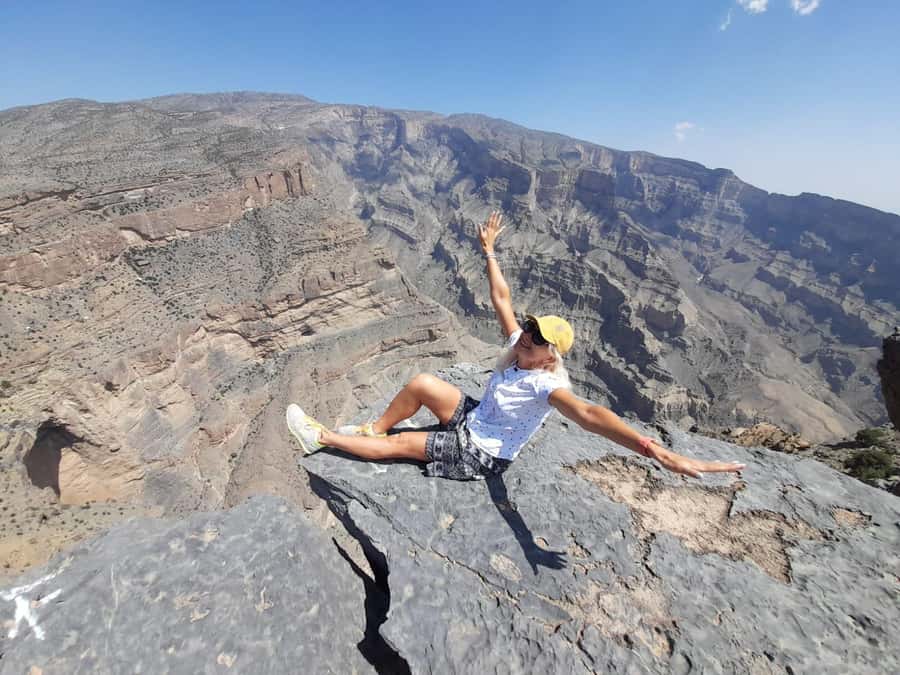
The final major stop is Jebel Shams, Oman’s highest mountain at about 3,009 meters. The Arabic name means Mountain of the Sun, but the peak itself is not the main reason to come.
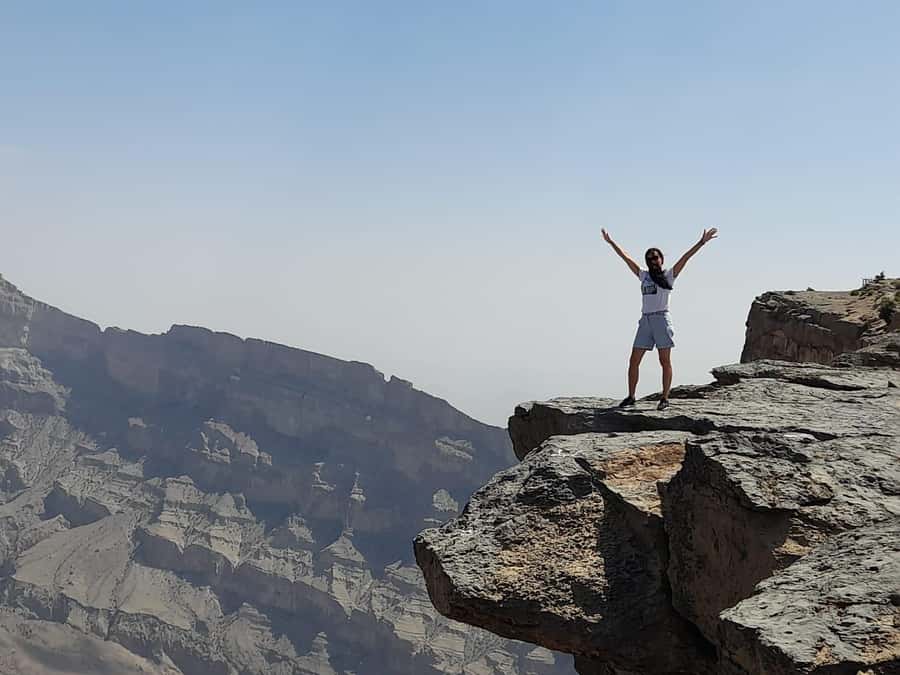
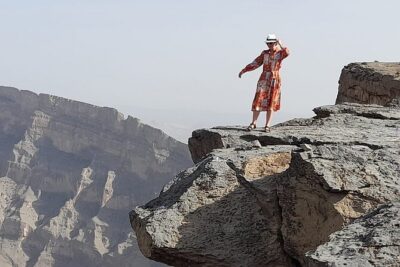
The great attraction is the view into Wadi Ghul, a spectacularly deep gorge often called the Grand Canyon of Oman. From the mountain, you can look across an immense cut in the rock and see why this area is one of the country’s signature natural sights.
The scale changes the mood of the tour. Nizwa is close and detailed. Misfah rewards careful walking and observation. Jebel Shams opens everything out. You are no longer looking at a building or a village system. You are facing a huge mountain scene that is difficult to take in from a single glance.
The 4×4 vehicle is a practical choice for this section of the trip. The tour is built around a mountain drive, and the guide handles the transport while you concentrate on the views. You should still expect the day to involve road time, not just viewpoints. The route connects several places spread across Ad Dakhiliyah Governorate.
Altitude is the main health concern. The tour is not suitable for people with altitude sickness. If you already know that high places cause you problems, take that warning seriously rather than treating it as a minor footnote.
Bring your camera, but do not spend the entire stop looking through it. The gorge is the reason for the long journey from Muscat, and the most useful thing you can do is allow yourself time to look around. Weather and visibility can affect the view, and the tour cannot control mountain conditions.
Food, timing, and what to carry
Lunch is not included, so you need to budget for it. The supplied information does not specify a restaurant or a fixed meal stop, which means you should confirm the plan with the guide at the start of the day.
Carry cash as well as a card. Cash can be useful at the souk or for food, while a card gives you another option. Water is included, but comfortable shoes, a camera, and practical clothing belong on your packing list.
Alcoholic drinks are not allowed in the vehicle, and alcohol and drugs are prohibited. Red wine is specifically listed among the items not allowed. These rules are straightforward, but knowing them before pickup avoids an awkward start.
Free cancellation is available up to 24 hours before departure for a full refund. You can also reserve now and pay later, which helps if your Muscat plans are still shifting. The activity is valid for one day, with the exact starting time based on availability.
Who will get the most from this tour?
I would recommend this trip to you if you want Oman’s major inland sights in one private day and prefer a guide to manage the driving. It suits visitors who want more than a fort and souk, but who do not have time to spend several days in the mountains.
It is also a good match if you care about contrasting experiences. You get military history at Nizwa Fort, commerce at the souk, village life in Al Hamra, water engineering at Misfah, and wide mountain views at Jebel Shams.
You may want another plan if you prefer long, unhurried visits. Four major areas in one day means each stop has limits, especially Al Hamra and Misfah. A separate overnight mountain stay would offer a slower rhythm, but this tour gives you a useful first look without requiring a longer trip.
The private format is valuable for couples, families, or small groups who want their own vehicle and guide. It is less appealing if your first concern is keeping the cost as low as possible. At $244 per person, you are paying for convenience, a private group, 4×4 transport, guiding, water, and the included fort admission, not just for entry to one attraction.
Should you book it?
Book this tour if you want a full inland survey from Muscat and the thought of handling mountain transport yourself is unappealing. The strongest parts are the private 4×4, the excellent range of stops, the included Nizwa Fort ticket, and the chance to walk through Misfah Al Abriyeen before reaching the Wadi Ghul gorge.
Think twice if you need a slow schedule, dislike long road days, have altitude concerns, or want lunch handled in advance. For the right visitor, this is a high-value way to connect Oman’s old capital with its mountain villages and biggest natural view in a single day.
FAQ
Where does the tour pick you up?
Pickup is available from Muscat International Airport, the Muttrah Fort entrance, and Muscat. Hotel pickup in the Muscat area is included, with the guide waiting in the hotel lobby.
Where can the tour drop you off?
Drop-off is available in Muscat, at the Muttrah Fort entrance, or at Muscat International Airport.
Is the Nizwa Fort entrance fee included?
Yes. The tour includes the Nizwa Fort ticket, listed as 5 OMR, or about $13, per person.
Is lunch included?
No. Lunch is not included in the tour price.
What languages does the guide speak?
The live guide is available in English or Arabic.
Is this a private tour?
Yes. The activity is offered as a private group tour with transportation in a 4×4 vehicle.
Just added in Muscat
- Wahiba Desert Safari Adventure , Swimm in Wadi Bani Khalid★ 4.5 · 2 reviews
- Wahiba Sands & Wadi Bani Khaled (Day Trip) -“Desert Safari”★ 5.0 · 1 review
- wadi shab and bimmah sinkhole tour from muscat★ 5.0 · 2 reviews
- Wadi Bani Khalid – Wahiba Sands Desert – Sunset★ 4.0 · 1 review
- Wadi Shab &Bimmah Sinkhole &Heart shaped Cave &Pebble Beach★ 5.0 · 5 reviews
- Try scuba Diving Tours To Daymaniyat Islands.★ 5.0 · 12 reviews
- Private 2-Day Guided Tour with Nizwa Friday Market Visit★ 5.0 · 2 reviews
- From Muscat Wadi Shab and Bimmah Sinkhole Tour★ 5.0 · 6 reviews
Nizwa and Omani Forts, compared.
Nizwa Fort-Nizwa Souq-Misfah Al Arbyeen-Jebel Shams – Private Full Day Tour
Read our review →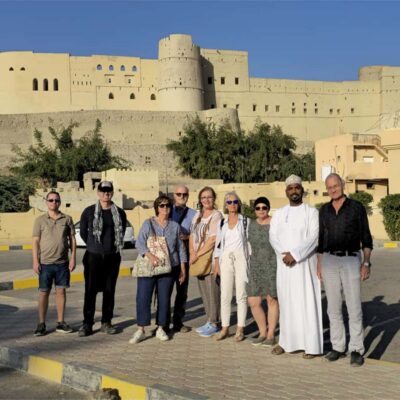
Nizwa Heritage & Culture Full Day Tour with Audio Guiding
Read our review →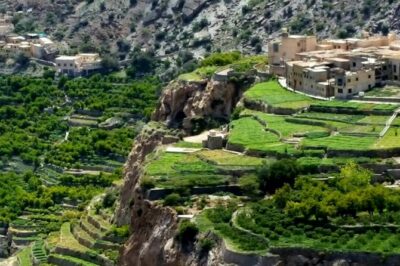
Browse the lists this tour appears in