
REVIEW · NIZWA AND OMANI FORTS
Nizwa and Oman’s Historical Gems Tour
Oman rewards an early start. This full-day trip from Muscat gives you a useful choice of five routes, from Nizwa’s Friday livestock market to the cool heights of Jebel Akhdar or the Grand Canyon of Oman at Jebel Shams. I like the mix of major sights and ordinary local life, especially the souq, falaj water system, and traditional house visit. I also like that transport, a professional guide, lunch, coffee, and tea are included.
The main drawback is that entrance fees are extra for Nizwa Fort and Al Hamra, and the 7 to 10-hour duration includes driving between sites. The mountain options can also feel rushed if you want long walks or quiet time, so choosing the right route matters more than simply choosing the cheapest day out.
In This Review
- Key points to know before booking
- Why Nizwa makes a strong day trip from Muscat
- Nizwa Souq: start with the city’s everyday life
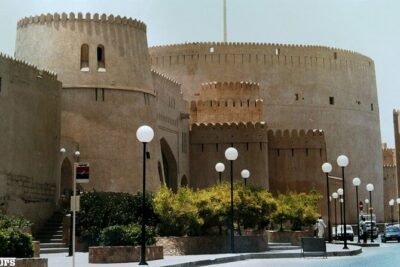
- Nizwa Fort: climb for the view, stay for the details
- Falaj Daris: the water story behind Nizwa
- Al Hamra: a personal look at traditional home life
- Choose Bahla and Jabreen for forts and decorated interiors
- Choose the Oman Across Ages Museum for old and new Oman
- Choose Jebel Akhdar for cooler mountain air
- Choose Jebel Shams for Oman’s Grand Canyon
- Timing, transport, and group size
- What the guide adds to the day
- Who should book this Nizwa tour?
- Should you book it?
- FAQ
- Where does the tour begin and end?
- How long does the experience last?
- How much does the tour cost?
- What is included in the price?
- Are Nizwa Fort entrance fees included?
- Is the Al Hamra entrance fee included?
- What are the five route options?
- Is the Friday livestock market included on every departure?
- How many people can join the tour?
- Can I cancel for a full refund?
Key points to know before booking
- Five distinct routes: Choose among the Friday livestock market and Al Hamra, Bahla and Jabreen, the Oman Across Ages Museum, Jebel Akhdar, or Jebel Shams.
- Nizwa’s central tower: The fort climb rewards you with broad views, while its rooms explain warfare, prison life, and local customs.
- A real water system: Falaj Daris is one of Oman’s most important traditional irrigation channels and is part of a UNESCO World Heritage listing.
- Small-group format: The maximum group size is 20 people, with pickup and drop-off from Muscat.
- A useful cultural stop: In Al Hamra, three local women demonstrate bread-making, coffee grinding, and juniper-oil production.
- Good planning matters: The Friday market route offers a special experience, but the market visit is time-specific and cannot be treated like a casual stop.
Why Nizwa makes a strong day trip from Muscat
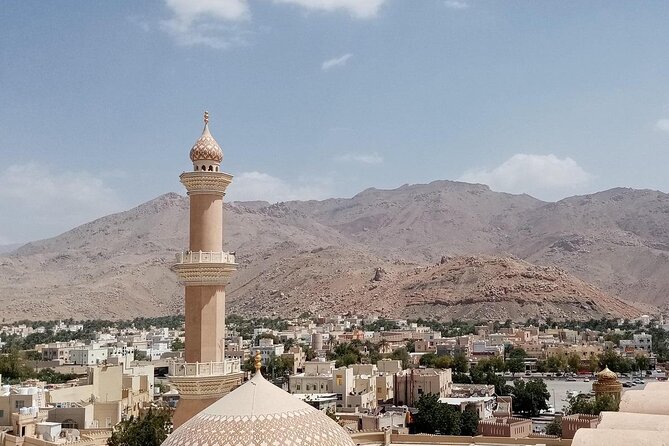
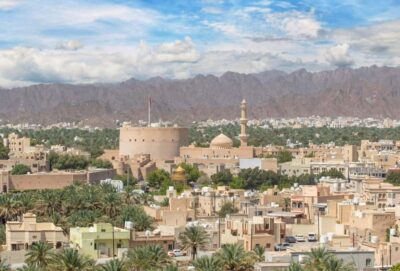
Nizwa is one of the best places in Oman to connect the country’s present-day life with its older traditions. The city has a famous souq, an imposing fort, and a water system that helped support the area for centuries. It is not just a checklist of old buildings. You see food, crafts, farming, religion, trade, and local architecture working together.
From Muscat, the tour format is practical because you do not need to arrange a rental car, navigate mountain roads, or work out how to combine distant sites. Pickup and drop-off are included, and the group is capped at 20 people. That is not a private tour, but it is small enough to remain manageable if the guide keeps the day moving.
The stated price is $80 per person. For a long day with transport, a guide, lunch, coffee, and tea included, that can be solid value. You need to add the entrance charge for Nizwa Fort and Al Hamra, so the final cost is higher than the headline price. Still, the package covers the expensive and tiring part of the day: getting from Muscat into Oman’s interior and between several widely separated sights.
More History Tours in Muscat
- From Muscat: Nizwa and Oman’s Historical Gems Tour
★ 4.7 · 403 reviews - Nizwa Heritage & Culture Full Day Tour with Audio Guiding
★ 4.3 · 213 reviews - Private Historical Tour – Nizwa Fort – Nizwa Souq – Bahla Fort – Jabreen Castle
★ 5.0 · 73 reviews
Nizwa Souq: start with the city’s everyday life
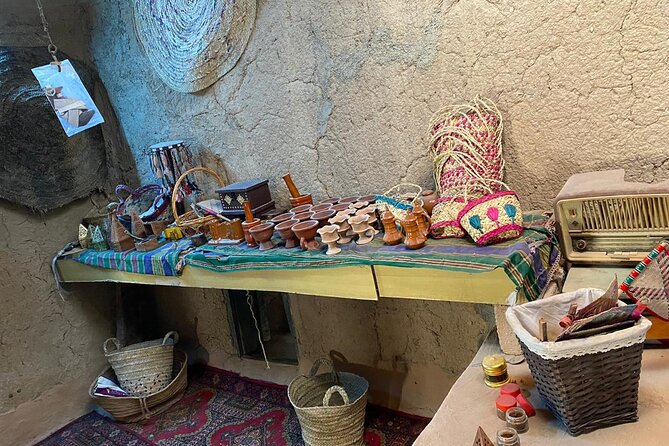
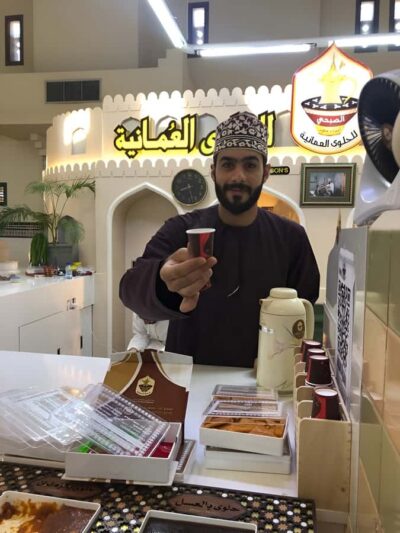
The souq is usually the most immediate introduction to Nizwa. A 30-minute visit gives you time to walk through sections selling fruit, meat, sweets, pottery, souvenirs, and antiques. You can expect a mix of practical shopping and objects aimed at visitors, so the pleasure comes from seeing both sides of the market rather than hunting for one perfect purchase.
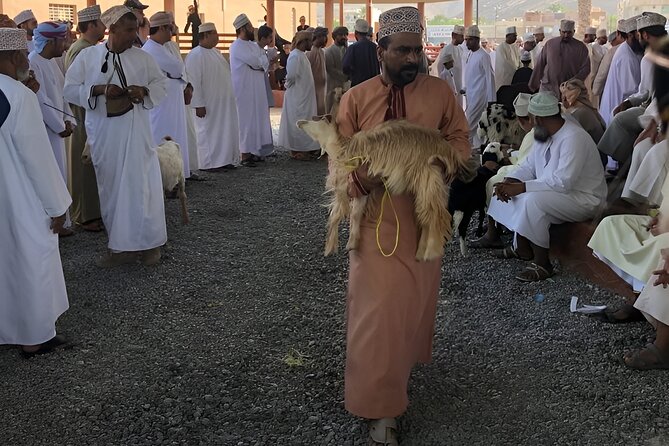
The Friday option adds the traditional livestock market. This is the most distinctive choice in the five-route menu. The market gives you a glimpse of a long-standing trading custom and tends to feel more active and specific to local life than a standard souvenir stop.
There is a tradeoff. A short market visit will not allow much unhurried browsing, and the Friday market is tied to its weekly schedule. If this is the feature you care about most, confirm that you are booking the Friday route and prepare to follow the guide’s timing closely. The attraction is the event itself, not simply the market buildings.
Nizwa Fort: climb for the view, stay for the details
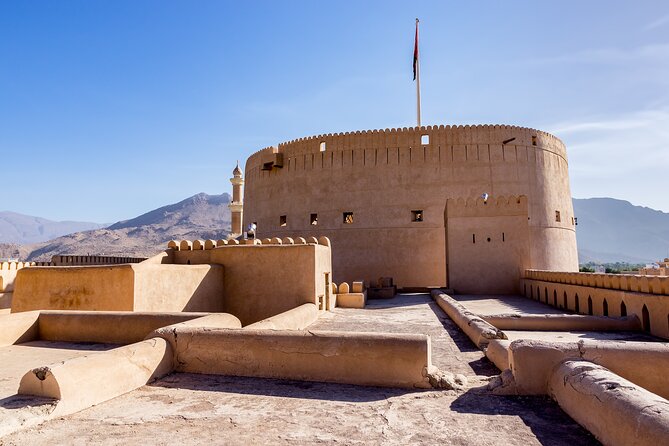
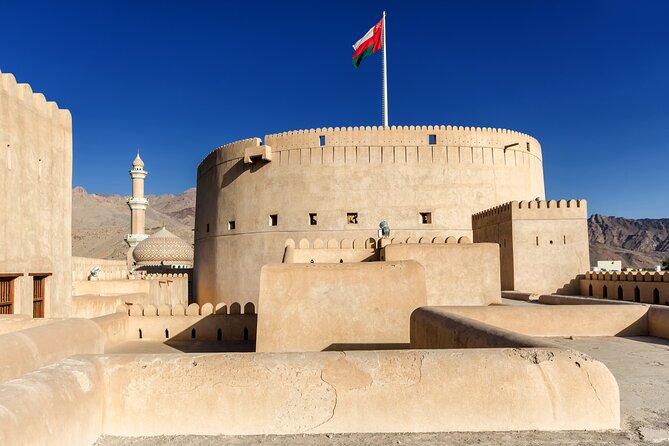
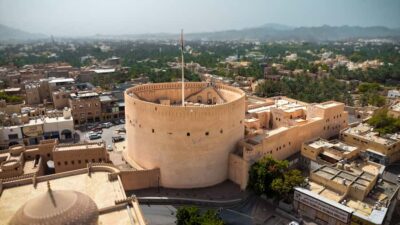
Nizwa Fort dates from the 17th century and was built during the Al Ya’rubi dynasty over the remains of a 9th-century castle. The restored structure is massive, and the one-hour visit is enough to see the main rooms without turning the day into a slow architectural study.
I would make the central tower a priority. The climb gives you wide views over Nizwa and makes clear why this was such a useful defensive position. The fort is easier to appreciate when you connect the height, thick walls, and controlled entrances with its military purpose.
Inside, displays and furnished rooms explain parts of daily and wartime life. Look for the prisoner room and the account of boiling date syrup. In a siege, local dates were not only food. They could be turned into a dangerous weapon when heated and poured from above.
The entrance fee is not included, so carry extra money for admission. That small additional cost is worthwhile for most people, particularly if you enjoy fortifications, local politics, or the practical side of Oman’s past. If you dislike stairs or have limited time, ask the guide which rooms and viewpoints deserve priority.
Falaj Daris: the water story behind Nizwa
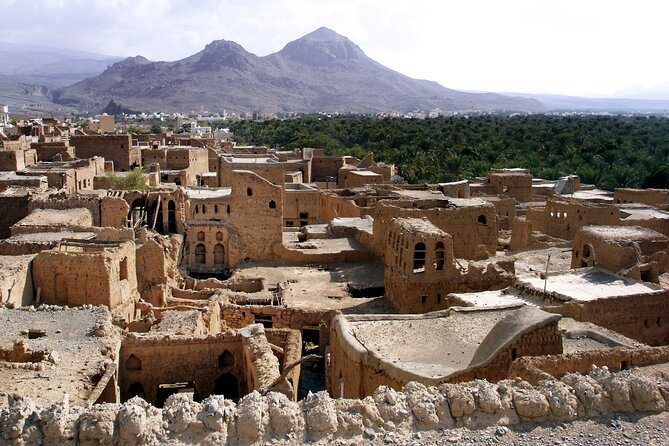
Falaj Daris is not as visually dramatic as a mountain canyon, but it helps explain why Nizwa developed where it did. It is Oman’s largest falaj, part of a group of five aflaj collectively recognized by UNESCO in 2006.
A falaj is a traditional water channel system. Nizwa once had more than 134 aflaj in its administrative area, and about 100 are still in use. That fact changes how you read the town. The fort and market are only part of the story. Water management made farming, settlement, and trade possible in an otherwise dry setting.
The stop lasts about 30 minutes and admission is included. You will not spend half a day here, but the visit gives your guide a chance to explain how water shaped local prosperity. I consider this one of the more useful stops because it adds meaning to the buildings you see elsewhere.
More forts and souqs in Muscat:
- From Muscat: Nizwa and Jebel Akhdar Tour with Lunch
★ 4.8 · 319 reviews - Nizwa Fort-Nizwa Souq-Misfah Al Arbyeen-Jebel Shams – Private Full Day Tour
★ 5.0 · 220 reviews - Full Day Private Nizwa/Jebel Akhdar
★ 5.0 · 205 reviews - Nizwa & Jabel Akhder (Sharing)
★ 5.0 · 197 reviews
Al Hamra: a personal look at traditional home life
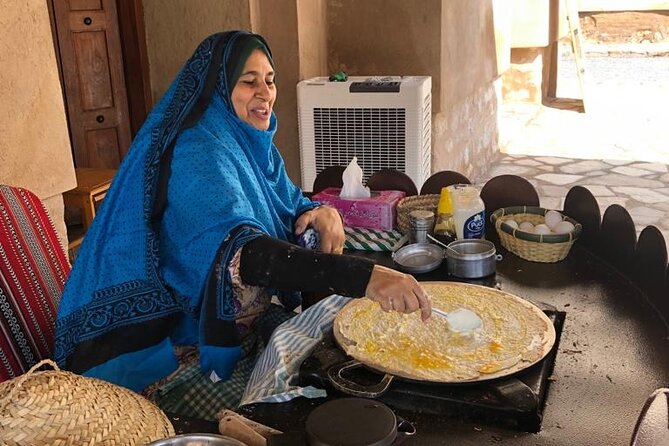
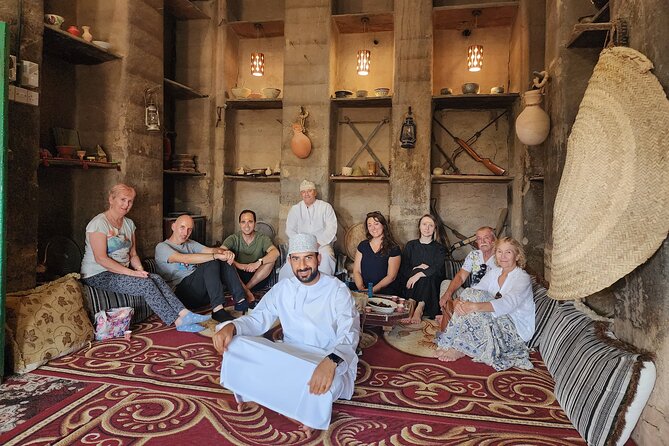
Al Hamra offers a different kind of historical experience. Instead of a formal fort or museum, you visit an old house where three local women demonstrate parts of traditional domestic life. They show how to make Omani bread, grind coffee beans, and produce juniper oil.
The visit is listed at 30 minutes, so it is a short encounter rather than an extensive village walk. You may also have the chance to wear regional clothing for photographs. Sitting in the majlis, the reception room, while drinking coffee and eating dates gives the stop a more personal feel than a display behind glass.
I like this part of the tour because it focuses on skills and hospitality rather than only grand buildings. Communication may include sign language, which can make the meeting feel informal and human, though you should not expect a long lecture in English.
Al Hamra has an extra entrance fee. The stop is best for you if you enjoy food traditions, household customs, and contact with local people. If your main interest is dramatic scenery, the Jebel Shams route may give you more of what you want.
Choose Bahla and Jabreen for forts and decorated interiors
The second route combines Nizwa with Bahla Fort and Jabreen Castle. This is the strongest choice for anyone who wants a day built around Oman’s architecture and ruling families.
Bahla Fort is UNESCO-listed, which gives it special importance among Oman’s historic sites. Jabreen is known for its decorated interiors and offers a different mood from the more defensive Nizwa and Bahla structures. You get a useful comparison: one site emphasizes protection and power, while another gives more attention to refined rooms and decoration.
The practical issue is time. Three major historic sites in one day can mean a brisk pace, especially with driving from Muscat and back. You will see more, but you may have less time to linger in individual rooms or take photographs. Pick this route if variety within historic buildings matters more to you than a relaxed mountain stop.
Choose the Oman Across Ages Museum for old and new Oman
The third option pairs Nizwa Fort with the Oman Across Ages Museum in Manah. This route is appealing if you want the fort’s physical setting but also prefer a modern museum to another old castle.
The museum is described as award-winning and interactive, with exhibits focused on Oman’s past and future. That makes it a useful counterpoint to Nizwa Fort. One site presents history through thick walls, towers, and restored rooms. The other uses modern interpretation to place Oman’s development in a wider story.
This is probably the most balanced route for first-time visitors who want both heritage and contemporary presentation. It may also suit you if heat, stairs, or repeated fort visits are a concern, though the tour still includes the Nizwa Fort visit and its admission fee is not included.
Choose Jebel Akhdar for cooler mountain air
The fourth option heads toward Jebel Akhdar after stops at Nizwa Fort and Birkat Al Mouz. The appeal here is the change in temperature and scenery. After the lowland heat and historic buildings, the mountain setting offers a different side of Oman.
Birkat Al Mouz is a village stop, giving the route a human scale before the high views of Jebel Akhdar. The mountain option suits you if you want a day that combines a major fort with open panoramas rather than several museums or castles.
The tour description does not specify a long hike, so do not book this expecting a full trekking day. It is better understood as a sightseeing trip with mountain viewpoints. Driving time also matters, and the total day can reach 10 hours. You will spend part of that time in the vehicle, but the change in setting is the reason to accept the longer route.
Choose Jebel Shams for Oman’s Grand Canyon
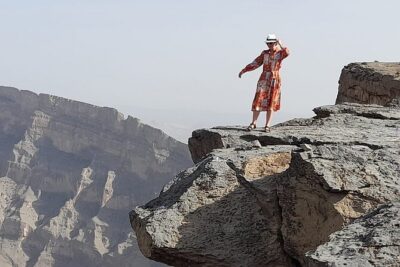
The fifth option visits Nizwa Fort, Al Hamra, and Jebel Shams, home to the Grand Canyon of Oman. This is the most dramatic choice in the group and likely the best fit if wide views matter more to you than a second fort or a modern museum.
The route has a pleasant progression. You begin with Nizwa’s urban history, move to Al Hamra’s traditional household demonstrations, then finish among the high mountain scenery of Jebel Shams. That combination gives you architecture, culture, and striking natural views in one day.
Do not confuse this with a dedicated hiking tour. The supplied details mention sightseeing at the canyon, not a scheduled trek. If you need a long walk, ask the operator what time is available at the viewpoint before booking.
Timing, transport, and group size
The experience lasts approximately 7 to 10 hours, including transfers. The difference depends on which of the five options you choose, since the mountain routes require more road time than a concentrated visit around Nizwa.
Pickup and drop-off from Muscat are included. That is a major benefit because the destinations are not close together, and a professional guide can put the sites in context while you focus on the views. The group maximum is 20 people, so expect a shared experience rather than a quiet private outing.
Time management is one of the tour’s strongest practical features. The schedule is designed to keep several stops moving in one day, which helps you see a lot without arranging separate transport. The cost is a quicker pace at some locations. You will need to listen for meeting times and return to the vehicle promptly.
Lunch, coffee, and tea are included. That makes budgeting easier and removes the need to search for food during a tightly planned day. The exact meal details are not specified, so anyone with strict dietary needs should ask before departure.
What the guide adds to the day
A good guide matters on this tour because the sites are more rewarding when you understand their purpose. The strongest praise has focused on guides who explain Oman’s people, history, and customs clearly while keeping the day friendly and well organized.
Jamal is one guide specifically praised for kindness, help, useful information, and humor. He may not be assigned to every departure, so treat his presence as something to confirm rather than a guarantee. In any case, ask your guide about the fort’s military use, the falaj system, and the meaning of the Al Hamra demonstrations. Those questions can turn a quick stop into a far more useful one.
The small-group limit helps here. With no more than 20 people, it should be easier to hear explanations and ask questions than on a large coach trip. It is still worth staying near the guide in the souq and at the fort, where it is easy to wander.
Who should book this Nizwa tour?
I would recommend it to you if you are staying in Muscat and want to see Oman’s interior without renting a car. It suits first-time visitors, couples, families, and curious sightseers who want a broad introduction rather than a single specialist attraction.
Choose the route carefully:
- Pick the Friday option for the livestock market and Al Hamra.
- Pick Bahla and Jabreen for a fort-focused day.
- Pick the Oman Across Ages Museum for modern exhibits alongside older sites.
- Pick Jebel Akhdar for mountain air and panoramic views.
- Pick Jebel Shams for the Grand Canyon of Oman.
It is less suitable if you want a private pace, a long hike, or hours of independent shopping. The day is structured, and the drive from Muscat is part of the experience. Free cancellation is available up to 24 hours before the start time. Poor weather or failure to meet the minimum number of participants can also lead to a new date, another experience, or a full refund.
Should you book it?
Book this tour if you value good coverage in one day, included transport, and a guide who can connect forts, markets, water systems, and mountain scenery. At $80, it offers fair value once you account for the long transfers, lunch, drinks, and organized route.
Before paying, decide what you most want to see. The Friday livestock market, Jabreen Castle, Oman Across Ages Museum, Jebel Akhdar, and Jebel Shams are not interchangeable. Choose one route for its main attraction, accept the extra fort and Al Hamra fees, and you should come away with a clear, varied picture of Oman beyond Muscat.
FAQ
Where does the tour begin and end?
Pickup and drop-off are offered from Muscat.
How long does the experience last?
The tour lasts approximately 7 to 10 hours, including transfer time between locations.
How much does the tour cost?
The listed price is $80 per person.
What is included in the price?
Transport, a professional guide, pickup and drop-off from Muscat, lunch, coffee, and tea are included.
Are Nizwa Fort entrance fees included?
No. The entrance fee for Nizwa Fort is not included.
Is the Al Hamra entrance fee included?
No. The entrance fee for Al Hamra is not included.
What are the five route options?
The choices are Nizwa Friday Market and Al Hamra, Nizwa with Bahla and Jabreen, Nizwa with the Oman Across Ages Museum, Nizwa with Jebel Akhdar, and Nizwa with Jebel Shams.
Is the Friday livestock market included on every departure?
No. It belongs to the Friday Market and Al Hamra option.
How many people can join the tour?
The maximum group size is 20 people.
Can I cancel for a full refund?
Yes, if you cancel at least 24 hours before the experience start time. Cancellations or changes made less than 24 hours before the start time are not refunded or accepted.
Just added in Muscat
- Wahiba Desert Safari Adventure , Swimm in Wadi Bani Khalid★ 4.5 · 2 reviews
- Wahiba Sands & Wadi Bani Khaled (Day Trip) -“Desert Safari”★ 5.0 · 1 review
- wadi shab and bimmah sinkhole tour from muscat★ 5.0 · 2 reviews
- Try scuba Diving Tours To Daymaniyat Islands.★ 5.0 · 12 reviews
- Wadi Bani Khalid – Wahiba Sands Desert – Sunset★ 4.0 · 1 review
- Wadi Shab &Bimmah Sinkhole &Heart shaped Cave &Pebble Beach★ 5.0 · 5 reviews
- Private 2-Day Guided Tour with Nizwa Friday Market Visit★ 5.0 · 2 reviews
- From Muscat Wadi Shab and Bimmah Sinkhole Tour★ 5.0 · 6 reviews
Nizwa and Omani Forts, compared.
Nizwa Fort-Nizwa Souq-Misfah Al Arbyeen-Jebel Shams – Private Full Day Tour
Read our review →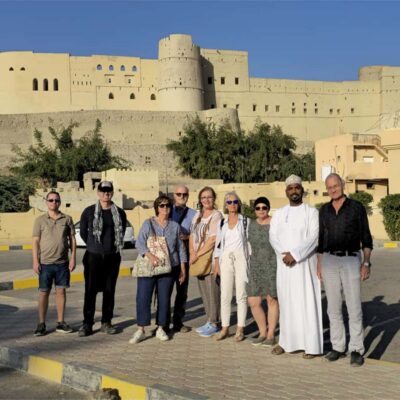
Nizwa Heritage & Culture Full Day Tour with Audio Guiding
Read our review →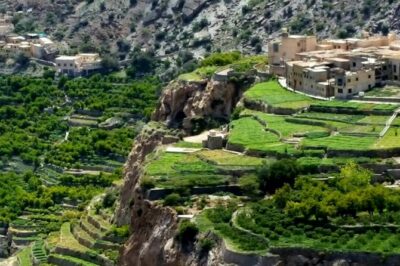
Browse the lists this tour appears in