REVIEW · FOOD
Muscat: Omani Food Tour with Shuwa & Halwa
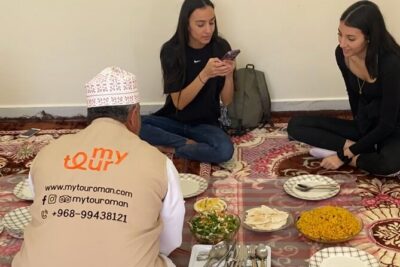
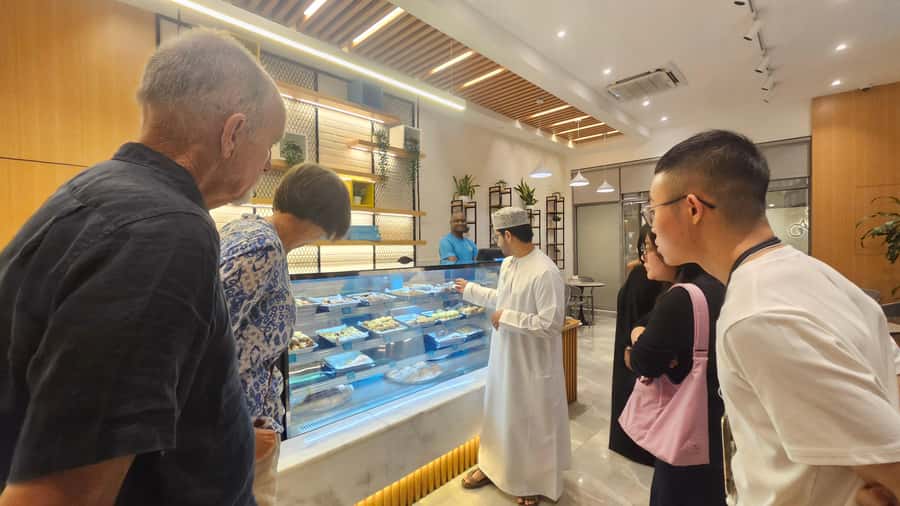
Come hungry, leave happily stuffed. This 150-minute Muscat food tour offers a useful introduction to Oman through five food stops, moving from slow-cooked Shuwa and Qabuli rice to Zanzibar snacks, Omani bread, spiced tea, Halwa, and grilled Mishkak. I like the wide range of dishes, and I like that guides such as Hisham and Yousef explain the family customs and preparation behind each bite.
The main consideration is quantity. This is not a light tasting walk. Portions are generous, the stops come close together, and some people found the evening ran longer than the advertised time because the group ate and chatted at an easy pace. People with food allergies should also avoid this tour, as the activity is specifically marked unsuitable for them.
The small group of up to six makes the outing feel personal, while hotel pickup and drop-off remove the hassle of finding local food spots on your first night. At $77 per person, the tour is not the cheapest way to eat in Muscat, but it offers transportation, several meals, cultural explanation, and a guide who can help you understand what to order for the rest of your trip.
In This Review
- Key points at a glance
- Why this food tour works well on your first night
- Stop one: underground-cooked Shuwa and Qabuli rice
- East African snacks from Oman’s Zanzibar links
- Omani bread with sweet and savory toppings
- Ginger tea, karak, and coffee with rose water
- Omani Halwa, a sweet ending with plenty of texture
- Final stop: grilled Mishkak with tamarind-like sauce
- Five stops, a comfortable car, and a small group
- Is $77 a fair price?
- Who should book this Muscat food experience?
- Should you book it?
- FAQ
- How long does the Omani food tour last?
- How much does the tour cost?
- Is hotel pickup and drop-off included?
- What if my hotel is outside the pickup area?
- What food is included?
- Can vegetarian food be provided?
- Is the tour suitable for people with food allergies?
- Is the tour wheelchair accessible?
Key points at a glance
- Shuwa is the centerpiece: Try meat or chicken prepared in a traditional underground cooking method and served with spiced Qabuli rice.
- Five stops bring variety: The food moves from Omani staples to East African snacks, bread, tea, sweets, and grilled Mishkak.
- Guides add family stories: Hisham, Yousef, Yusuf, Hanieh, Amin, and other guides explain preparation, customs, and the place of food in Omani life.
- Hotel pickup is included: You are collected and returned to your accommodation, subject to the pickup area.
- Expect a full meal: The food is plentiful, so eat lightly beforehand and arrive with a serious appetite.
- Vegetarian substitutions are possible: Meat or chicken can be replaced with fish or salad, but people with food allergies should not book.
Why this food tour works well on your first night
I think the best use of this tour is at the beginning of a Muscat stay. You are introduced to dishes you might not recognize on a menu, shown how they are prepared, and given enough context to make better food choices later.
The tour also gives you a quick sense of Oman beyond its main sights. Several people enjoyed the drives between stops because guides used that time to answer questions about daily life, customs, and local culture. One guide even made a short detour to show a mosque, while another group saw parts of Muscat they would not have found alone.
That does not turn the outing into a sightseeing tour. Food remains the focus. Still, the combination is useful if you have only a short time in the city or want an easy introduction before exploring independently.
The five-stop format keeps the evening moving. You are not sitting in one restaurant for two and a half hours. Instead, each place introduces a different part of Omani food culture, with short journeys between them and explanations from the guide.
More food tours in Muscat:
- Jabal Shams Food Tour
★ 5.0 · 5 reviews - Historical Salalah City Tour with Culture, Food & Shopping
★ 4.6 · 20 reviews
Stop one: underground-cooked Shuwa and Qabuli rice
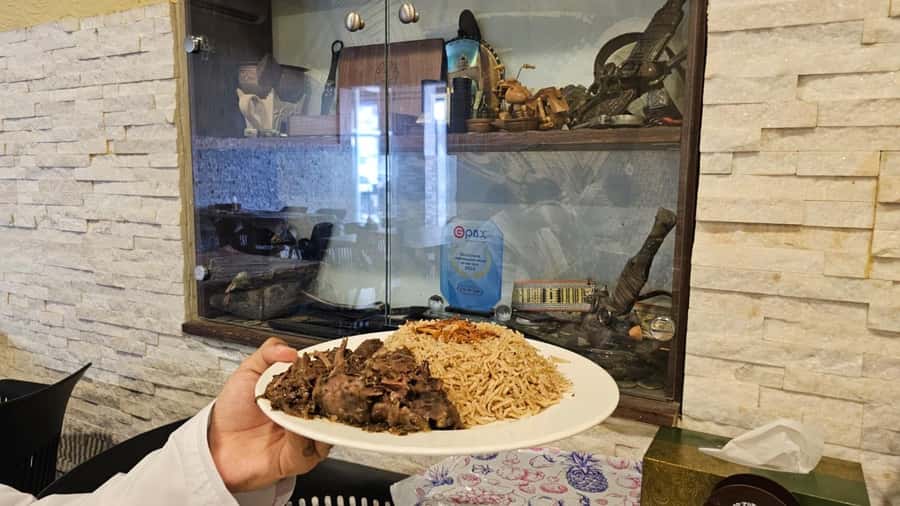
The first major dish is Shuwa, one of Oman’s best-known celebratory foods. Meat or chicken is wrapped in banana leaves and spices, then cooked underground for roughly eight to 24 hours. The description also refers to the meat being fermented for more than 40 days, a detail that helps explain why this is a special preparation rather than an everyday quick meal.
Expect tender, strongly seasoned meat with a slow-cooked character. It is served with Qabuli, rice prepared with meat spices. This pairing gives you the main meal early in the experience, so pace yourself if you want to try everything that follows.
The guide may show short videos explaining how the dish is made, including preparation connected with family celebrations. That extra visual context matters because the cooking method is hard to understand from a plate alone. You are not simply told that the meat is cooked underground. You see how the tradition fits into Omani family life.
Shuwa is likely to be the dish you remember most, but it may not suit every palate. The meat is seasoned rather than mild, and the tour does not appear designed around small, delicate portions. If you prefer grazing, take modest helpings at the beginning.
East African snacks from Oman’s Zanzibar links
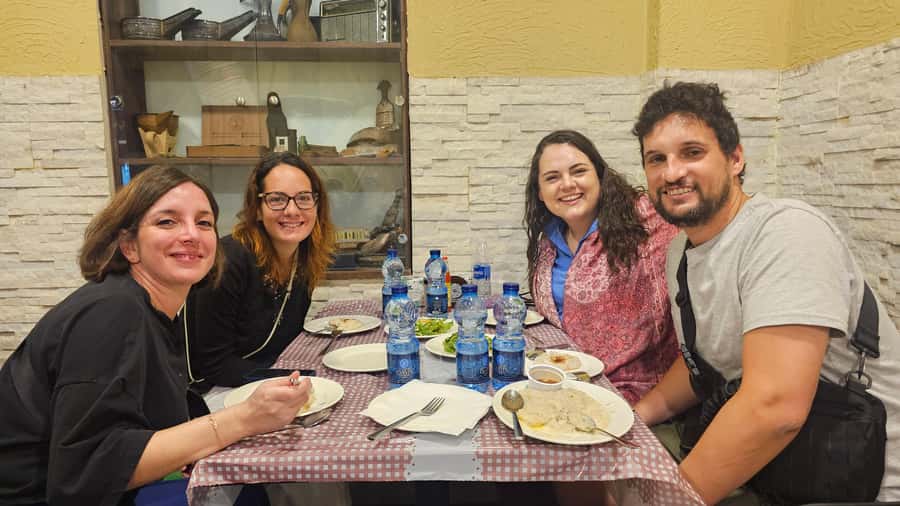
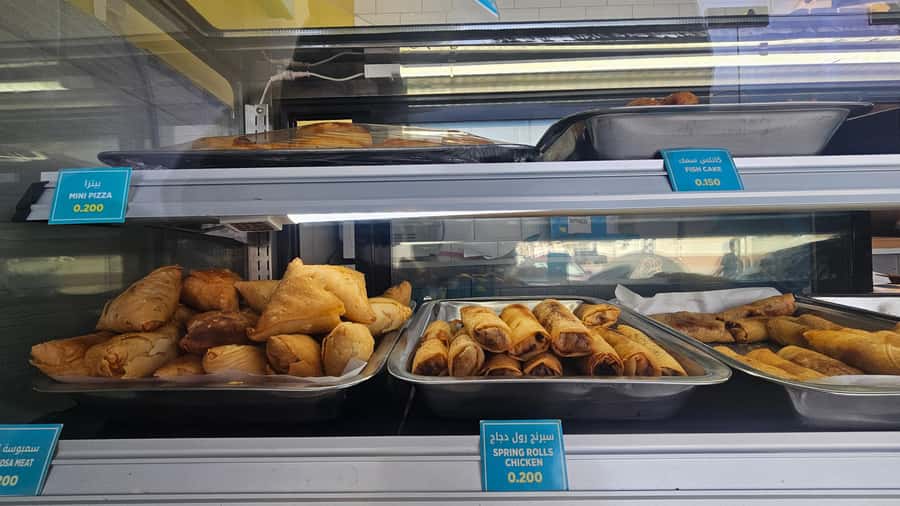
The next stop brings a different influence. Oman has longstanding connections with East Africa, especially Zanzibar, and that connection appears on the plate through samosas, mandazi, kachori, and katlisi.
These are light meals, but do not read light as tiny. They add fried, savory, and sometimes sweet notes after the main Shuwa course. Their presence also gives the tour more range than a simple list of local staples.
I find this part especially useful because it shows that Omani food is shaped by movement across the Indian Ocean. You get a taste of how trade, family ties, and migration affect what people cook and eat. It is a cultural lesson delivered in snack form, which is usually the best kind.
If you have never tried these foods, ask the guide to explain the differences as they are served. Hisham and Yousef are repeatedly praised for explaining ingredients, origins, and preparation in a friendly way. The exact selection may vary, but the listed East African snacks are part of the planned experience.
Omani bread with sweet and savory toppings
The bread stop provides a change of pace. You try slices of Omani bread with several possible flavors, including cheese, honey, date juice, eggs, potatoes, and thyme.
This is one of the more flexible parts of the meal. The toppings range from savory to sweet, so you can compare how the same bread works in different combinations. Cheese and eggs offer familiar starting points, while date juice, honey, and thyme give the tasting a more local character.
The bread also helps explain the everyday side of Omani eating. Shuwa may be tied to special occasions, but bread with simple toppings feels closer to the kind of food you might seek out casually during a stay.
Portion control becomes important here. You may want to try every flavor, but the tour still has tea, Halwa, and Mishkak ahead. Sharing slices within the group can help you sample more without filling up too early.
A completely different kind of day:
- Muscat: Daymaniat Islands Snorkeling Trip with Brunch
★ 4.7 · 2,317 reviews - From Muscat: Wadi Shab & Bimmah Sinkhole Full-Day Tour
★ 4.8 · 1,862 reviews - Muscat: Wahiba Desert and Wadi Bani Khalid Guided Group Tour
★ 4.8 · 820 reviews - Muscat: Half-Day Sightseeing Essentials Tour and Audio Guide
★ 4.2 · 598 reviews
Ginger tea, karak, and coffee with rose water
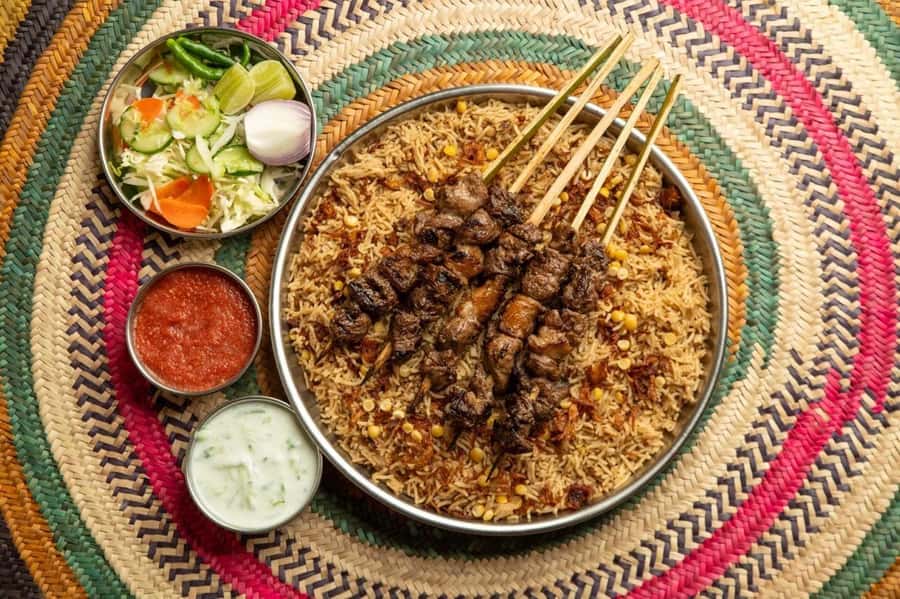
Drinks are not an afterthought. The tour includes tea mixed with spices such as ginger, saffron, cardamom, cinnamon, and milk. Several people also especially enjoyed karak tea, including the local habit of ordering and drinking it in the car.
This small detail gives the experience a lived-in quality. You are not only sitting at formal food stops. You are also seeing how a popular drink fits into an ordinary evening in Muscat.
Coffee is served with Omani Halwa. The coffee includes rose water, which gives it a floral note, while the tea leans toward warming spice. If you usually drink coffee black or prefer mild tea, these flavors may be new to you.
Fresh juices are not included, so budget separately if you want one. Water and other drink details are not specified, so do not assume that extra beverages are covered in the $77 price.
Omani Halwa, a sweet ending with plenty of texture
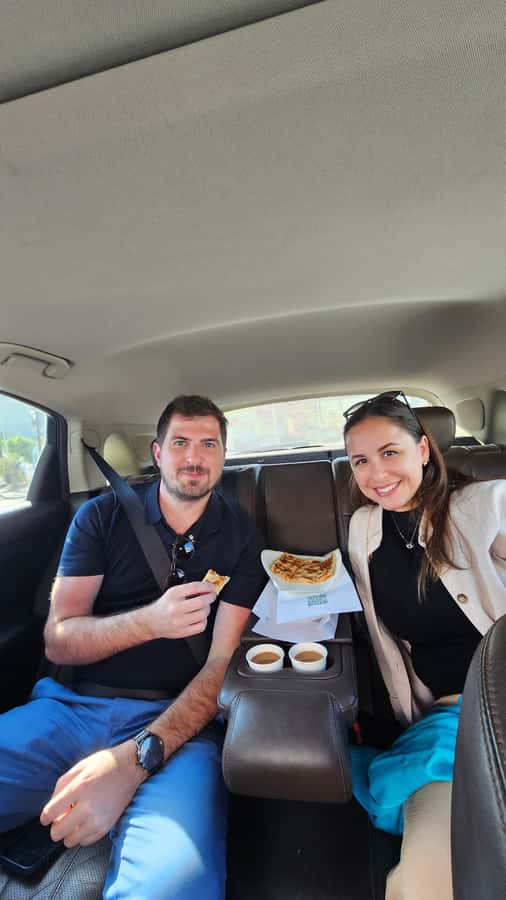
Halwa is a traditional Omani sweet made with ingredients that can include nuts, honey, saffron, ghee, and cardamom, along with secret additions. It is served with coffee, creating one of the most recognizable Omani food pairings.
Expect a dense, sweet treat rather than a delicate pastry. The nuts provide texture, while saffron and cardamom add perfume and spice. Ghee and honey make it filling, especially after the earlier courses.
I like that Halwa comes after the savory foods. You can understand it as part of Omani hospitality, not just as a dessert added to finish a restaurant meal. The guide’s explanation helps connect the dish with social customs and serving traditions.
This is another point where you should pace yourself. The halwa is satisfying in a small portion, and there is still grilled food to come. If you are sensitive to very sweet desserts, try a little first.
Final stop: grilled Mishkak with tamarind-like sauce
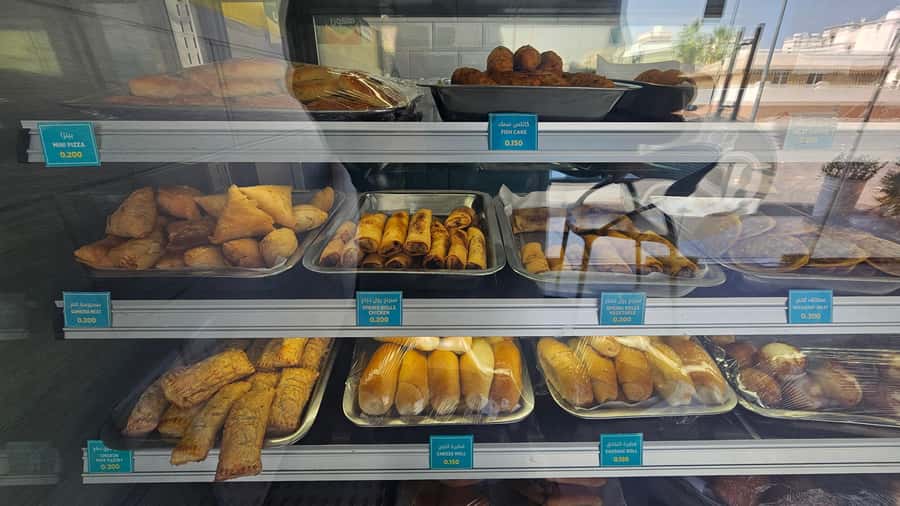
Mishkak closes the food sequence with grilled pieces of meat, chicken, or squid. The skewers are served with a tamarind-like sauce and traditional Omani spices.
After the soft Shuwa, the grilled Mishkak gives you a firmer texture and a smokier taste. It is a good final course because it feels like street food, while the earlier dishes have covered home cooking, snacks, bread, and sweets.
The option of squid adds useful variety, but the exact protein available may depend on the stop. If you do not eat meat or chicken, fish or salad can replace them according to the tour information. Ask for the substitution when booking or before the meal begins, rather than waiting until the skewers arrive.
By this point, you will probably understand the repeated advice to arrive hungry. The tour is generous, and the food is not limited to a few decorative samples.
Five stops, a comfortable car, and a small group
The tour includes hotel pickup and drop-off, with an English-speaking guide. You wait in your hotel lobby, then travel between the food locations in a vehicle that several people found clean and comfortable.
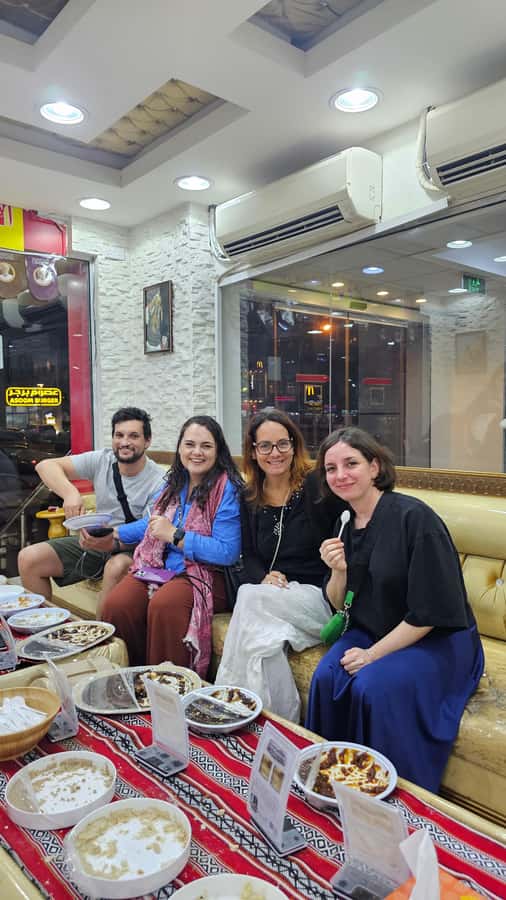
The group is limited to six. That number is large enough for conversation but small enough for the guide to answer questions and adjust the pace. Solo visitors can join other people without being placed in a huge bus group, and couples or families get a more social evening.
The guide lineup can vary. Hisham and Yousef receive particularly warm praise for their friendliness, explanations, and willingness to answer questions beyond food. Other named guides include Yusuf, Yusef, Hanieh, and Amin. The common thread is a personal approach, with guides sharing food stories and, in some cases, family videos about preparation.
The tour lasts 150 minutes, but allow extra time. A relaxed group may take longer to eat, talk, and move between stops. That is not necessarily a fault, but it matters if you have a fixed dinner reservation or an evening flight.
Pickup is not available from every hotel. If your accommodation is outside the service area or is not listed, choose the Royal Opera House as the meeting point and make your own way there. The activity is wheelchair accessible, but you should still confirm that your specific pickup and stop arrangements work for your needs.
Pets, smoking, and alcoholic drinks in the vehicle are not allowed.
Is $77 a fair price?
At $77 per person, this tour costs more than simply ordering one Omani meal at a local restaurant. The value comes from what is bundled into the evening: transport, five food experiences, a guide, cultural explanation, and enough food to replace dinner for most people.
I would compare it with the cost of arranging your own transport to several places, ordering unfamiliar dishes without help, and possibly missing foods that are not obvious to first-time visitors. The guide also gives you practical food knowledge you can use later in Oman.
The price is easiest to justify if you are new to Muscat, traveling alone, or have limited time. It is less compelling if you already know Omani cuisine, have a rental car, and enjoy researching local restaurants on your own.
Since fresh juices and personal expenses are excluded, bring a little extra money. The tour’s food inclusions are clearly defined, but additional drinks are your responsibility.
Who should book this Muscat food experience?
I would recommend it to first-time visitors who want a broad introduction without spending days learning the city’s food scene. It also suits solo visitors who want company, couples who enjoy tasting several dishes, and anyone who likes cultural explanation alongside a meal.
It is a strong choice for people who value conversation. Guides often discuss Oman’s customs, family celebrations, history, and daily routines, not only recipes. You may also receive useful suggestions for the rest of your trip.
The tour is less suitable for anyone with food allergies, very restrictive dietary needs, or a small appetite. Vegetarian substitutions are available through fish or salad, but the planned menu is built around meat, chicken, sweets, bread, and spiced drinks.
Book it early in your stay if you want the information to help with later meals. Book it later if you prefer to explore independently first and use the evening as a final food sampling.
Should you book it?
Yes, if you want a filling, social introduction to Omani food and do not want to plan several stops yourself. The combination of Shuwa, Halwa, Zanzibar snacks, Omani bread, spiced tea, and Mishkak gives you a broad taste of Muscat in one evening.
I would book with three expectations: arrive very hungry, allow more than 150 minutes if the group is relaxed, and confirm your pickup point and dietary needs. At $77, the tour earns its price through variety, transport, and the guides’ personal cultural explanations. It is not a quick snack crawl, but it is a practical first look at how Oman eats and welcomes people.
FAQ
How long does the Omani food tour last?
The scheduled duration is 150 minutes, or two and a half hours. The outing may run longer if the group eats and chats slowly.
How much does the tour cost?
The price is $77 per person.
Is hotel pickup and drop-off included?
Yes. Pickup and drop-off at your accommodation are included if your hotel is within the service area.
What if my hotel is outside the pickup area?
Choose the Royal Opera House as the meeting point and arrive there independently.
What food is included?
The tour includes Omani Shuwa, Qabuli rice, Omani Halwa with coffee, East African snacks, Omani bread with different flavors, spiced tea, and Mishkak.
Can vegetarian food be provided?
You can replace meat or chicken with fish or salad. The listed menu is otherwise focused mainly on meat, chicken, seafood, bread, snacks, and sweets.
Is the tour suitable for people with food allergies?
No. The activity is marked as unsuitable for people with food allergies.
Is the tour wheelchair accessible?
Yes, the activity is listed as wheelchair accessible. You should still confirm that your pickup location and particular needs can be accommodated.
Just added in Muscat
- Wahiba Desert Safari Adventure , Swimm in Wadi Bani Khalid★ 4.5 · 2 reviews
- Wahiba Sands & Wadi Bani Khaled (Day Trip) -“Desert Safari”★ 5.0 · 1 review
- wadi shab and bimmah sinkhole tour from muscat★ 5.0 · 2 reviews
- Try scuba Diving Tours To Daymaniyat Islands.★ 5.0 · 12 reviews
- Wadi Bani Khalid – Wahiba Sands Desert – Sunset★ 4.0 · 1 review
- Wadi Shab &Bimmah Sinkhole &Heart shaped Cave &Pebble Beach★ 5.0 · 5 reviews
- Private 2-Day Guided Tour with Nizwa Friday Market Visit★ 5.0 · 2 reviews
- From Muscat Wadi Shab and Bimmah Sinkhole Tour★ 5.0 · 6 reviews
Food, compared.

Historical Salalah City Tour with Culture, Food & Shopping
Read our review →