
REVIEW · MUSCAT
Fanja: Discovering a Secret Treasure
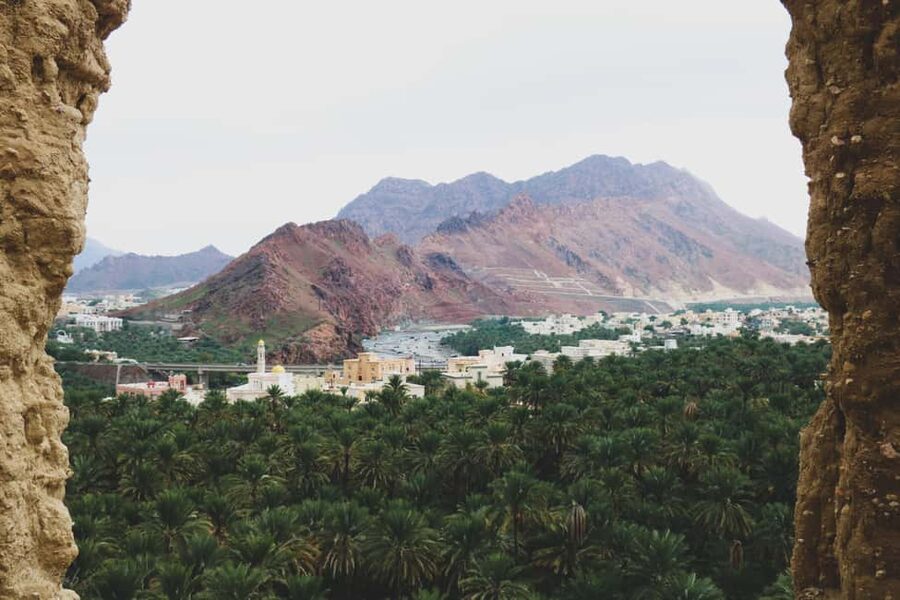
History lives in the streets here. Fanja offers a close look at Omani life, with old houses, mountain views, date palms, markets, forts, and water channels packed into one cultural outing. I like that the experience focuses on an actual town rather than a polished tourist attraction.
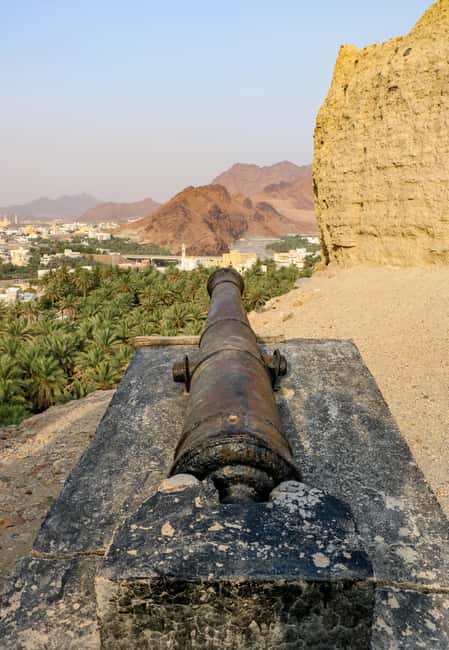
I especially like the walk through Harat Fanja, where ancient towers, cannons, old homes, and views over the palm oasis bring the past into clear view. The souq and produce market are another strong point, giving you a look at everyday trade and local products. The main consideration is access: this tour is not suitable for pregnant women or wheelchair users, and walking through old streets may require steady footing.
In This Review
- Key points to know before you book
- Why Fanja makes a good change from Oman’s famous sights
- Beginning at the souq with Omani goods
- The fish, fruit, and vegetable market
- Walking through Harat Fanja’s old quarter
- Following the hot water through Fanja’s channels
- Ending at Fanja Heritage House
- What the $150 price really covers
- Who will enjoy this Fanja experience most
- Practical advice before you go
- Should you book Fanja: Discovering a Secret Treasure?
- FAQ
- Where does the Fanja tour take place?
- How much does the tour cost?
- What is included in the price?
- Is the tour offered in English?
- Can I reserve the tour and pay later?
- What markets will I visit?
- What can I see in Harat Fanja?
- Is there a hot spring visit?
- What is at Fanja Heritage House?
- Who should not book this experience?
Key points to know before you book
- Start at Fanja’s traditional souq: Shop for Omani products from different parts of the country and get an early taste of local culture.
- Visit the town’s everyday markets: The fish, fruit, and vegetable market shows Fanja at work, not just on display.
- Walk through Harat Fanja: See old homes, towers, cannons, palm trees, and mountain views in the historic center.
- Rest beside a natural hot spring: The spring sits on Fanja’s eastern side, where warm water runs through the local channel system.
- Finish at Fanja Heritage House: Your ticket includes entry to a cultural site with a restaurant, museum, mini-zoo, and inn.
- Pay $150 per person: Transportation, water, and the Heritage House entry fee are included.
Why Fanja makes a good change from Oman’s famous sights
Fanja sits in Oman’s Ad Dakhiliyah Governorate, surrounded by mountains and shaped by its palm oasis. The town gives you a more local view of the country, with daily markets and older residential quarters taking center stage.
You are not simply moving from one photo stop to another. The route links food, trade, water, farming, architecture, and family traditions. That connection matters. It helps you see why a town like Fanja grew where it did and how people made life work in a dry region.
The experience is also a good choice if you want culture without spending the day in a major city or at a famous fort. Fanja’s appeal is quieter. Its old streets and white houses sit beneath the mountains, while palm trees mark the areas supported by the local water system.
At $150 per person, this is not a budget walk. The price makes more sense if you value private transportation, a guide who can explain what you are seeing, and admission to Fanja Heritage House. If you only want a quick look at the town, the cost may feel high. If you want several connected stops with transport arranged, the package is easier to justify.
The tour is offered in English. The available information does not state the duration, group size, or exact pickup arrangements, so I would confirm those points before paying.
Other trips worth a look in Oman:
- Muscat: Daymaniat Islands Snorkeling Trip with Brunch
★ 4.7 · 2,317 reviews - From Muscat: Wadi Shab & Bimmah Sinkhole Full-Day Tour
★ 4.8 · 1,862 reviews - Muscat: Wahiba Desert and Wadi Bani Khalid Guided Group Tour
★ 4.8 · 820 reviews
Beginning at the souq with Omani goods
The traditional souq is a sensible starting point. You begin with products from across Oman, rather than jumping straight into old buildings without context. The market gives you a first sense of the country’s regional traditions and the kinds of goods that move through local communities.
This is a useful place to slow down. You can look at the products, ask your guide questions, and begin to understand how Fanja connects with other parts of Oman. The souq is not described as a large shopping center, and that is part of its value. It introduces local commerce in a more personal setting.
I would keep your expectations practical. This is a cultural stop, not a promise of a major shopping spree. You may find things you want to buy, but the main purpose is to see how local products and traditions appear in daily life.
Because transportation is included, you do not need to arrange your own way between the market and the other sites. Water is also provided, a small but welcome inclusion when you are walking outdoors in Oman.
The fish, fruit, and vegetable market
The next stop shifts from traditional goods to the daily food trade. The fish, fruit, and vegetable market offers a direct view of how people shop and sell in Fanja.
This part may appeal most to you if you prefer ordinary local scenes over formal displays. A market tells you about a place through color, smell, conversation, and routine. Even a short visit can show how the town feeds itself and what products matter to the community.
The market also gives the tour a useful rhythm. You move from crafted and regional products to food that supports everyday life. That makes Fanja feel like a living town, not an old settlement preserved only for sightseeing.
Market conditions can vary, and the experience may be more interesting to some people than others. If you prefer museums and monuments, this stop could feel less important. I would treat it as a chance to watch local life rather than as a formal attraction with a set display.
Walking through Harat Fanja’s old quarter
Harat Fanja is the historic heart of the experience. This is where you walk through old houses and see ancient towers and cannons. The quarter also hosts local Eid celebrations, giving it a continuing cultural role rather than making it only a reminder of the past.
The old homes are important because they show how people organized a traditional Omani settlement. You get a sense of the close streets and defensive features that shaped the quarter. The towers and cannons add a military side to the visit, while the houses bring the story back to ordinary family life.
You will also have views toward the palm oasis, white houses, and mountains. These details work together to show the relationship between settlement and water. The palms are not simply decoration. They point to the farming system that has allowed greenery to exist in this dry setting.
A guide is especially useful here. Without explanation, an old tower can look like another stone structure. With context, you can understand why the quarter matters, how it is used during Eid, and how the village fits into the wider area.
The walk is one of the tour’s main strengths, but it is also where the access warning matters most. The tour is not suitable for wheelchair users, and pregnant women are advised not to book. The available details do not describe the exact ground surface, number of steps, or walking distance, so ask the provider if you have mobility concerns.
A completely different kind of day:
- Muscat: Half-Day Sightseeing Essentials Tour and Audio Guide
★ 4.2 · 598 reviews - Khasab: Half-Day Dhow Cruise, Dolphin Watching, & Snorkeling
★ 4.9 · 507 reviews - Muscat: Wadi Bani Khalid Oasis & Oman Desert Tour
★ 4.8 · 434 reviews - Muscat: Daymaniat Islands Snorkeling Tour with Refreshments
★ 4.7 · 426 reviews
Following the hot water through Fanja’s channels
After the walk, you can rest your feet in the natural hot spring on the eastern side of Fanja. This gives the tour a welcome change of pace after the old quarter.
The spring is tied to a larger water system. Warm water from the mountain trickles through long channels before reaching palms and other greenery. That detail makes this more than a simple stop for soaking your feet. It shows how water is guided through the town and used to support life.
I like this part because it brings together nature and local engineering in a simple, visible way. You do not need a long lecture to understand the basic idea. Follow the water, look at the greenery, and you can see how the system connects the mountain to the oasis.
Do not assume this is a full spa visit. The information promises an opportunity to soothe your feet in the natural hot spring, not swimming facilities or a long bathing session. Bring sensible clothing and keep your expectations modest. The exact water temperature and facilities are not provided.
This stop may be especially pleasant after walking, but it also reinforces the need for care. Natural water areas can have uneven access, and the tour’s general mobility restrictions should be taken seriously.
Ending at Fanja Heritage House
The final stop is Fanja Heritage House, which combines several attractions in one place. Your admission ticket is included, and the site contains a restaurant, museum, mini-zoo, and inn.
That mix gives the tour a broader finish. The museum continues the cultural side of the day, while the restaurant adds a place to pause. The mini-zoo offers another kind of interest, especially if you are traveling with family, although the available information does not specify which animals are there.
The Heritage House is described as a cultural hub rather than a single monument. That makes it a useful final stop because it gathers food, local history, hospitality, and family-friendly features under one roof. It also gives you a different setting after the open-air streets and palm oasis.
Since the ticket is included, you do not have to decide at the door whether the extra stop is worth paying for. That improves the value of the package, especially if you enjoy seeing more than one side of a place.
Still, you should not book this tour only for the Heritage House. The strongest parts of the outing are the combination of the old quarter, the market visits, and the water system. The Heritage House works best as a concluding piece.
What the $150 price really covers
The cost is $150 per person. Included are transportation, water, and the entrance fees for Fanja Heritage House.
That price buys convenience as much as admission. You do not need to work out transport between the souq, markets, Harat Fanja, the hot spring, and the Heritage House. You also have an English-speaking guide to explain the setting and connect the stops.
The value depends on how you usually travel. If you are comfortable arranging local transport and exploring with little explanation, $150 may be more than you want to spend. If you prefer a planned route and want cultural background as you go, the price becomes more reasonable.
The tour also covers several types of experience in one outing:
- Local shopping and food markets
- Historic homes, towers, and cannons
- Palm farming and water channels
- A natural hot spring
- A museum and Heritage House visit
That variety reduces the risk of the day feeling repetitive. You are not spending the whole time looking at similar ruins. Each stop presents a different part of Fanja.
The listing does not provide the tour duration, group size, meal inclusion, or pickup details. Since the Heritage House has a restaurant, do not assume a meal is part of the $150 price. Ask before booking if food matters to your plans.
Who will enjoy this Fanja experience most
I would recommend this tour to you if you want a closer look at Omani culture and prefer smaller local places to standard sightseeing routes. It suits people who enjoy markets, historic neighborhoods, old houses, and practical stories about water and farming.
It should also work well for anyone who likes variety. In one outing, you visit a souq, a food market, an old quarter, a natural spring, and a cultural center. That gives you plenty to see without relying on one headline attraction.
Families may appreciate the Heritage House’s mini-zoo and restaurant, though the lack of further details means you should check what is available before promising children a particular activity.
You may want to skip it if you have limited mobility, are pregnant, or dislike walking through old streets. It may also be a poor match if your main goal is a long swim, a formal museum visit, or a shopping-focused day. The experience is about the town as a whole.
The guide seems to be an important part of the value. The tour depends on explanations about Fanja’s buildings, Eid traditions, markets, and water system. If you book, make sure you are comfortable with an English-language tour.
Practical advice before you go
Wear comfortable shoes suitable for walking through an old village. The exact route and ground conditions are not listed, but the experience includes a walk through Harat Fanja and time outdoors.
Carry a respectful, modest approach to dress and behavior. You will be visiting markets, homes, religiously influenced cultural spaces, and a town where local life continues around the historic sites.
Use the supplied water, especially during the walking sections. The tour does not state how much walking is involved or how long the day lasts, so it is sensible to ask for those details in advance.
Alcohol and drugs are not allowed. The experience is not suitable for pregnant women or wheelchair users.
You can reserve now and pay later, which keeps your plans flexible. Cancellation is allowed up to 24 hours in advance for a full refund. That is useful if your Oman schedule is still changing.
Should you book Fanja: Discovering a Secret Treasure?
Book this if you want an English-language cultural outing that shows ordinary Fanja alongside its old quarter. The best reason to go is the way the stops connect: markets show daily life, Harat Fanja shows the past, the channels explain the oasis, and the Heritage House adds a final cultural visit.
At $150 per person, it is best for you if transportation and guiding are worth paying for. I would ask about the duration, pickup point, group size, walking surface, and whether food at the Heritage House costs extra before confirming.
If you want an authentic-feeling town visit with mountain views, white houses, palm trees, and a guide who can make sense of the details, Fanja is a strong choice. If you need wheelchair access or want a low-cost, independent wander, choose another outing.
FAQ
Where does the Fanja tour take place?
The experience takes place in Fanja, in Oman’s Ad Dakhiliyah Governorate.
How much does the tour cost?
The price is $150 per person.
What is included in the price?
Transportation, water, and the ticket fees for Fanja Heritage House are included.
Is the tour offered in English?
Yes. English is the listed tour language.
Can I reserve the tour and pay later?
Yes. You can reserve your spot and pay nothing today.
What markets will I visit?
You will visit a traditional souq, followed by a fish, fruit, and vegetable market.
What can I see in Harat Fanja?
You can walk through old houses, see ancient towers and cannons, and look toward the palm oasis.
Is there a hot spring visit?
Yes. You will have the opportunity to soothe your feet in a natural hot spring on the eastern side of Fanja.
What is at Fanja Heritage House?
Fanja Heritage House includes a restaurant, museum, mini-zoo, and inn.
Who should not book this experience?
The tour is not suitable for pregnant women or wheelchair users. Alcohol and drugs are not allowed.
Just added in Oman
- Wahiba Desert Safari Adventure , Swimm in Wadi Bani Khalid★ 4.5 · 2 reviews
- Wahiba Sands and Wadi Bani Khalid Full-Day Tour from Muscat★ 4.6 · 3 reviews
- Wadi Shab & Wadi Tiwi : Guided Adventure (Customer Own Car)★ 5.0 · 6 reviews
- Wahiba Sands & Wadi Bani Khaled (Day Trip) -“Desert Safari”★ 5.0 · 1 review
- Wadi Shab tour★ 5.0 · 1 review
- wadi shab and bimmah sinkhole tour from muscat★ 5.0 · 2 reviews
- Wadi Shab, Desert safari and The historical city of Nizwa★ 5.0 · 2 reviews
- Try scuba Diving Tours To Daymaniyat Islands.★ 5.0 · 12 reviews